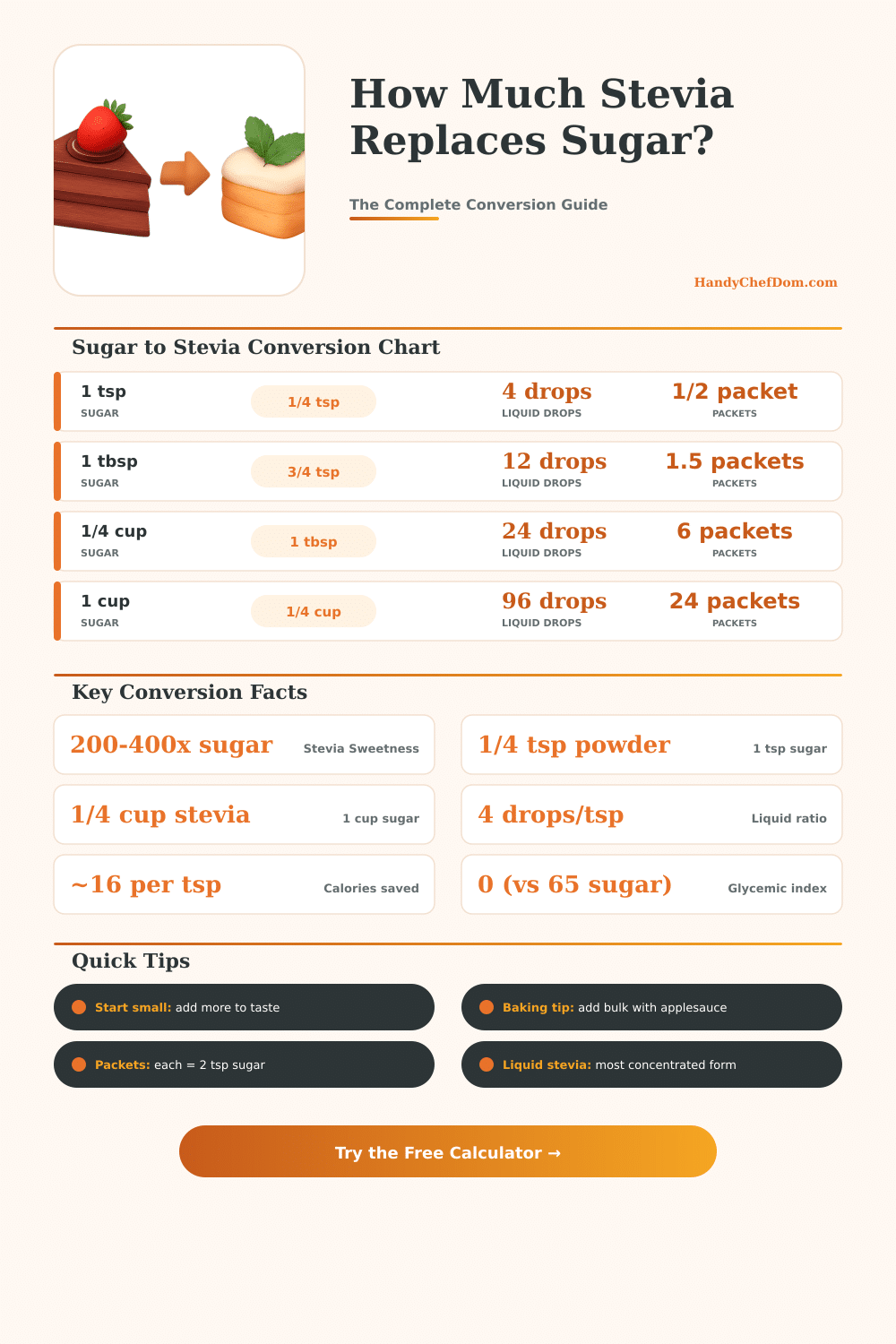
🌿 Sugar to Stevia Conversion Calculator
Instantly convert any sugar amount to stevia powder, liquid drops, or packets
| Sugar Amount | Sugar (grams) | Stevia Powder | Liquid Drops | Packets | Baking Blend |
|---|---|---|---|---|---|
| 1/4 tsp | 1g | 1 pinch (~1/16 tsp) | 1 drop | 1/8 packet | 1/4 tsp |
| 1/2 tsp | 2g | 1/16 tsp | 2 drops | 1/4 packet | 1/2 tsp |
| 1 tsp | 4g | 1/4 tsp | 4 drops | 1/2 packet | 1 tsp |
| 1 tbsp | 12g | 3/4 tsp | 12 drops | 1.5 packets | 1 tbsp |
| 2 tbsp | 25g | 1.5 tsp | 24 drops | 3 packets | 2 tbsp |
| 1/4 cup | 50g | 1 tbsp | 24 drops | 6 packets | 2 tbsp |
| 1/3 cup | 67g | 1 tbsp + 1 tsp | 32 drops | 8 packets | 2.5 tbsp |
| 1/2 cup | 100g | 2 tbsp | 48 drops | 12 packets | 1/4 cup |
| 2/3 cup | 133g | 2 tbsp + 2 tsp | 64 drops | 16 packets | 1/3 cup |
| 3/4 cup | 150g | 3 tbsp | 72 drops | 18 packets | 6 tbsp |
| 1 cup | 200g | 1/4 cup (4 tbsp) | 96 drops | 24 packets | 1/2 cup |
| 2 cups | 400g | 1/2 cup | 192 drops | 48 packets | 1 cup |
| Packets | Sweetness = | Sugar (approx) |
|---|---|---|
| 1 packet | 2 tsp sugar | 8g |
| 2 packets | 4 tsp sugar | 16g |
| 3 packets | 2 tbsp sugar | 24g |
| 6 packets | 1/4 cup sugar | 50g |
| 12 packets | 1/2 cup sugar | 100g |
| 24 packets | 1 cup sugar | 200g |
| Drops | Sweetness = | Sugar (approx) |
|---|---|---|
| 2 drops | 1/2 tsp sugar | 2g |
| 4 drops | 1 tsp sugar | 4g |
| 8 drops | 2 tsp sugar | 8g |
| 12 drops | 1 tbsp sugar | 12g |
| 24 drops | 2 tbsp sugar | 25g |
| 96 drops | 1 cup sugar | 200g |
| Brand / Type | Sweetness vs Sugar | Ratio (stevia:sugar) | 1 Cup Sugar = | Notes |
|---|---|---|---|---|
| Pure Stevia Extract | 300–400x | 1:300 | 1/4–1/3 tsp | Most concentrated |
| Standard Stevia Powder | 200–300x | 1:200 | 1/4 cup (4 tbsp) | With fillers added |
| Liquid Stevia Drops | 200–300x | 4 drops/tsp | 96 drops | Varies by brand |
| Truvia (baking blend) | Cup-for-cup | 1:2 | 1/2 cup | Mixed with erythritol |
| Splenda Stevia | Cup-for-cup | 1:1 | 1 cup | Mixed with fillers |
| Stevia In The Raw | Cup-for-cup | 1:1 | 1 cup | Dextrose added |
Sugar forms part of the group of sweet carbohydrates that dissolves in water, and you will meet many kinds in various foods. At the basic level, simple sugars like glucose, fructose and galactose exist as single molecules. Later come the combined ones, double sugars, that are made up of two simple sugars bound one to the other.
When people mention “Sugar” it usually means sucrose, that kind from the sugar cane. Your body does well to break carbohydrates into such basic sugars, especially glucose, that it later can use for fast energy.
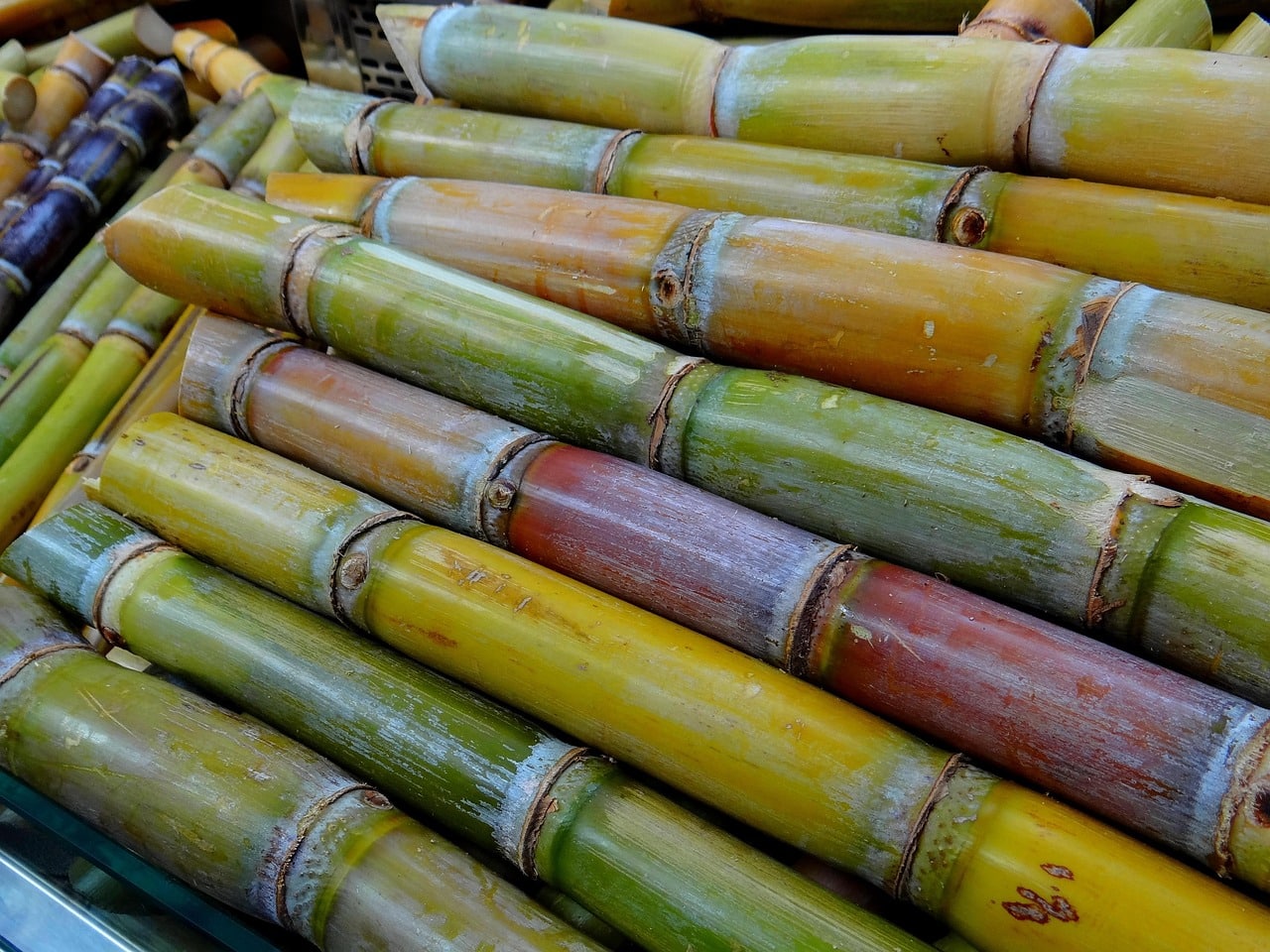
Sugar: Types, Health and Cooking Tips
Carbohydrates give energy, and sugars are a kind of carbohydrates, so they fuel your body in that way. Glucose enters in action to create the energy, that your cells need for work. Here the main point even so, there is no such thing as “bad” Sugar, if you use it wisely.
Fructose from fruits genuinley helps to refill the glycogen reserves in the liver, what is useful for good sleep and rest after heavy training.
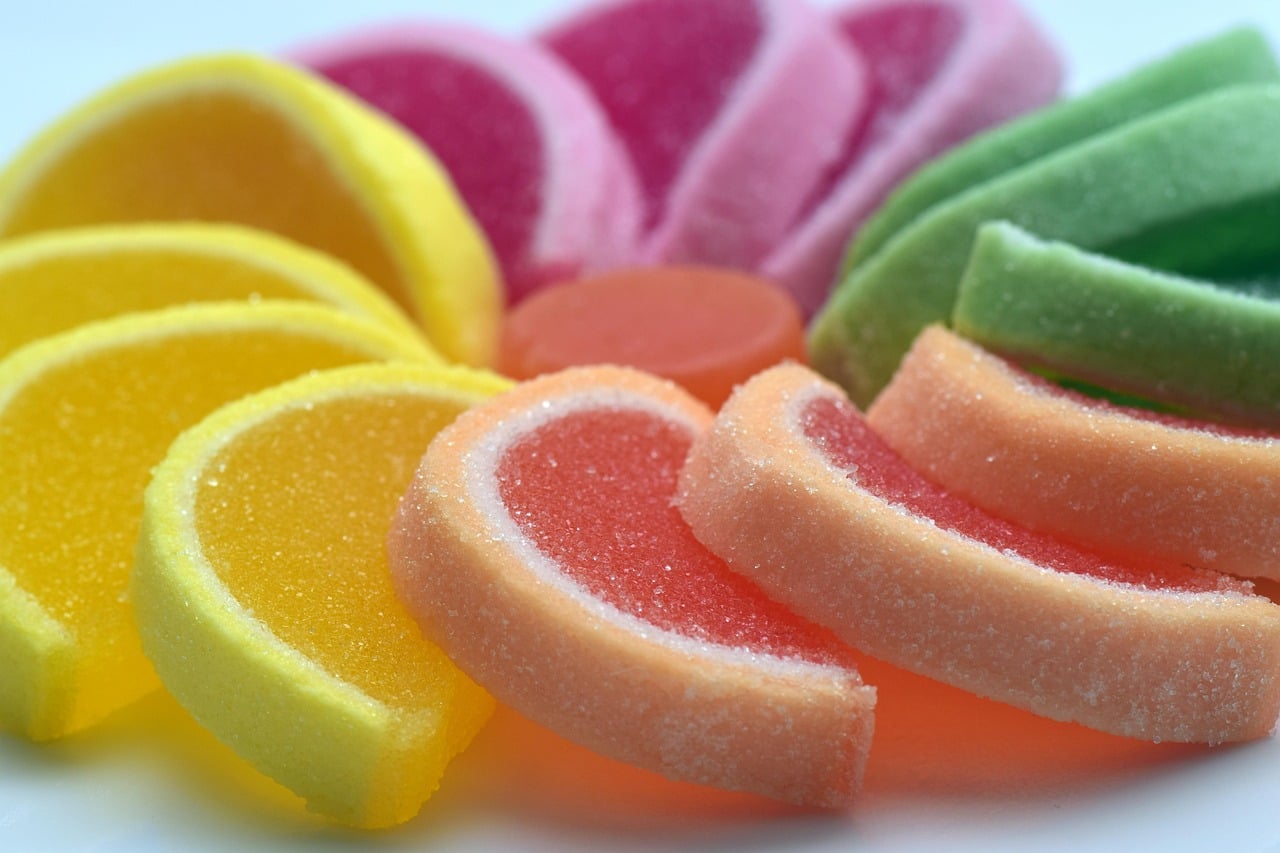
Now about free sugars, so added sugars together with those naturally in honey, syrups and unsweetened juices, they should not pass 5 percent of your daily calorie entry. For women that means around 25 grams of extra Sugar daily, while men aim close to 36 grams. If you consider, what already hides in usual meals and surprisingly in various ingredients, their stays space for one or two bits of chocolate.
The typical American? He eats more than 17 spoons each day, almost twice the suggested amount. Keeping extra Sugar to between 6 and 9 spoons a day helps to prevent health problems.
Other cause: sugary drinks need special notice, aim for less than one serving per week.
Portion control commonly gets missed, what matters. The serving size on the label does not always match that, what you actually put on the plate or in the glass. Double the serving, and you double the Sugar entry, just that simply.
Currently food labels clearly show added sugars in grams and percent of the daily value, and makers have made the access to calorie and serving data easier to avoid mistakes.
Sugar comes in a bunch of kinds for cooking and baking, each with its own unique taste for foods. In cakes, drinks, meat rubs or even fish dishes everything benefits from a bit of sweetness. Brown Sugar gives depth, that pure white Sugar does not reach, mix one spoon of molasses with a cup of white for the light version, or double for the dark.
Turbinado Sugar, that less processed rough type, adds pleasant crunch to cakes and pastries. One commonly misunderstood point: yeast in bread does not actually need Sugar to live. Flour itself is enough to keep fermentation going, so adding Sugar is notnecessary, whatever some recipes say.
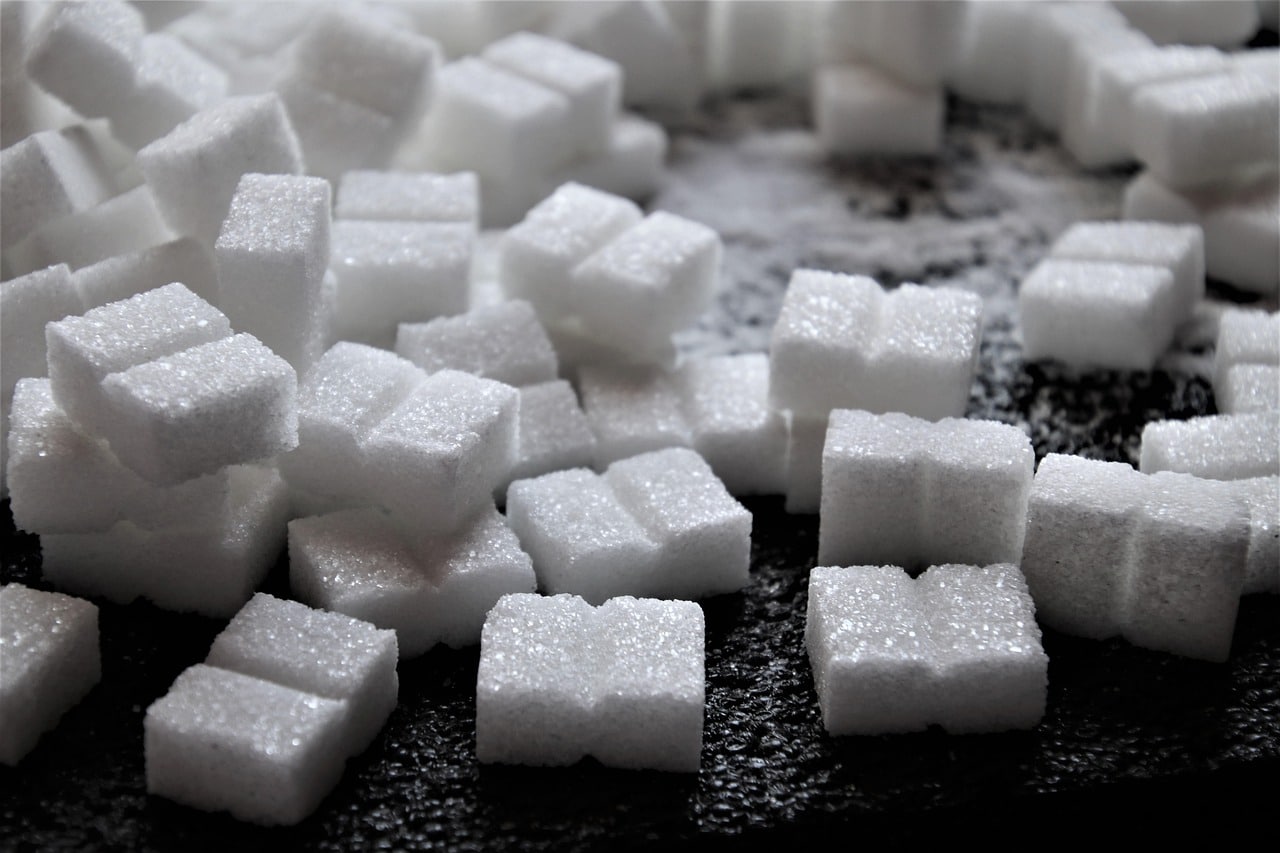
Sugar goes past the kitchen in surprising ways, it helps flowers stay fresh more long, commonly giving you a week or more of vase life. Even so warm Sugar needs big care and never should touch your mouth, until it fully cooled. A good thermometer for Sugar mixtures becomes important, when you want the ideal firmness in homemade sweets.