🧂 Sauerkraut Salt Calculator
Calculate the exact salt needed for perfect lacto-fermentation every time
| Cabbage Weight | 1.5% Salt | 2% Salt (Std) | 2.5% Salt | 3% Salt |
|---|---|---|---|---|
| 250g / 0.55 lb | 3.8g | 5g | 6.3g | 7.5g |
| 500g / 1.1 lb | 7.5g | 10g | 12.5g | 15g |
| 750g / 1.65 lb | 11.3g | 15g | 18.8g | 22.5g |
| 1 kg / 2.2 lb | 15g | 20g | 25g | 30g |
| 1.5 kg / 3.3 lb | 22.5g | 30g | 37.5g | 45g |
| 2 kg / 4.4 lb | 30g | 40g | 50g | 60g |
| 3 kg / 6.6 lb | 45g | 60g | 75g | 90g |
| 5 kg / 11 lb | 75g | 100g | 125g | 150g |
| Salt Type | Grams per Tsp | Grams per Tbsp | Notes |
|---|---|---|---|
| Fine Sea Salt | 6g | 18g | Best for sauerkraut |
| Pickling Salt | 6g | 18g | Very consistent |
| Diamond Kosher | 3g | 9g | Very coarse, light |
| Morton Kosher | 4.8g | 14.4g | Flake salt |
| Himalayan Pink | 6g | 18g | Fine grind only |
| Table Salt (avoid) | 6g | 18g | Has iodine — avoid |
| Salt % | Taste Profile | Approx. Ferment Time | Best For |
|---|---|---|---|
| 1.5% | Very mild | 3–5 days | Fast batches, mild flavor |
| 2% | Classic tangy | 1–3 weeks | Standard sauerkraut |
| 2.5% | Balanced | 2–4 weeks | Longer shelf life |
| 3% | Noticeably salty | 3–6 weeks | Warm climates, storage |
Sauerkraut literally means “bitter cabbage” from the German language. It is made from plain white cabbage cut and fermented by lactic acid bacteria. Thanks to that fermentation it has long shelf life and a bitter taste.
That method for keeping cabbage is among the most ancient, going back to the 4th century BC.
Sauerkraut: How to Make It and Why It Is Healthy
Making sauerkraut at home is especially simple. At the base, you need two main ingredients: cabbage and salt. One usually dries the cabbage with enough salt, which helps to pull the water from it.
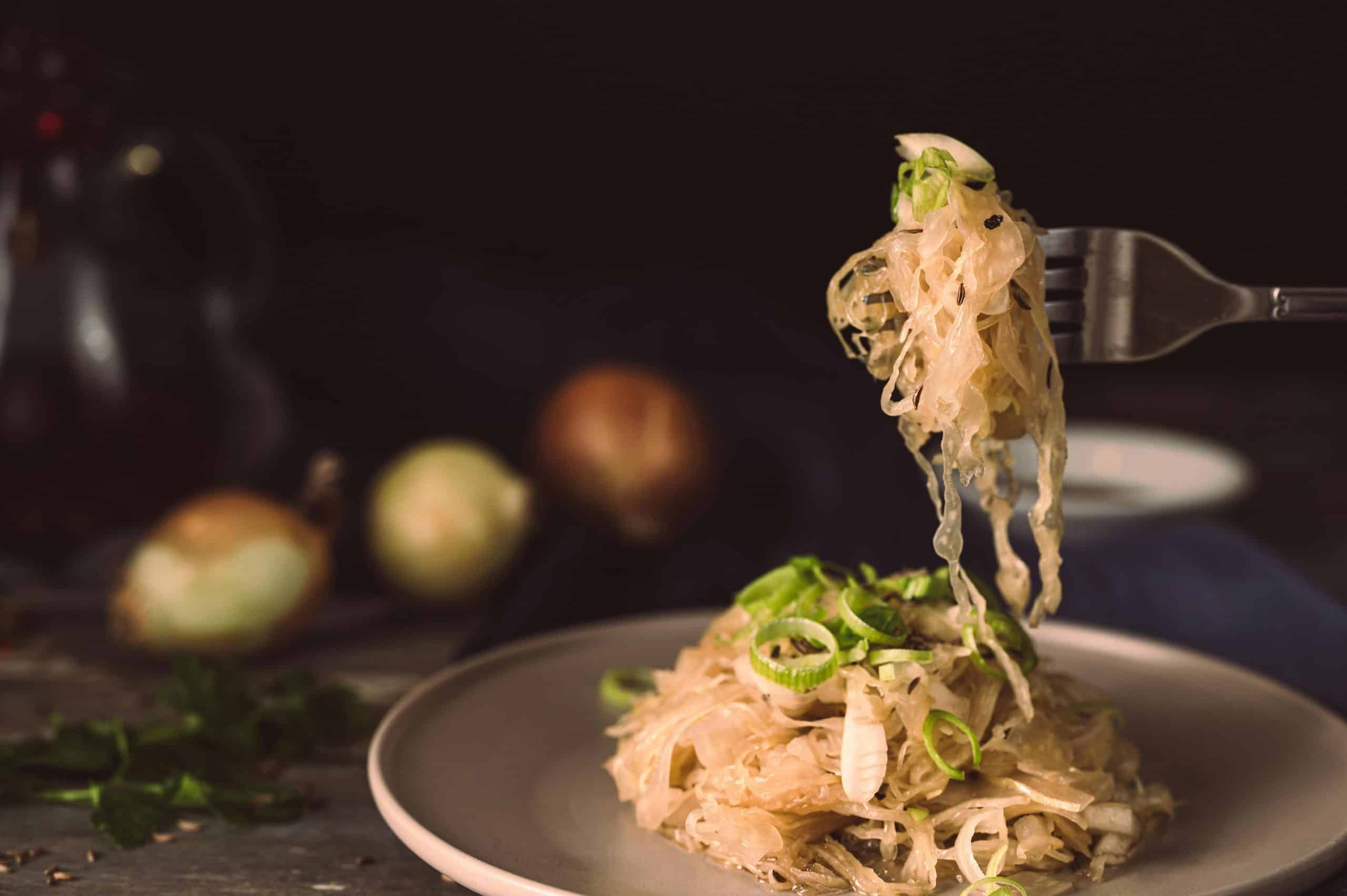
Later it goes in a bowl and stays to ferment during one week to a month. Every kind of cabbage works, but red gives a more colorful result. On the surface of plain cabbage already live bacteria called Lactobacillus, so any special culture does not need to be added.
Some recipes add extra items, like grated carrot, cut apples, onions or even jalapenos. An interesting version uses beetroots, which adds a bit of sweetness and red color that goes well with the cabbage. Juniper berries or black pepper form other fun additions.
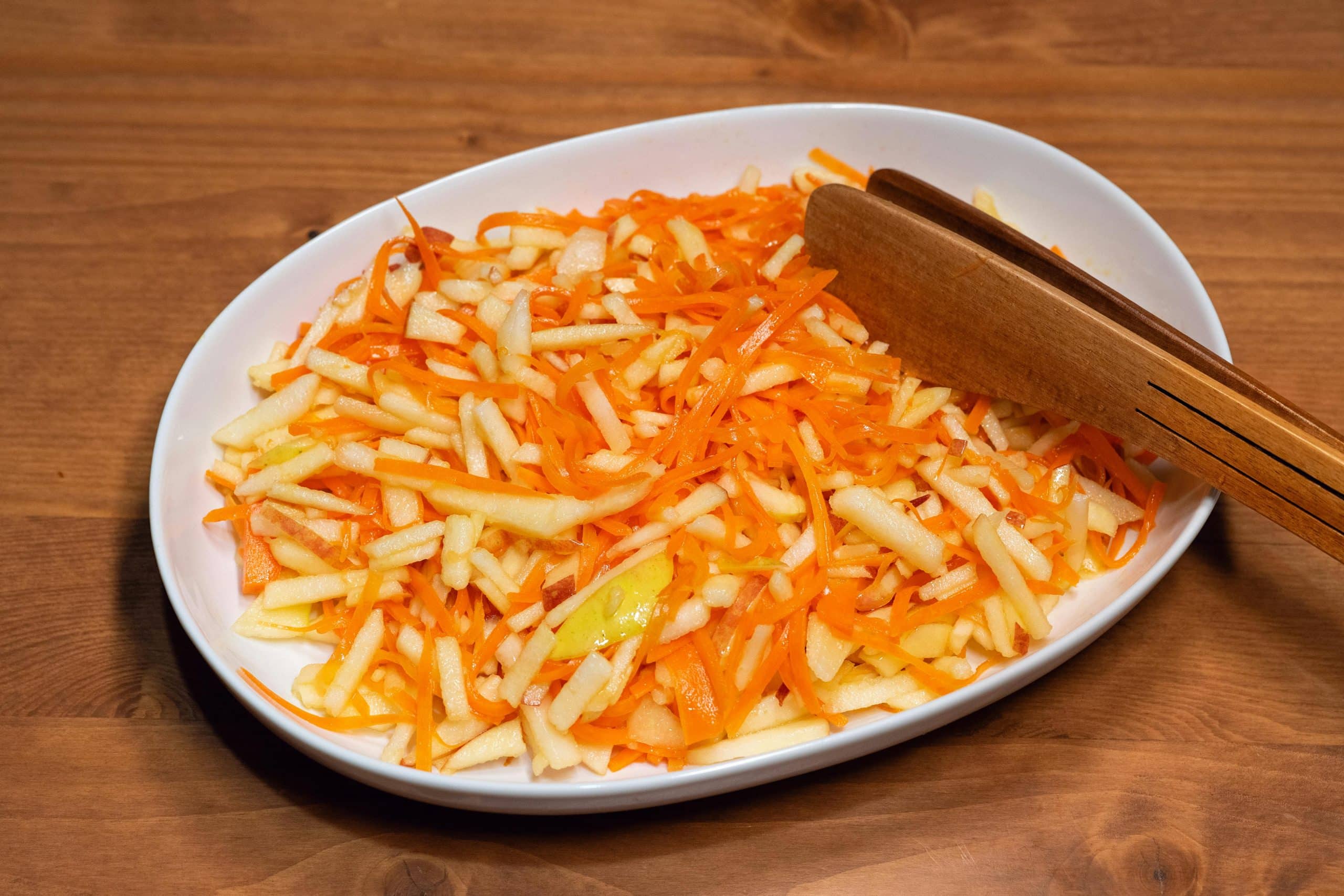
Caraway seeds one mixes in also.
The whole process does not have bad smell. It does not offend the nose in the big jar, it smells salty and fresh-bitter, not rotten. Homemade sauerkraut keeps crunch and real taste, compared too that bought in stores, that commonly tastes like vinegar.
Cabbage closed in tins goes through treatment that destroys all bacteria, so no probiotic benefits stay. Versions in bags usually have much better taste than preserved.
Talking about probiotics, sauerkraut delivers a great amount of them. It backs the health of the bowels. Studies show that fermented foods like sauerkraut, kimchi, yoghurt and miso help against problems like uncontrolled blood sugar, insulin resistance, LDL-cholesterol, triglycerides and size of waist.
Sauerkraut surprisingly is rich in vitamin C: 100 grams give 25 percent of the daily need. It provides fiber and potassium, and itself is low in calories.
For a good daily amount one advises around a tablespoon or 10 grams. Start with a small amount, around 3 grams, is wise for newcomers. Later one can grow the amount slowly to 60 grams a day.
Even so sauerkraut carries a lot of sodium, so that is something to recall.
Heating sauerkraut destroys the alive bacteria, so eating it raw keeps the probiotic benefits. Unpasteurized sauerkraut from the fridge section has those bacteria. It goes well with stuffings and mustard.
The bitter taste contrasts surprisingly with pork, making a strong match between bitterness and umami. It works for sandwiches andhot dogs also. In Germany one can buy fresh sauerkraut at the butcher or in bags, tins and bowls.