🌿 Spice Blend Calculator
Enter your spices and parts to instantly calculate exact measurements for any batch size
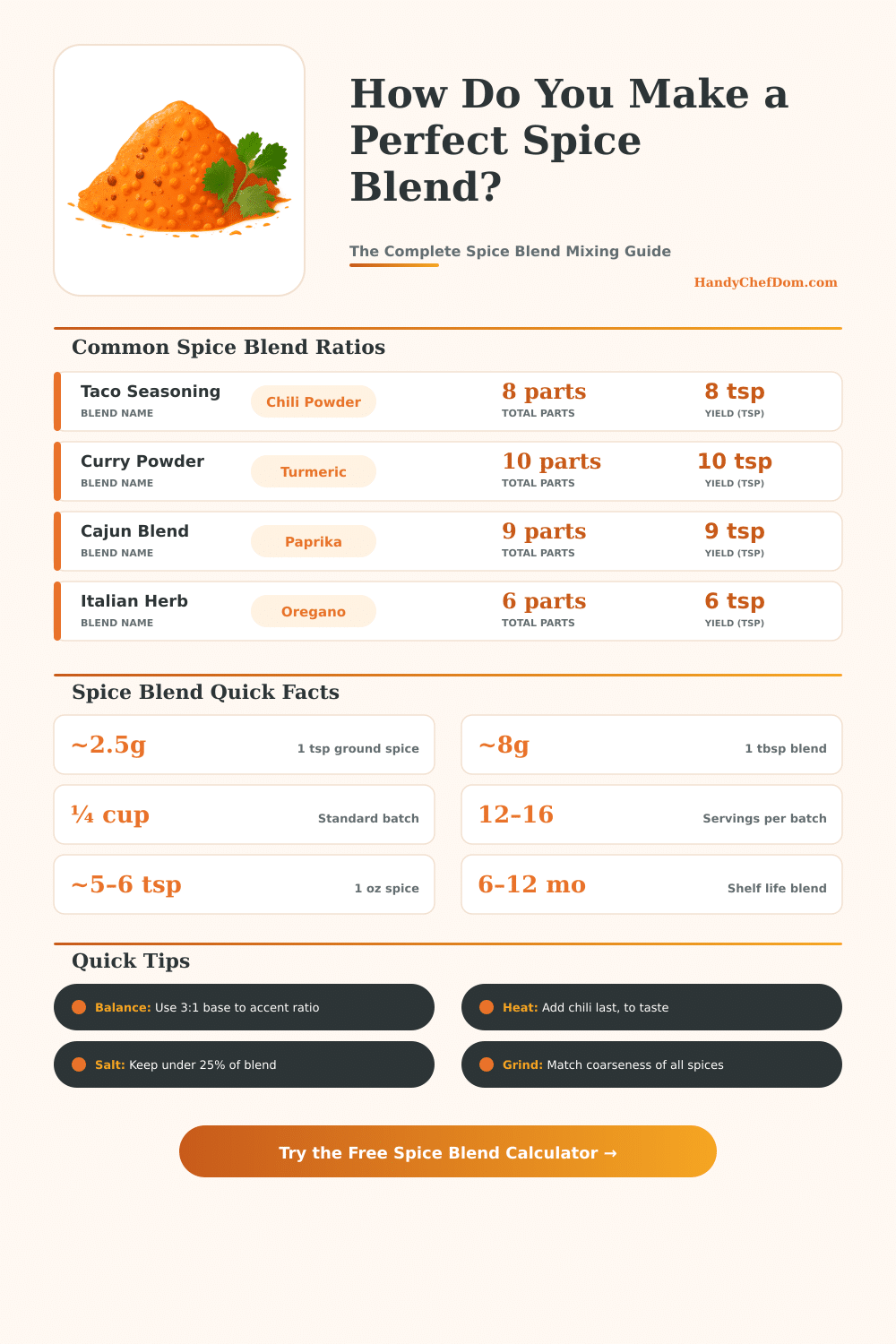
| Blend Name | Key Spices (Parts) | Total Parts | Typical Batch | Use Per Serving |
|---|---|---|---|---|
| Taco Seasoning | Chili 3, Cumin 2, Paprika 2, Garlic 1, Onion 1, Oregano 1 | 10 parts | 10 tsp (~1/4 cup) | 1–2 tsp per lb meat |
| Curry Powder | Turmeric 4, Coriander 3, Cumin 2, Ginger 1, Pepper 1 | 11 parts | 11 tsp | 1–2 tsp per serving |
| Cajun Blend | Paprika 4, Garlic 2, Onion 2, Cayenne 1, Thyme 1, Oregano 1 | 11 parts | 11 tsp | 1 tsp per serving |
| Italian Herbs | Oregano 3, Basil 2, Thyme 1, Rosemary 1, Marjoram 1 | 8 parts | 8 tsp | 1 tsp per cup sauce |
| BBQ Dry Rub | Paprika 4, Brown Sugar 3, Garlic 2, Pepper 2, Cumin 1 | 12 parts | 12 tsp | 1–2 tbsp per lb meat |
| Garam Masala | Coriander 4, Cumin 2, Cardamom 1, Cinnamon 1, Cloves 0.5 | 8.5 parts | 8–9 tsp | 0.5–1 tsp per serving |
| Ras el Hanout | Cumin 2, Coriander 2, Cinnamon 1, Ginger 1, Turmeric 1 | 9+ parts | 9 tsp | 1 tsp per serving |
| Za'atar | Thyme 3, Sesame 2, Sumac 2, Salt 1 | 8 parts | 8 tsp | 1 tbsp per dish |
| Pumpkin Spice | Cinnamon 4, Ginger 2, Nutmeg 1, Cloves 1, Allspice 0.5 | 8.5 parts | 8 tsp | 1–2 tsp per recipe |
| Chili Powder | Ancho/Chili 4, Cumin 2, Garlic 1, Oregano 1, Paprika 1 | 9 parts | 9 tsp | 1–2 tsp per serving |
| Spice | g per tsp | oz per tsp | Category |
|---|---|---|---|
| Salt (table) | 6.0g | 0.21 oz | Mineral |
| Sugar (brown) | 4.6g | 0.16 oz | Sweetener |
| Black pepper (ground) | 2.3g | 0.08 oz | Pepper |
| Paprika (ground) | 2.3g | 0.08 oz | Pepper |
| Cumin (ground) | 2.1g | 0.07 oz | Seed |
| Turmeric (ground) | 3.0g | 0.11 oz | Root |
| Coriander (ground) | 1.8g | 0.06 oz | Seed |
| Garlic powder | 3.1g | 0.11 oz | Allium |
| Onion powder | 2.4g | 0.08 oz | Allium |
| Cinnamon (ground) | 2.6g | 0.09 oz | Bark |
| Chili powder | 2.7g | 0.10 oz | Pepper |
| Ginger (ground) | 1.8g | 0.06 oz | Root |
| Oregano (dried) | 1.0g | 0.04 oz | Herb |
| Thyme (dried) | 1.1g | 0.04 oz | Herb |
| Cayenne pepper | 1.8g | 0.06 oz | Pepper |
| Cardamom (ground) | 2.0g | 0.07 oz | Seed |
spice blend form a main part in cooking through various styles of food making. The spice blend is a lot like garam masala. In Indian cooking, garam masala ranks among the most loved spice blend with items like cinnamon, cardamom, cumin, coriander, cloves, nutmeg and black pepper.
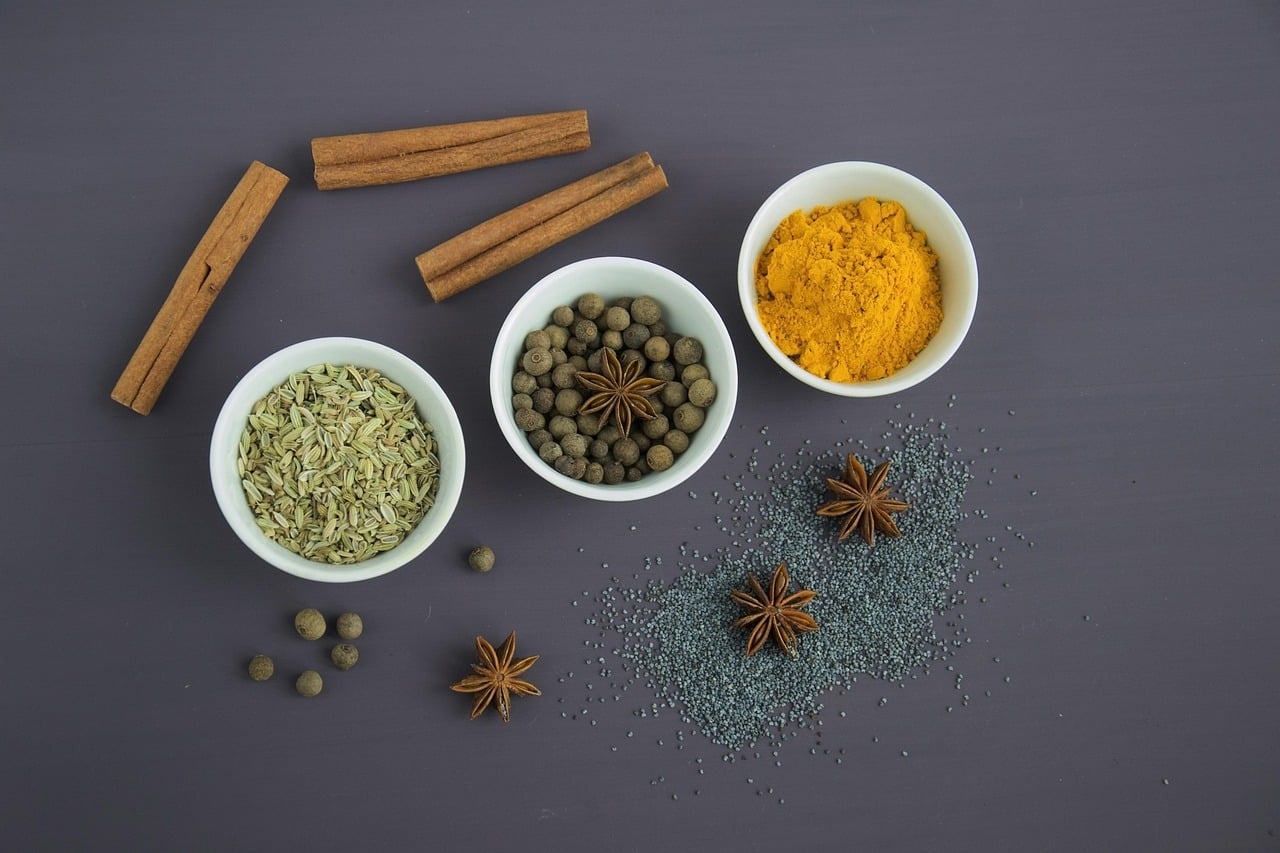
It is worth paying a bit more money for quality garam masala because the cheap ones commonly do not have the rich flavor of real recipes.
All About Spice Blends
Various groups created their own kinds of spice blend. Even inside one area, there are differences that locals quickly notice. Other Indian ones include curry spice blend, chaat spice blend and biryani spice blend.
Ras el-hanout comes from Morocco, Tunisia and Algeria as a spice blend. It means “head of the store”, what points to its changes between market and market. Baharat is used in the Gulf and Iraqi cooking.
It mixes cinnamon, cloves, nutmeg, cumin, coriander and pepper, with paprika to give color. Also there is dukkah, that has been used for centuries. The Arabic “dukkah” means to pound, what explains the old way of making it with a mortar and pestle.
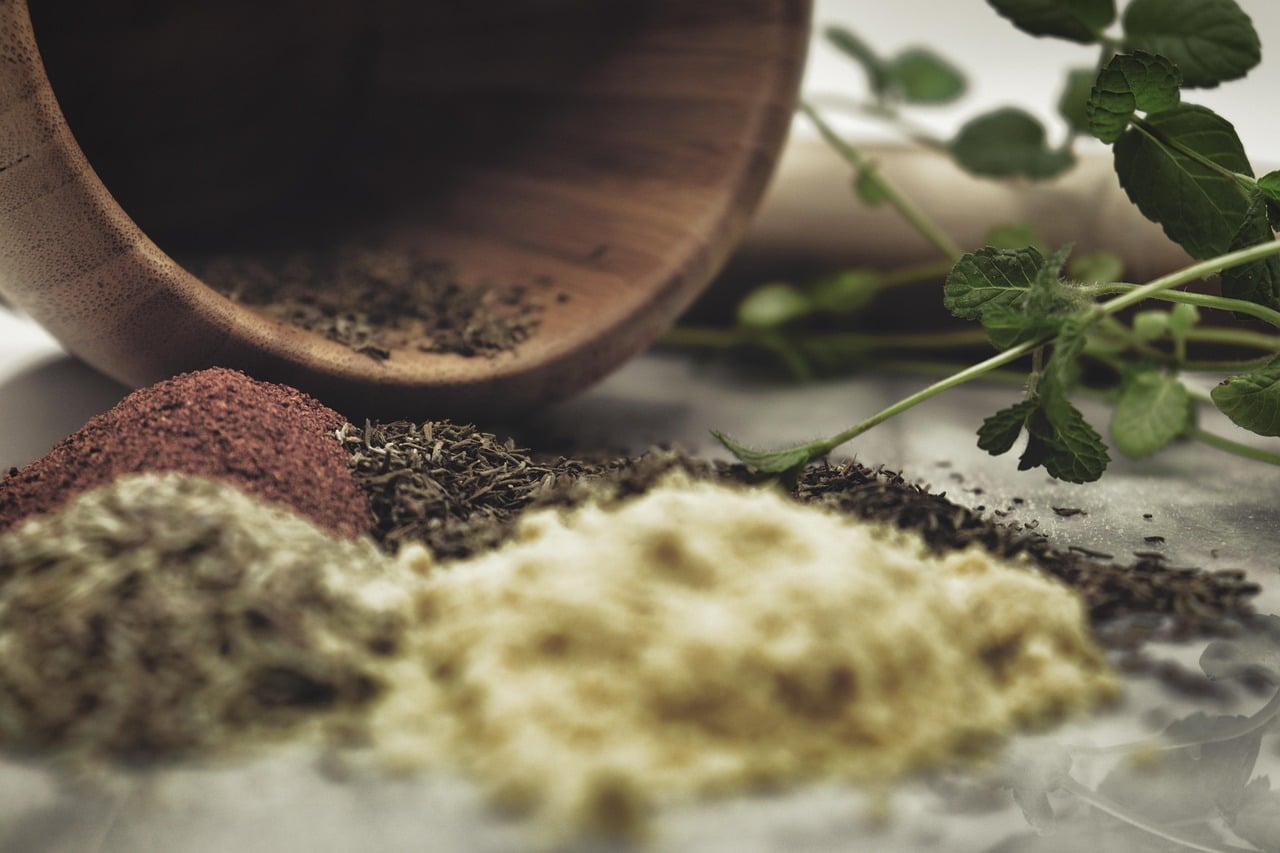
With spice blend, freshness plays a big role. Bought in store ones commonly lose their rich taste, because they sit on shelves too much time and end up with dull flavor. Ready mixes can be quite old less strong than separate spices.
Big packages of whole spices give great value and usually appear in the Indian section of grocery stores.
Home making such spice blend is truly doable. Chinese five-spice powder, ras el-hanout, barbecue rubs, curry powder, Italian herb mix and herbs of Provence all can be made from scratch. A basic everyday mix is made up of salt, pepper, onion powder, garlic powder and paprika.
It relies on cheap spices that are always around, and works well on chicken. Even so, sometimes it is more simple and less costly to buy a two-dollar tin of taco spice blend or Cajun spice blend then make it yourself.
Italian spice blend usually has basil, oregano, rosemary, marjoram and thyme. Old Bay mix has complex spices like celery salt and paprika, while adobo spice blend has garlic, oregano, turmeric and black pepper. The Georgian khmeli-suneli allows for many different taste mixes.
There are also low-sodium versions. Salt-free forms of famous Cajun spice blend are easy to find. A spice blend with more MSG than salt, and without too much of anything else, can taste good.
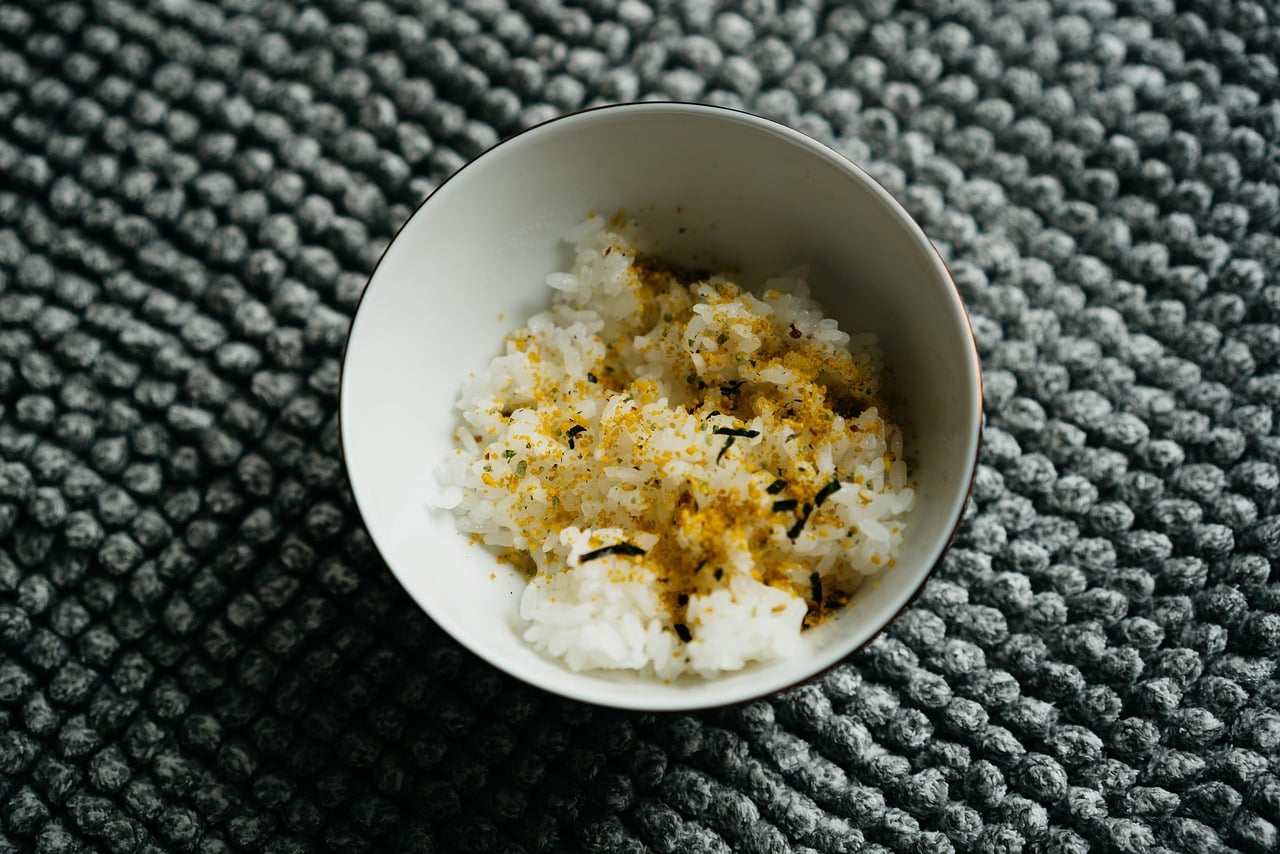
Furikake is a special Japanese spice blend for putting on rice, but it gives strong umami to tomatoes or cooked mushrooms. A pinch of cloves adds dark richness and a hint ofsweetness, that softens the bit of very sharp spices.