🧴 Cooking Oil Converter
Convert between cups, tablespoons, teaspoons, milliliters, and grams instantly
ℹ️ Nutrition shown for Vegetable Oil per 1 tablespoon. Select an oil type above and calculate to update.
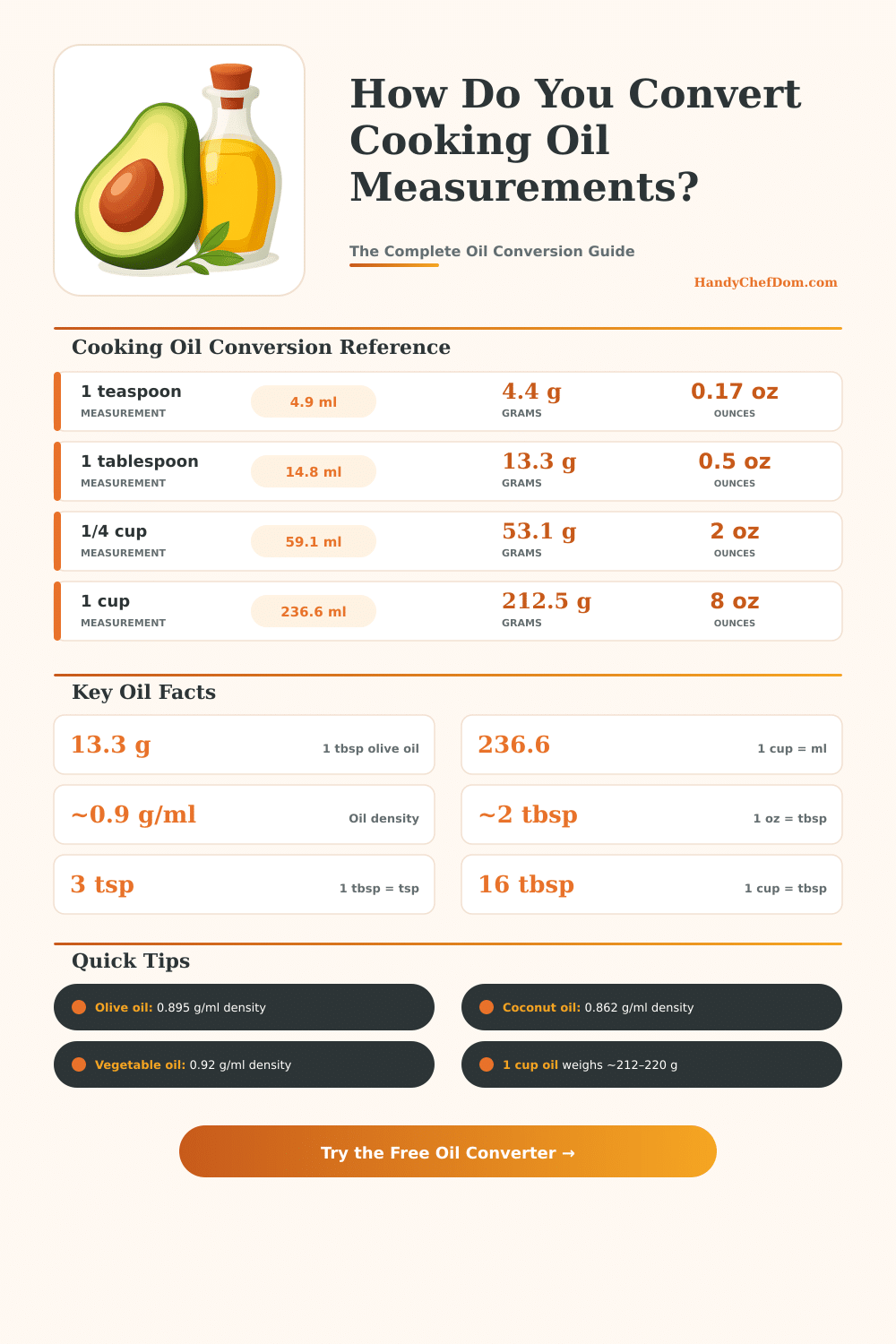
| Measurement | Teaspoons | Tablespoons | Cups | Milliliters | Grams (Veg Oil) |
|---|---|---|---|---|---|
| 1 Teaspoon | 1 tsp | 0.33 tbsp | 0.021 cup | 4.93 ml | 4.5 g |
| 1 Tablespoon | 3 tsp | 1 tbsp | 0.0625 cup | 14.79 ml | 13.6 g |
| 1 Fluid Ounce | 6 tsp | 2 tbsp | 0.125 cup | 29.57 ml | 27.2 g |
| 1/4 Cup | 12 tsp | 4 tbsp | 0.25 cup | 59.15 ml | 54.4 g |
| 1/3 Cup | 16 tsp | 5.33 tbsp | 0.333 cup | 78.86 ml | 72.6 g |
| 1/2 Cup | 24 tsp | 8 tbsp | 0.5 cup | 118.29 ml | 108.8 g |
| 1 Cup | 48 tsp | 16 tbsp | 1 cup | 236.59 ml | 217.7 g |
| 1 Liter | 202.9 tsp | 67.6 tbsp | 4.23 cups | 1000 ml | 920 g |
| Oil Type | Density (g/ml) | 1 Tbsp in Grams | 1 Cup in Grams | 1 Cup in oz (weight) |
|---|---|---|---|---|
| Olive Oil | 0.895 | 13.2 g | 211.8 g | 7.47 oz |
| Vegetable Oil | 0.920 | 13.6 g | 217.7 g | 7.68 oz |
| Canola Oil | 0.914 | 13.5 g | 216.2 g | 7.63 oz |
| Coconut Oil | 0.862 | 12.7 g | 203.9 g | 7.19 oz |
| Avocado Oil | 0.910 | 13.5 g | 215.3 g | 7.59 oz |
| Sunflower Oil | 0.919 | 13.6 g | 217.4 g | 7.67 oz |
| Sesame Oil | 0.920 | 13.6 g | 217.7 g | 7.68 oz |
| Corn Oil | 0.922 | 13.6 g | 218.1 g | 7.70 oz |
| Recipe Use | Typical Amount | Milliliters | Grams (Olive Oil) |
|---|---|---|---|
| Salad Dressing (1 serving) | 1–2 tbsp | 15–30 ml | 13–26 g |
| Sautéing vegetables | 1–2 tbsp | 15–30 ml | 13–26 g |
| Stir-fry (per serving) | 1 tbsp | 14.8 ml | 13.2 g |
| Pasta sauce base | 2–3 tbsp | 30–44 ml | 26–40 g |
| Baking (replace butter) | 3/4 cup per cup butter | 177 ml | 158 g |
| Deep frying (small batch) | 2–4 cups | 473–946 ml | 435–870 g |
| Roasting vegetables | 2–4 tbsp | 30–59 ml | 26–53 g |
| Drizzling (garnish) | 1 tsp | 4.9 ml | 4.4 g |
Cooking Oil is simply any liquid fat, whether from plants or animals. That you use for frying, baking and almost everything in between. What makes Cooking Oil so handy in the kitchen is that it can handle much higher heats than water can which results in faster cooking of foods and better flavor.
It spreads the heat evenly through everything you cook, which avoids those burned spots and the annoying uneven parts that cook differently. There is something nice about cooking with fat, partly because it brings deep taste, and partly because of the way your body responds to all those calories.
Choosing the Right Cooking Oil
The choices here really do not end. Olive oil, canola oil, coconut oil, peanut oil and vegetable oil are the popular ones among most folks. They come from different sources.
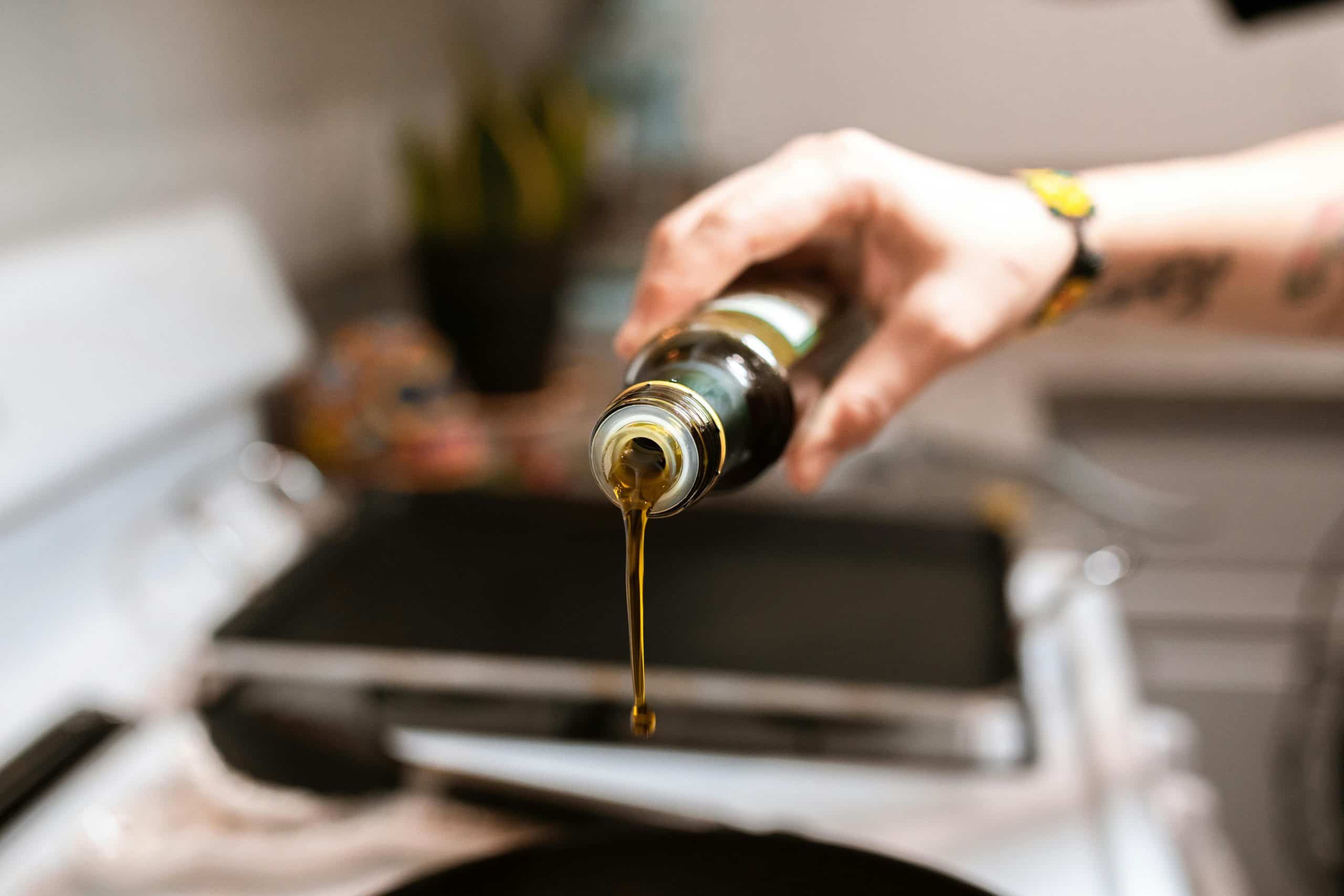
Some from plants, some from animals, some even made in factories. Canola has both omega-6 and omega-3 fatty acids in it, that your body really needs to work well. It has also a good name among the haelthier options that you can get from the store.
Here comes the smoke point, that becomes your most faithful helper during the choice of oil. It is the heat at which the oil starts smoking and basically breaks down. As soon as it smokes, you will ruin what you cook (it will have a burning or bitter taste), know way to escape that.
Say that you sear steak, then use something with a high smoke point, like canola or avocado oil, so that everything cooks evenly and tastes good. Avocado oil is really the best for cooking at high heat. Extra virgin olive oil, on the other hand, does not have that high a smoke point, so switching to canola when it gets hot makes total sense.
Vegetable oil gives neutral taste to the food, which lets it fit in almost any situation… Frying, grilling, you name it. It does not add quirks to your plate or fight what you want to reach.
Sunflower oil, safflower oil and canola belong to that same group of mild tastes with good smoke points. Sunflower oil even adds a bit of nutty tone, if you like that.
The cheap, everyday oils usually are neutral, especially when a recipe needs only a bit of it. Now, fancy oils like extra virgin olive oil cost more, but they bring extra benefits for your health. Extra virgin is made by pressing olives without heat or chemicals, which gives it that soft, creamy taste.
Coconut oil works well for lighter foods and adds a gentle coconut flavor. It is also seen as useful for your heart.

Animal fats deserve attention; beef tallow and butter both work strongly. Another winner is ghee. Lard?
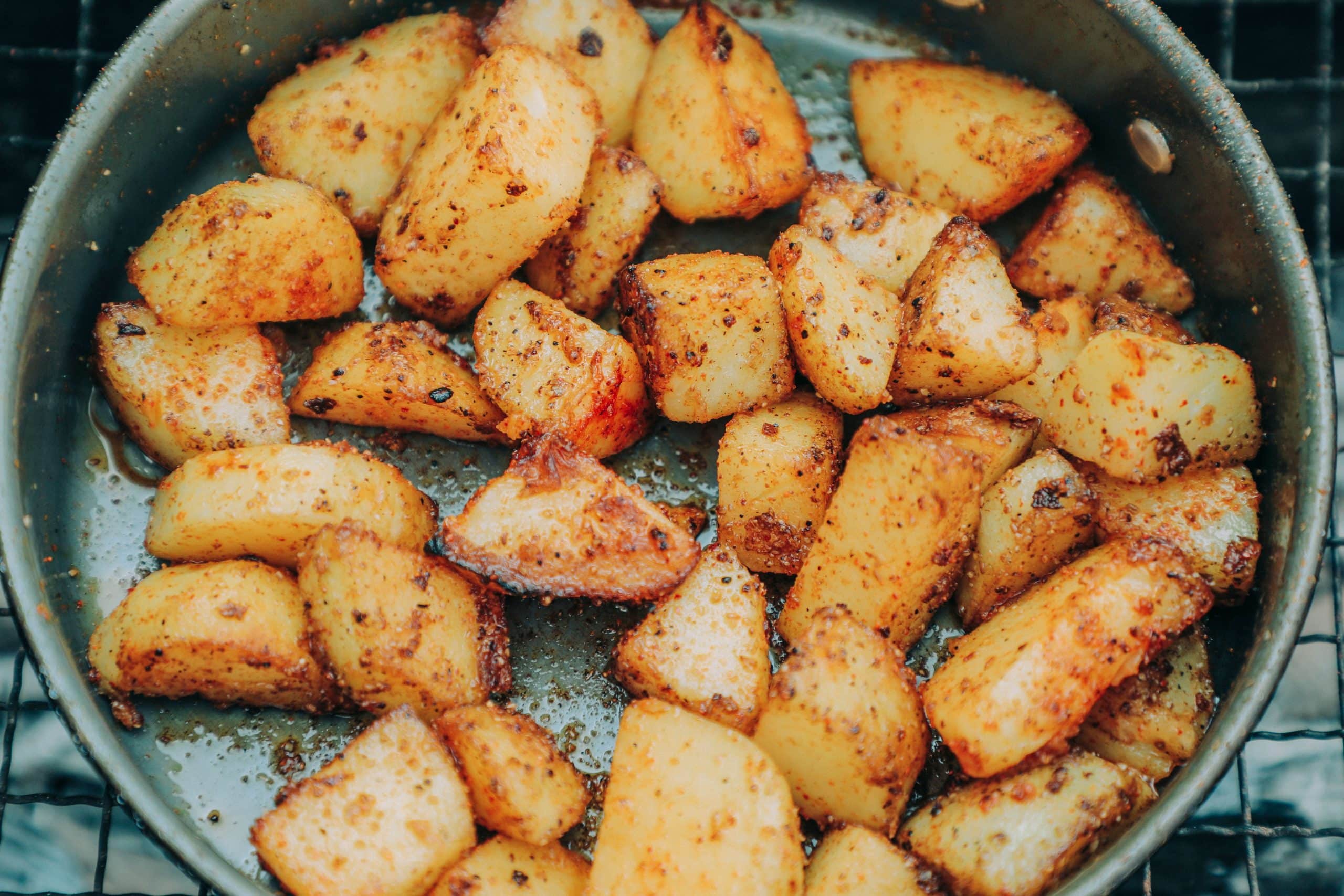
Great for roasting of potatoes. Sesame oil fits perfectly in Asian recipes. Mixing different oils together is really a clever move; it helps you avoid the weaknesses of onetype.
The label on most olive oil bottles lists one spoon as a serving. For most adults, between one and two spoons daily hits the right amount. Measure carefully, because it is too easy to pour more than planned.
A tablespoon and half of oil has almost as many calories as a handful of nuts.