🧀 Cheese Measurement Converter
Convert cheese between cups, ounces, grams, pounds & slices — shredded, grated, cubed & block
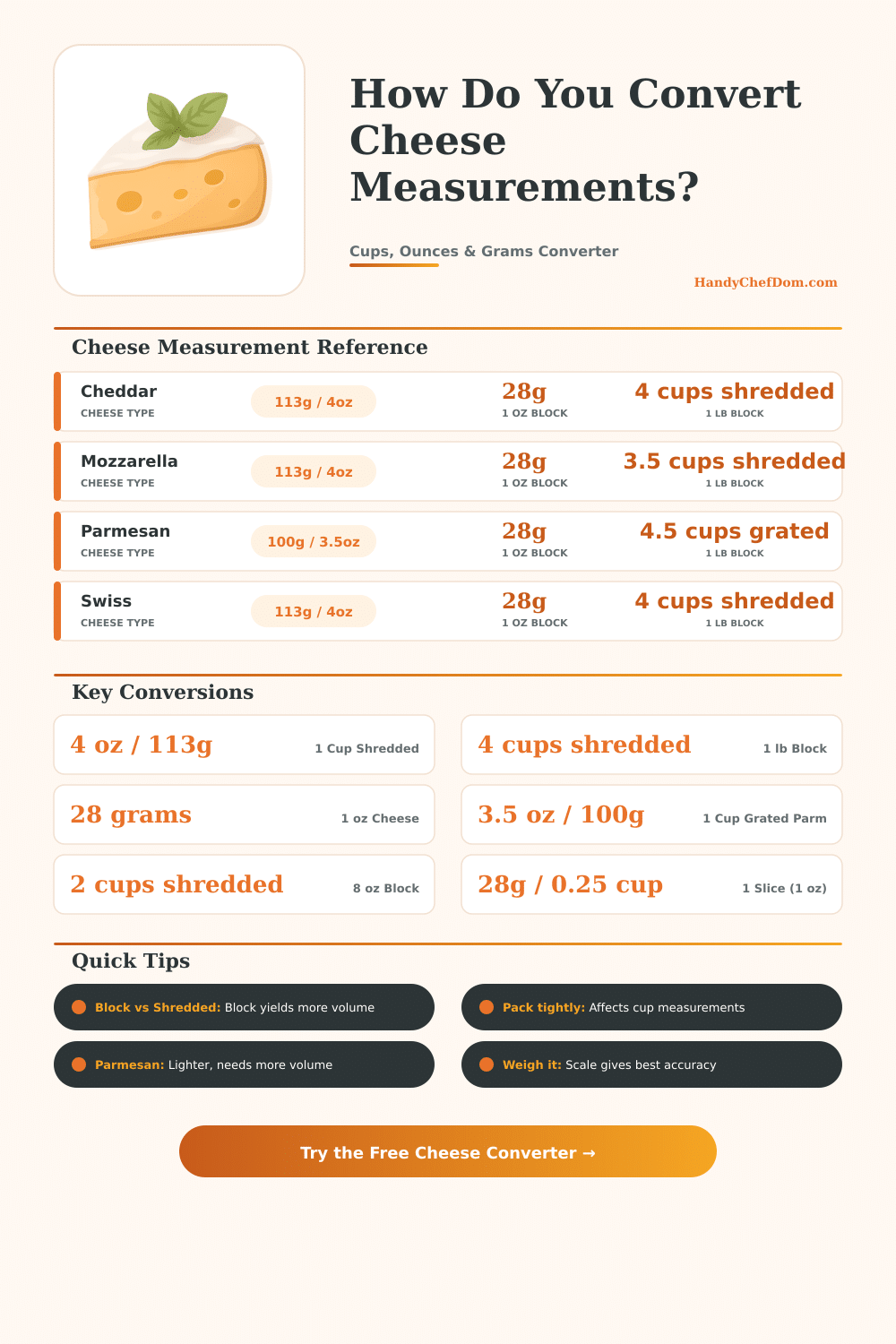
| Cheese Type | 1 Cup Shredded | 1 oz = Grams | 1 lb Block = Cups | 1 Cup Grams |
|---|---|---|---|---|
| Cheddar (shredded) | 4 oz / 113g | 28g | ≈ 4 cups | 113g |
| Mozzarella (shredded) | 4 oz / 113g | 28g | ≈ 3.5 cups | 113g |
| Parmesan (finely grated) | 3.5 oz / 100g | 28g | ≈ 4.5 cups | 100g |
| Swiss (shredded) | 4 oz / 113g | 28g | ≈ 4 cups | 113g |
| Gouda (shredded) | 4 oz / 113g | 28g | ≈ 4 cups | 113g |
| Feta (crumbled) | 5 oz / 142g | 28g | ≈ 3.2 cups | 142g |
| Ricotta (soft) | 8.5 oz / 246g | 28g | ≈ 1.9 cups | 246g |
| Cream Cheese | 8 oz / 227g | 28g | ≈ 2 cups | 227g |
| Brie (soft) | 8 oz / 227g | 28g | ≈ 2 cups | 227g |
| Colby / Jack | 4 oz / 113g | 28g | ≈ 4 cups | 113g |
| Block Amount | Weight (oz) | Weight (g) | Shredded Cups | Slices (1 oz) |
|---|---|---|---|---|
| ¼ lb block | 4 oz | 113g | 1 cup | 4 slices |
| ½ lb block | 8 oz | 227g | 2 cups | 8 slices |
| ¾ lb block | 12 oz | 340g | 3 cups | 12 slices |
| 1 lb block | 16 oz | 454g | 4 cups | 16 slices |
| 1.5 lb block | 24 oz | 680g | 6 cups | 24 slices |
| 2 lb block | 32 oz | 907g | 8 cups | 32 slices |
| 5 lb block | 80 oz | 2268g | 20 cups | 80 slices |
| Cheese Type | Calories | Protein | Fat | Carbs |
|---|---|---|---|---|
| Cheddar | 113 | 7.1g | 9.3g | 0.4g |
| Mozzarella (low-moisture) | 85 | 6.3g | 6.3g | 0.6g |
| Parmesan | 111 | 10.1g | 7.3g | 0.9g |
| Swiss | 108 | 7.6g | 7.9g | 1.5g |
| Gouda | 101 | 7.1g | 7.8g | 0.6g |
| Feta | 75 | 4.0g | 6.0g | 1.2g |
| Cream Cheese | 99 | 1.7g | 9.8g | 1.1g |
| Brie | 95 | 5.9g | 7.9g | 0.1g |
Cheese is a type of dairy product that you make from clotted casein in various tastes, textures and forms. It is made up of proteins and fat from the milk of cows, goats or sheep, sometimes of water buffalo. You consider it one of the most nutritious foods and it can also come from milk of other animals like reindeer, camels and yaks
Cheese has long been loved because of its richness, creaminess, flavor and filling quality. Ancient people found it when you started farming and taming sheep and goats for their milk. At its core it is coagulated, pressed and commonly matured curd from milk, without the whey.
All About Cheese
After you drain the whey, the curds you lay in molds for cheese. According to the kind, you salt them before pressure, as with Cheddar, or lay in molds and later in brine, similarly to Mozzarella or Swiss cheese.
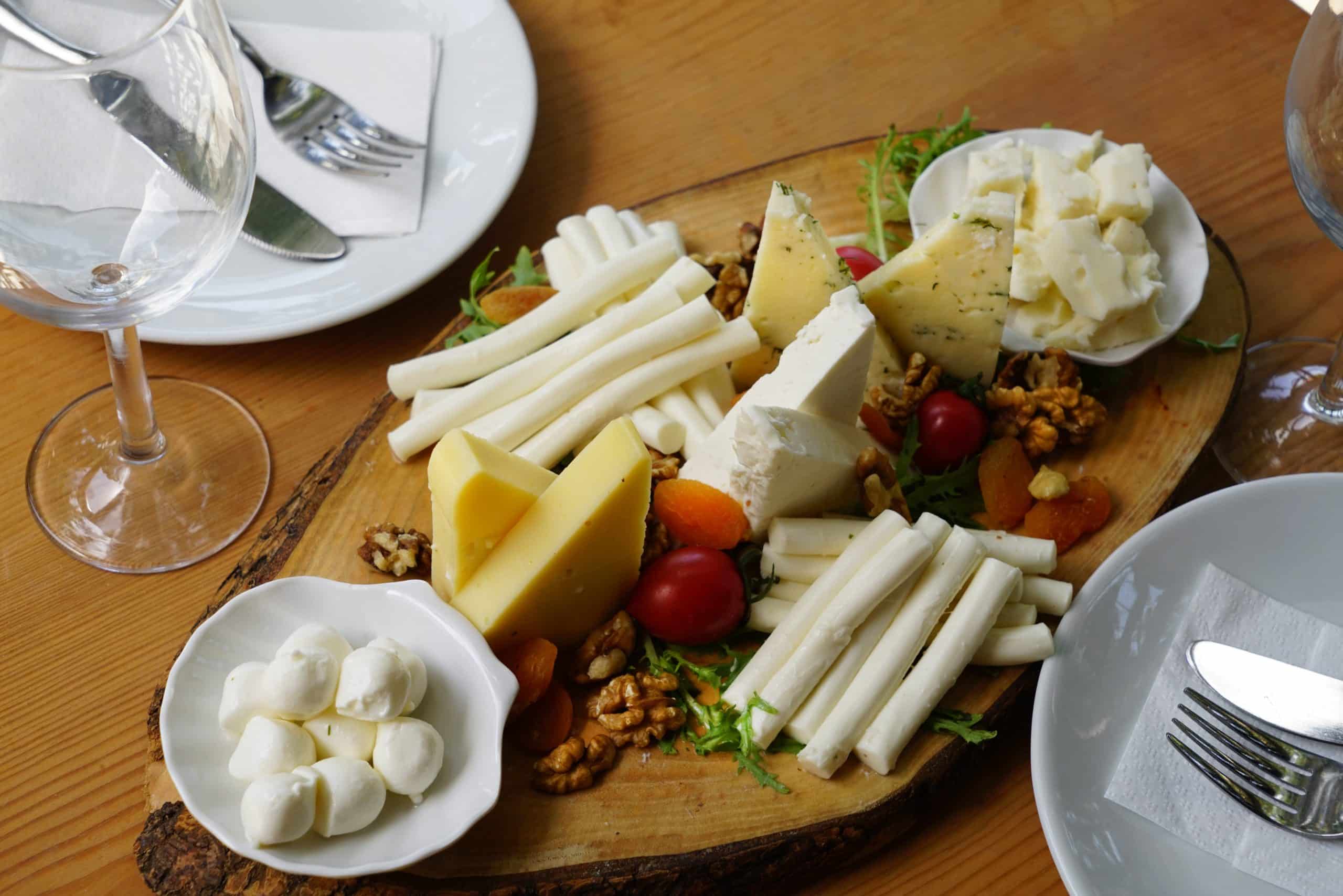
Cheeses divide into eight main groups: blue, hard, pasta filata, processed, semi-hard, semi-soft, soft and fresh and soft-ripened. Many kinds group according to fermentation time, texture, production method, fat, origin of the milk or land of production. You use those attributes alone or together.
Common mistake during cheese sauce is use only one kind. Mix those operate well. For instance creamy goat cheese with strong parmesan agree well.
For fondue the Savoyarde cheese is the classic, but some good fondue cheese answers. Gruyere or emmental are too hard and waxy for that. Raclette cheese would go well for fondue.
For serving sizes standard is one ounce, around 28 grams, similar to two cubes. For appetizers and dessert trays one to two ounces per person work well. If cheese tray is main meal, three to six ounces answer better.
For shredded Cheddar, Swiss, Monterey Jack, mozzarella, blue or feta standard is one cup, which matches four ounces if not too tightly filled.
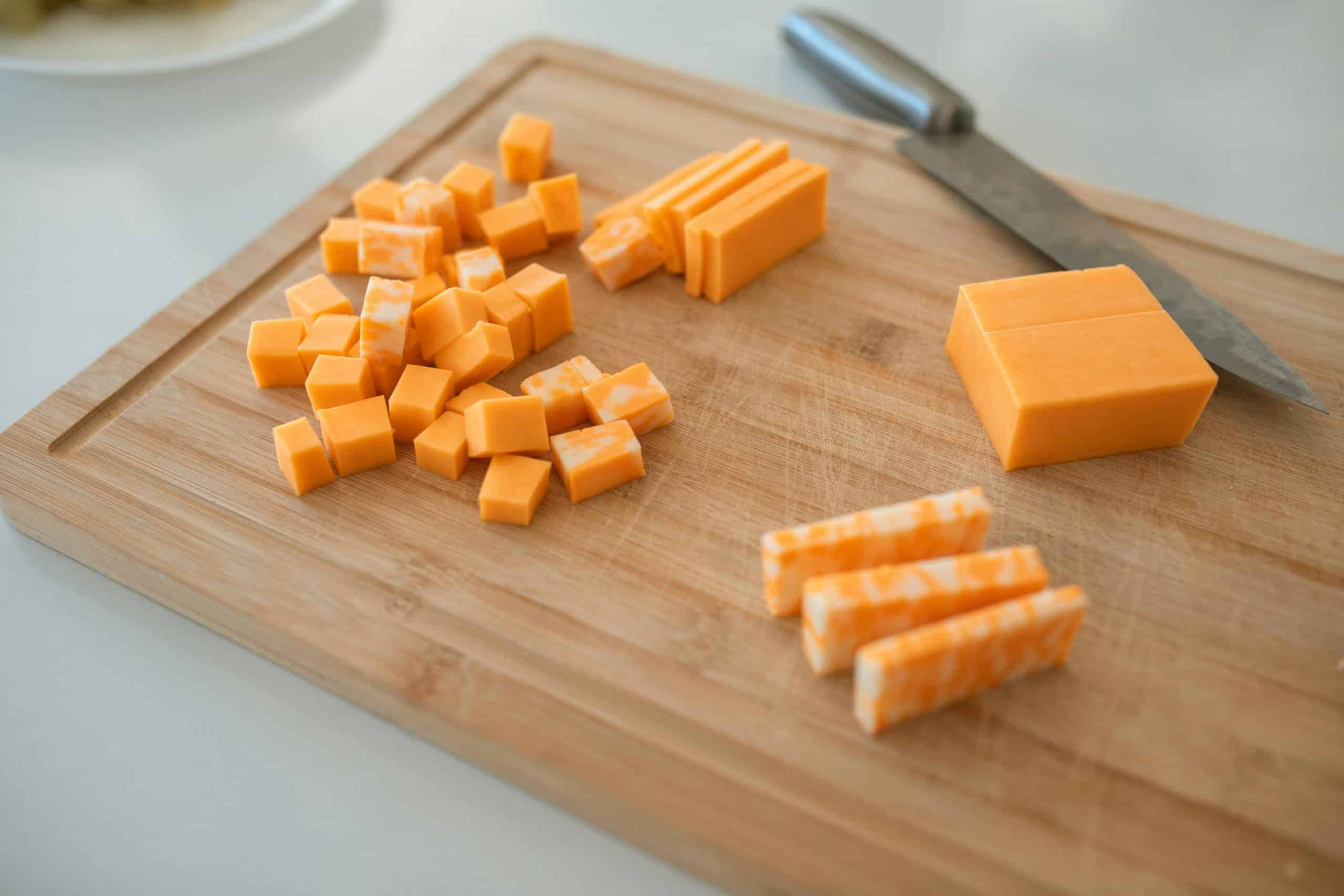
Cut cheese directly across the edge of the wedge destroy its form. You call that nosing the cheese. Also removing the center of brie and leaving the rind is rude.
Cheese goes well with fruits, nuts and honey. Triple cream brie go with strawberries and balsamic honey. Blue veined cheese goes with warm gingerbread.
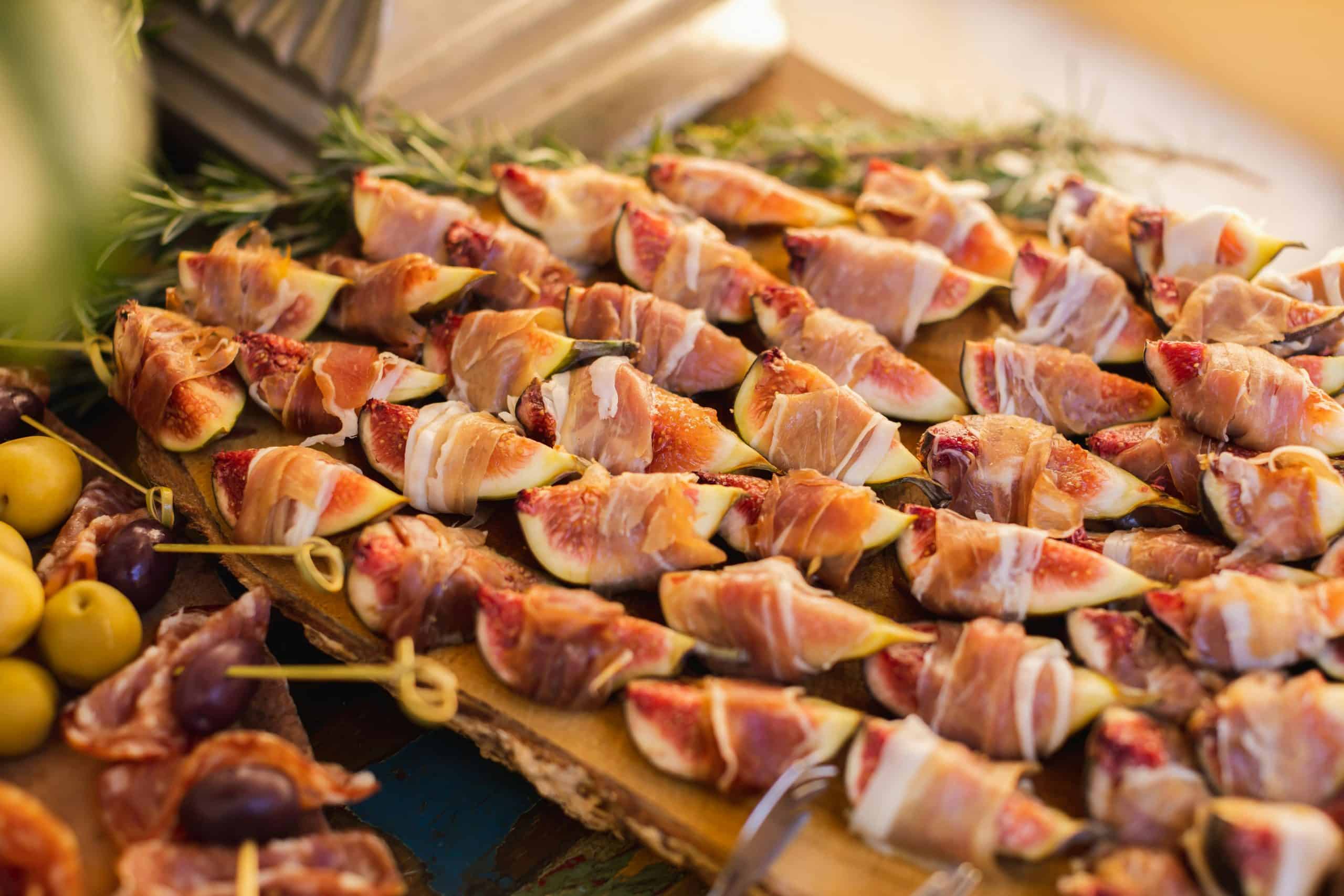
Chevre works well with honeycomb and crostini. Aged cheddar agree with spicy apple chutney and bitter oatcakes. Fresh figs covered by mild goat cheese and wrapped with prosciutto is another nice idea.