Portion Size Calculator
Estimate food portions for dinners, buffets, potlucks, and meal prep with guest counts, leftovers, and appetite adjustments.
The calculator rounds up for serving loss, leftovers, and waste so your shopping list is practical.
| Food group | Imperial | Metric | Typical use |
|---|---|---|---|
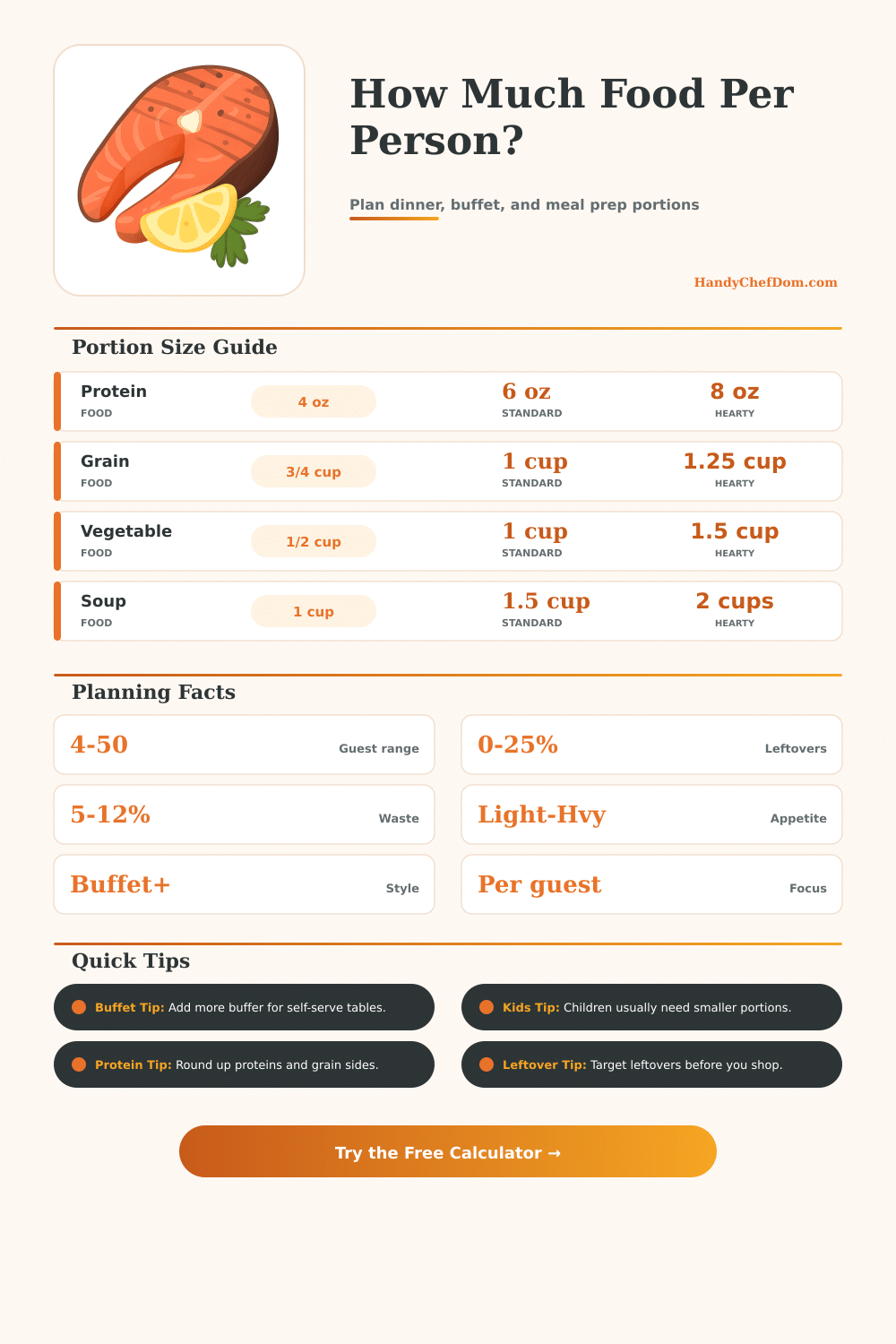
| Protein | 6 oz | 170 g | Main plate |
| Grain | 1 cup | 180 g | Rice, pasta |
| Vegetable | 1 cup | 120 g | Side dish |
| Salad | 2 cups | 85 g | Leafy greens |
| Serving style | Factor | Best for | Buffer note |
|---|---|---|---|
| Plated | 0.95 | Dinners | Less spill |
| Family style | 1.05 | Home meals | Shared bowls |
| Buffet | 1.15 | Events | More refills |
| Potluck | 1.18 | Mixed dishes | Guest overlap |
| Appetite | Factor | Guest type | Use case |
|---|---|---|---|
| Light | 0.85 | Smaller eaters | Lunch events |
| Standard | 1.00 | Most dinners | Everyday |
| Hearty | 1.25 | Big appetites | BBQ and holidays |
| Very hearty | 1.40 | Active crowd | Long gatherings |
| Guest count | Suggested buffer | Example | Tip |
|---|---|---|---|
| 4-6 | 10% | Family dinner | One extra side |
| 8-12 | 15% | Brunch | Plan refills |
| 15-25 | 20% | Party tray | Watch portions |
| 30+ | 25% | Buffet | Round up more |
Portion planning is the process of determining the correct amount of food that should be prepared for a specific number of people. Proper portion planning are necessary because improper portion planning can lead to either food waste or food shortages. Food waste occurs if the chef prepares too much food for the number of people who will eat.
Food shortages occur when there is not enough food prepared for the number of people who will eat. Many people experience stress when they are in charge of preparing food for guests but dont know how to calculate the portions of food that should be prepared. By using the steps and variables discussed in this paper, people can avoid the stress of underestimating or overestimating the amount of food that should be prepared for the guests.
How to Plan Food Portions for Guests
The number of guests that will eat the food is the first variable to consider when preparing food. The type of guests that will be eating the food is also another variable. For example, adults typically eat more food than children.
Children under the age of twelve eat approximately seventy percent of the portion of food that an adult will consume. Therefore, if preparing food for a group that includes children, the chef must adjust the amount of food that is prepared to account for this difference in the number of portions of food that the children will consume. The style of the service also changes the amount of food that is prepared for the guests.
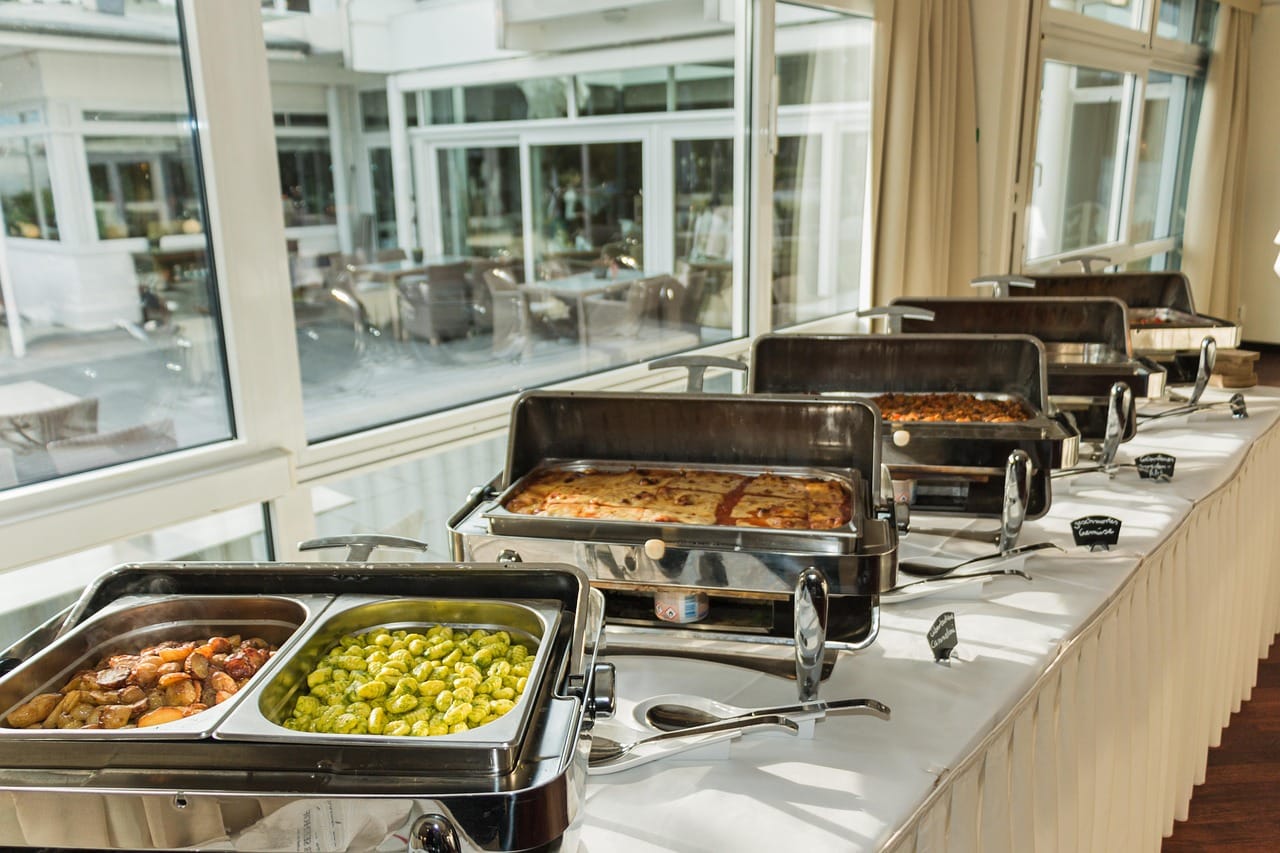
For example, if the chef is to serve the food in plated dinners, the chef does not have to worry about the guests taking too much food at a buffet style restaurant. However, if the chef serves the food as a buffet, there is a chance that the guests will take larger portions of the food. In this case, the chef should increase the portion calculations for the food by fifteen percent to account for this feeding style.
The appetite of the guests is another variable that can be used to calculate the amount of food that should be prepared for the guests. Some guests will have light appetize, while others will have hearty appetize. For guests with light appetize, the chef should decrease the calculations of the portions of the food by fifteen percent.
For guests with hearty appetize, the portion calculations should be increased by twenty-five percent. Other considerations of the preparation of food include the fact that food may be wasted during the serving of the meal. Food portions may become scraps when food is trimmed to remove excess portions of food.
Food waste calculations account for five to twelve percent of the total portion of food that is prepared. Additionally, the amount of food that will be left over after the meal is served to the guests should be considered. If there will be leftovers, the chef should increase the food portions by ten to fifty percent according to the number of meals that will be prepared for the guests and the number of meals that will be consumed.
Base portions are the starting point for all portion calculations. Six ounces of protein is the base portion of protein per person. One cup of grain and one cup of vegetable is the base portion of each of these categories of food per person.
These base portions can be multiplied by the number of guests. The resulting total portion quantities can be adjusted for the type of service and the appetite of the guests. For example, if the chef is to serve six adults a plated dinner with standard appetize, there should be six servings of each category of food.
However, if the chef is to serve the same number of adults a buffet style meal, the chef should increase the total portions of food by fifteen percent to account for the buffet style feeding. Common mistakes when portion planning food for guests includes underestimating the amount of food that will be needed for buffet style restaurants. Another mistake is not accounting for the food portions that is required for children.
People often do not account for food waste and the potential loss of money or food shortage. People also do not plan for the leftovers that will be left after the meal is finished. When meal prepping for the week, an additional fifteen percent of food should be accounted for because meal prep requires food to be prepared in portions for the entire week.
For potluck dinners, there should be an additional eighteen percent of food accounted for in the calculations because it is difficult to know what food the other guests will bring to the party. The presentation of the food can influence the portion of food that the guests eat. For example, when using smaller plates for the guests, the guests will eat less of the food that is plated.
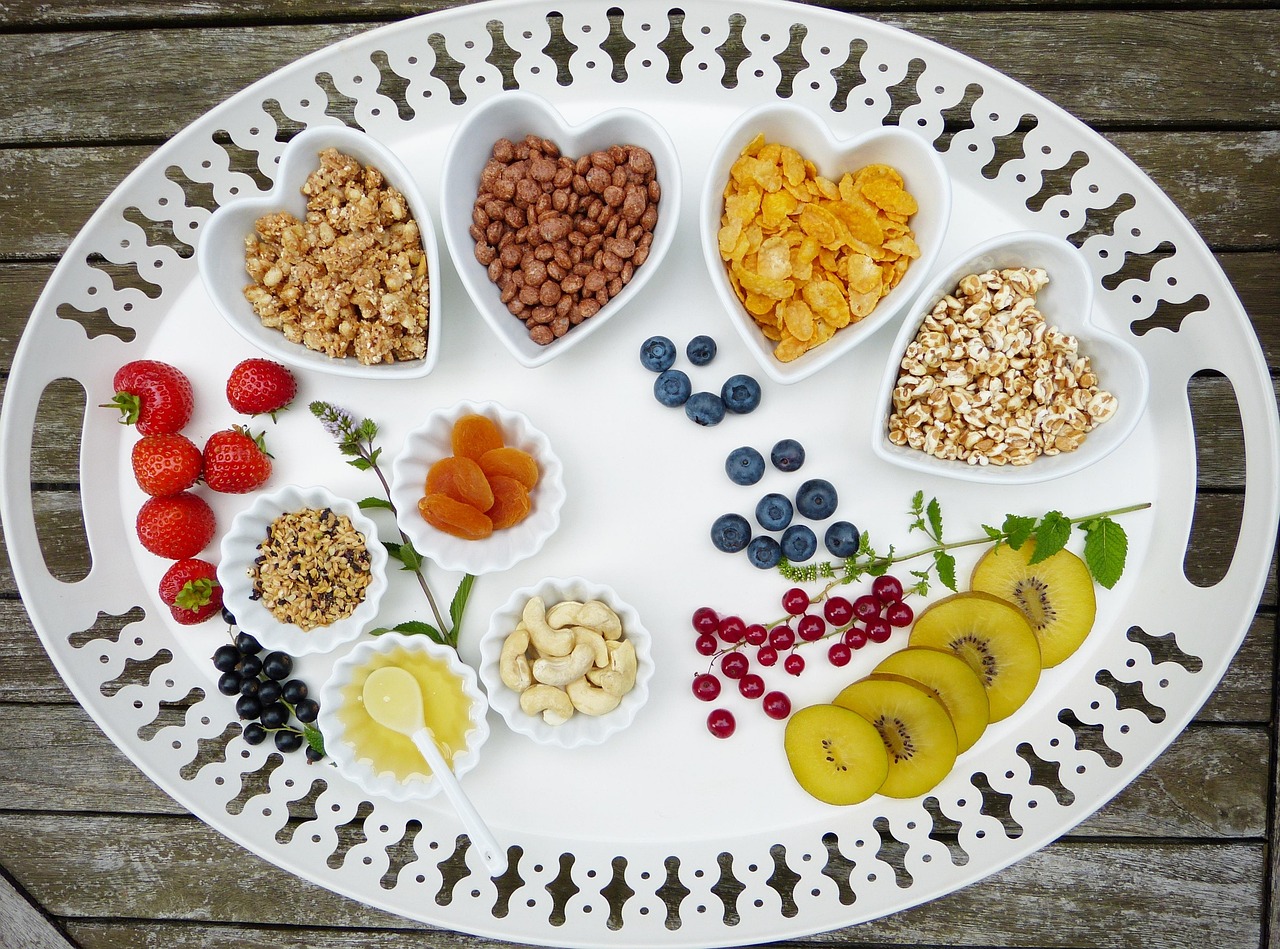
This is especially helpful when serving plated meals for guests who are prone to eating too much at the buffet. For snacks and fruit trays, two ounces of food is the portion of food that should be provided per person. For soups, one and a half cups of soup should be prepared for each guest.
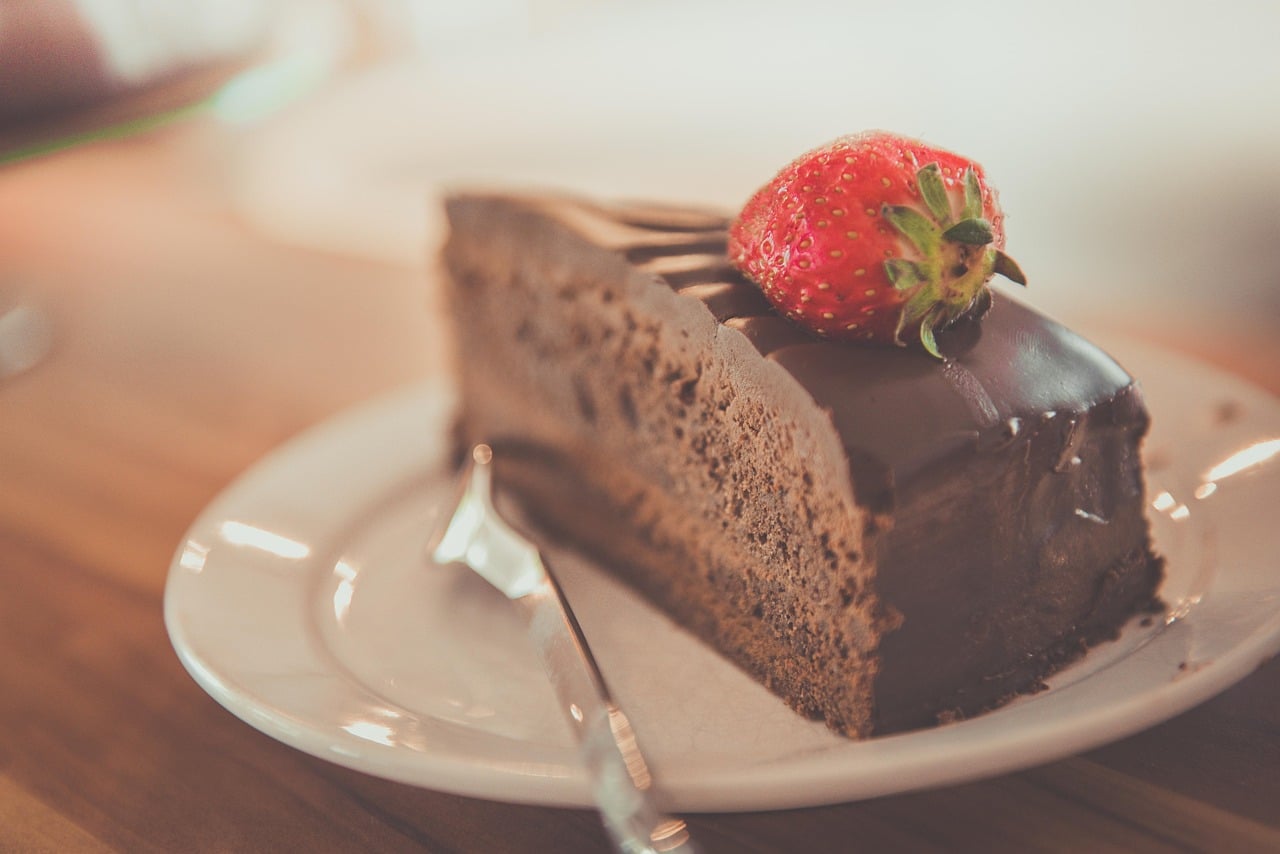
For desserts, one slice of dessert should be provided per guest. However, during the holiday months when preparing food for holiday meals, the portion of dessert per guest should be increased because holiday meals include more food than regular meals. Following these steps and considerations for portion preparation will ensure that there is enough food for each guest while also avoiding waste of food.