Pizza Dough Hydration Calculator
Measure flour, water, salt, yeast, and oil for pizza dough batches with this hydration calculator. Plan dough balls, fermentation, and bake yield fast.
Start with flour weight, set your hydration target, then scale salt, yeast, oil, and dough balls to match your bake plan.
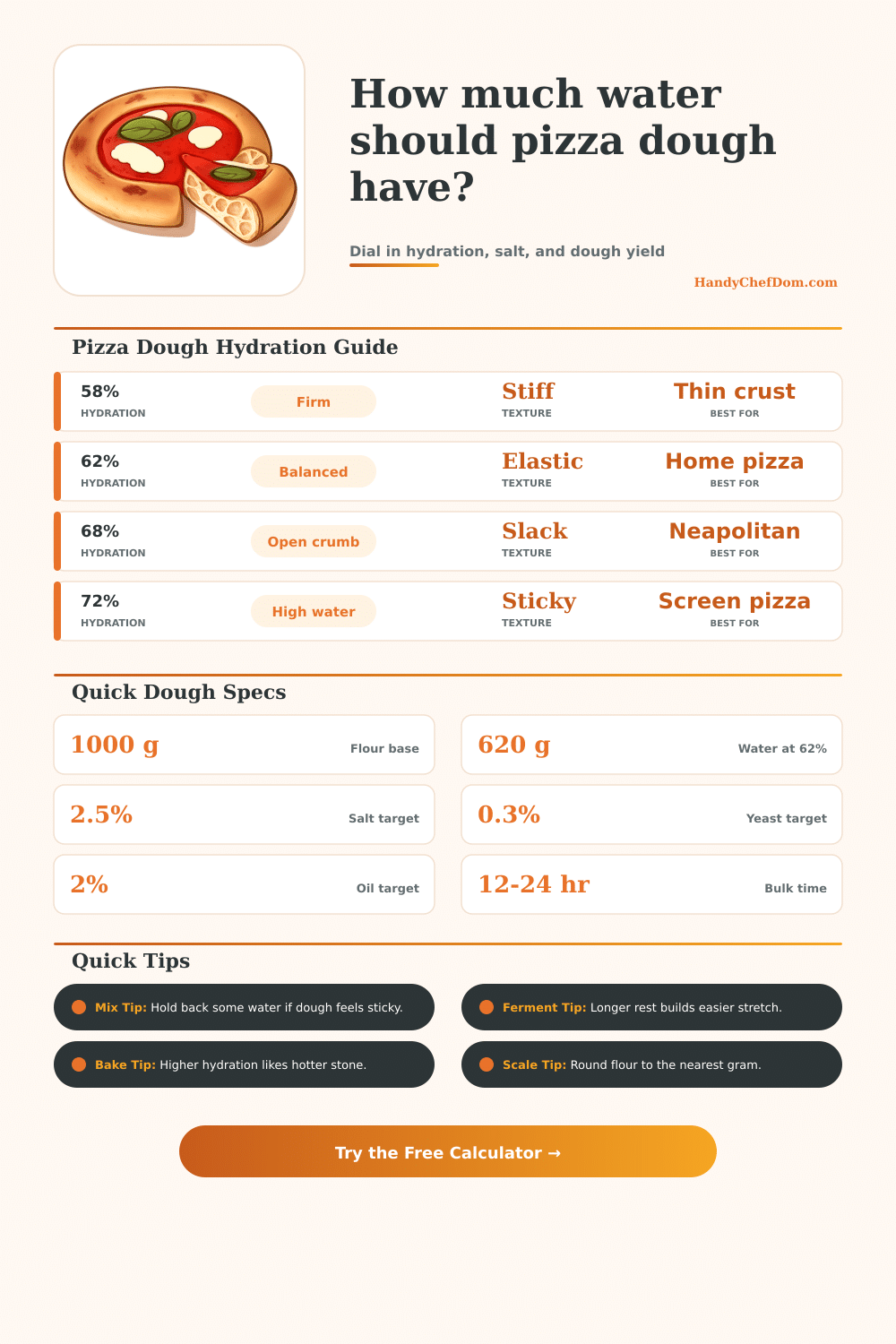
| Hydration | Texture | Handling | Best Use |
|---|---|---|---|
| 58% | Firm | Easy | Thin crust |
| 62% | Balanced | Simple | Home pizza |
| 68% | Open | Sticky | Neapolitan |
| 72% | Slack | Tricky | Screen bake |
| Flour Type | Protein | Absorb | Note |
|---|---|---|---|
| 00 Flour | 11% | 62% | Soft and stretchy |
| Bread Flour | 12.5% | 64% | Strong gluten |
| All-Purpose | 10.5% | 60% | Good balance |
| High Gluten | 14% | 66% | Chewy crust |
| Ball Size | Diameter | Style | Bake |
|---|---|---|---|
| 200 g | 10 in | Thin | Fast |
| 250 g | 12 in | Standard | Home oven |
| 300 g | 14 in | Thicker | Stone |
| 350 g | 16 in | Pan | Longer |
| Ferment | Temp | Flavor | Note |
|---|---|---|---|
| Same day | 72F | Mild | Fast bake |
| Cold | 38F | Deep | More aroma |
| Room | 68F | Round | Watch rise |
| Long | 40F | Complex | Best chew |
Pizza dough hydration are the ratio of the weight of the water to the weight of the flour. The hydration level will determine how the dough behave. Using a low hydration level will result in a firm dough that is more easier to handle but will contain few air bubbles.
Using a high hydration level will result in a sticky dough that is more difficultly to handle but will form an airy texture when baked. A hydration level of 58 percent is considered to be a low hydration level. A hydration level of 72 percent, in contrast, is considered to be high hydration.
Pizza Dough Basics and Baking Tips
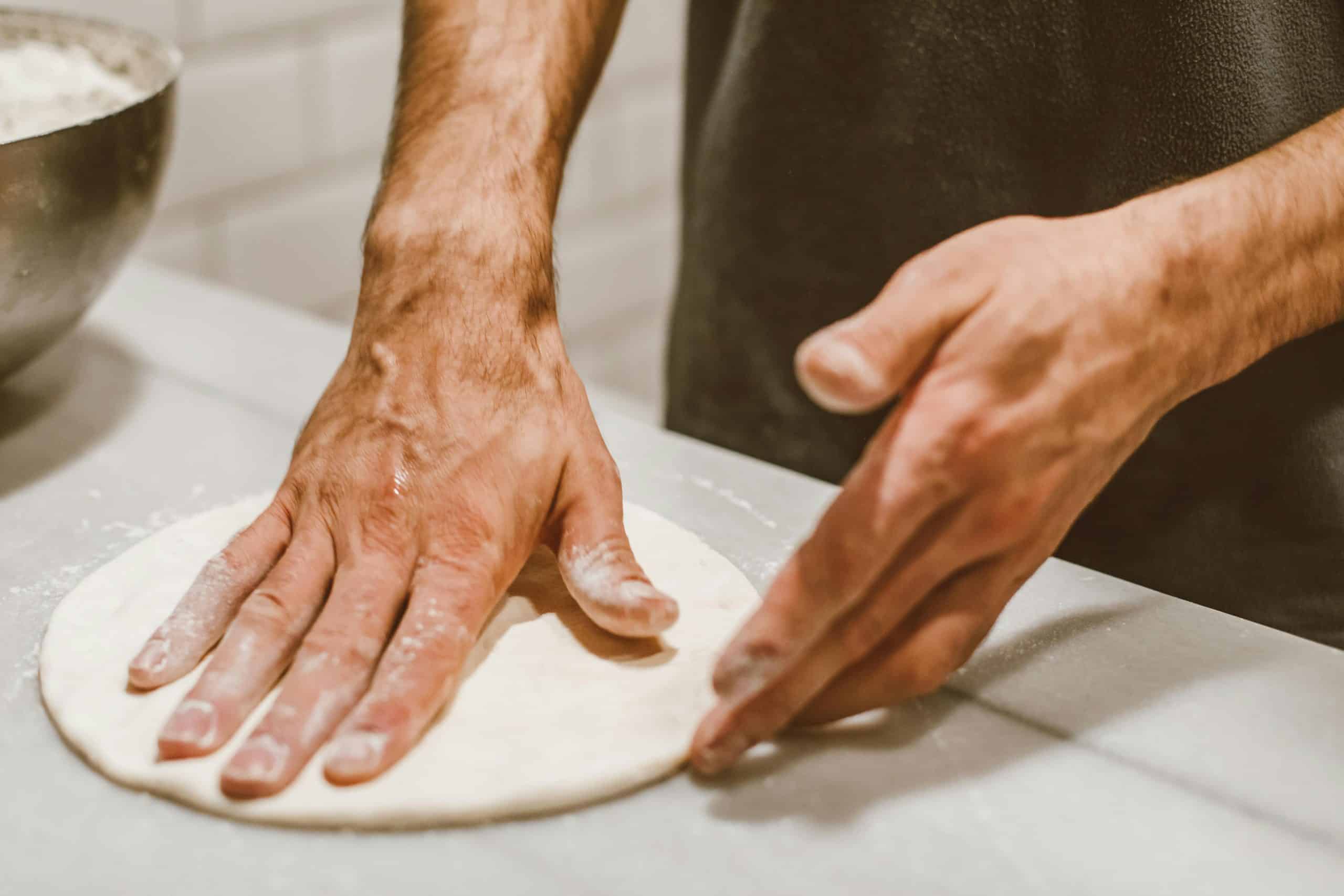
Many cook prefer to use a hydration level between 60 percent and 65 percent. This hydration level is considered to be balanced enough to stretch the dough without need to use a rolling pin. Dough made with a high level of hydration require high temperatures in the oven to bake the dough without it sag.
Therefore, recipes that call for high hydration levels should not be attempted in a standard home oven using relatively low oven temperature. Salt must be added to the pizza dough. Salt account for two to three percent of the total weight of the flour.
The salt strengthen the gluten strands in the dough, controls the fermentation process of the dough, and prevents the yeast from fermenting the dough too quick. Adding too little salt will cause the dough to ferment too quick. Adding too much salt will prevent the yeast from rising from the dough.
Pizza dough also contain yeast that must be measured when preparing the dough. The amount of yeast that is used in long fermentation processes is less than half a percent. Oil can also be added to the pizza dough.
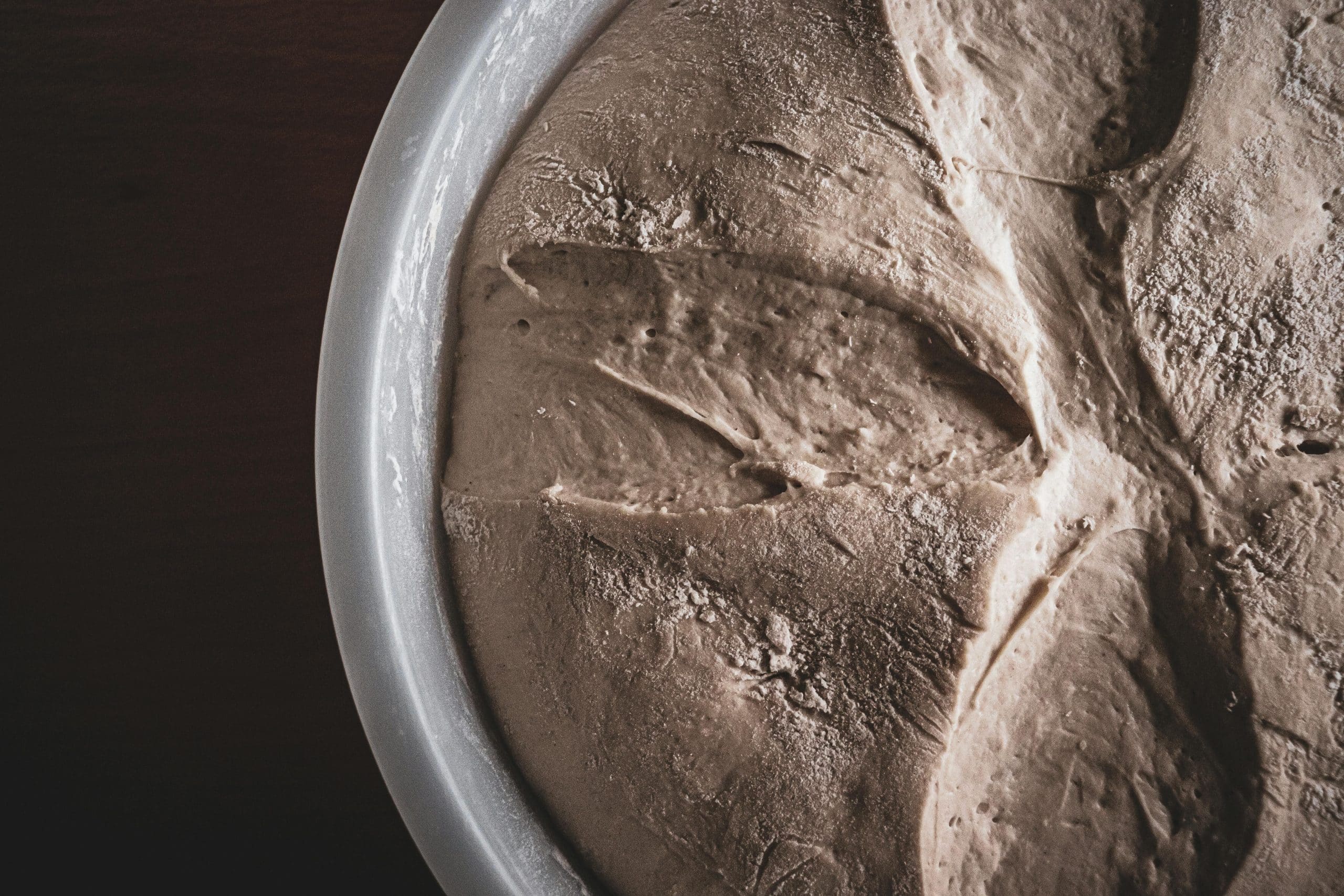
Two percent of the weight of the flour is the typical rate at which oil are added to pizza dough. Oil add tenderness to the dough and makes it easy to stretch the dough. The yeast that is contained in the pizza dough performs the fermentation process.
The temperature at which the dough is fermented will impact the rate at which the dough ferment. If the pizza dough is fermented at 72 degrees Fahrenheit, it will take approximately 18 hours for the dough to fully ferment. If the pizza dough is fermented in a refrigerator at 38 degrees Fahrenheit, it will take approximately 36 hours for the dough to ferment.
Cold fermentations allow the enzyme in the dough to break down the starches in the flour into sugars. This process make the dough easier to stretch. The length of time during which the pizza dough ferment must be planned in advance because the temperature of the room will impact the rate at which the dough rise.
The type of flour that is used in the pizza dough is another critical factor in the dough setting up. Flours absorbs water at different rates. “00” flour is a soft flour that absorbs less water than other type of flour.
“00” flour is used for making high-hydration Neapolitan pizza. Bread flour contain more protein than “00” flour. This type of flour absorbs more water to fully hydrate the gluten and result in a tougher crust.
All-purpose flour is the middle ground in terms of the water that it absorb. Each type of flour react differently to water. Therefore, cooks must test different brands of flour to find out which one work best for their pizza recipe.
Finally, cooks must use bench flour to prevent the dough from sticking to their hand when kneading. However, it should be used sparingly in the recipe for pizza dough. The size of the dough ball will determine the size of the pizza that is created during baking.
Additionally, the size of the dough ball will determine the length of time the pizza will take to bake. A 250-gram ball of dough will create a pizza that is 12 inch in diameter. A 250-gram ball of dough is the standard size for pizzas that are baked in home ovens.
A 200-gram ball of dough can be used to make a thin crust pizza. A 350-gram ball of dough will create a thick pan pizza. Each type of pizza has a different hydration level.
For example, Sicilian and Detroit-style pizzas contain 70 percent hydration because they require a thick crust. There are a few problems that may be encountered in the baking of pizza dough. However, cooks can avoid each of these problems if cooks take a few specific step.
If the dough tends to become too sticky when making pizza, cooks should avoid adding all of the water to the flour at once. Instead, 10 percent of the water should be held back and add gradually to the flour. Over-kneading the dough will destroy the air pocket that the dough will need to rise and spread when baking.
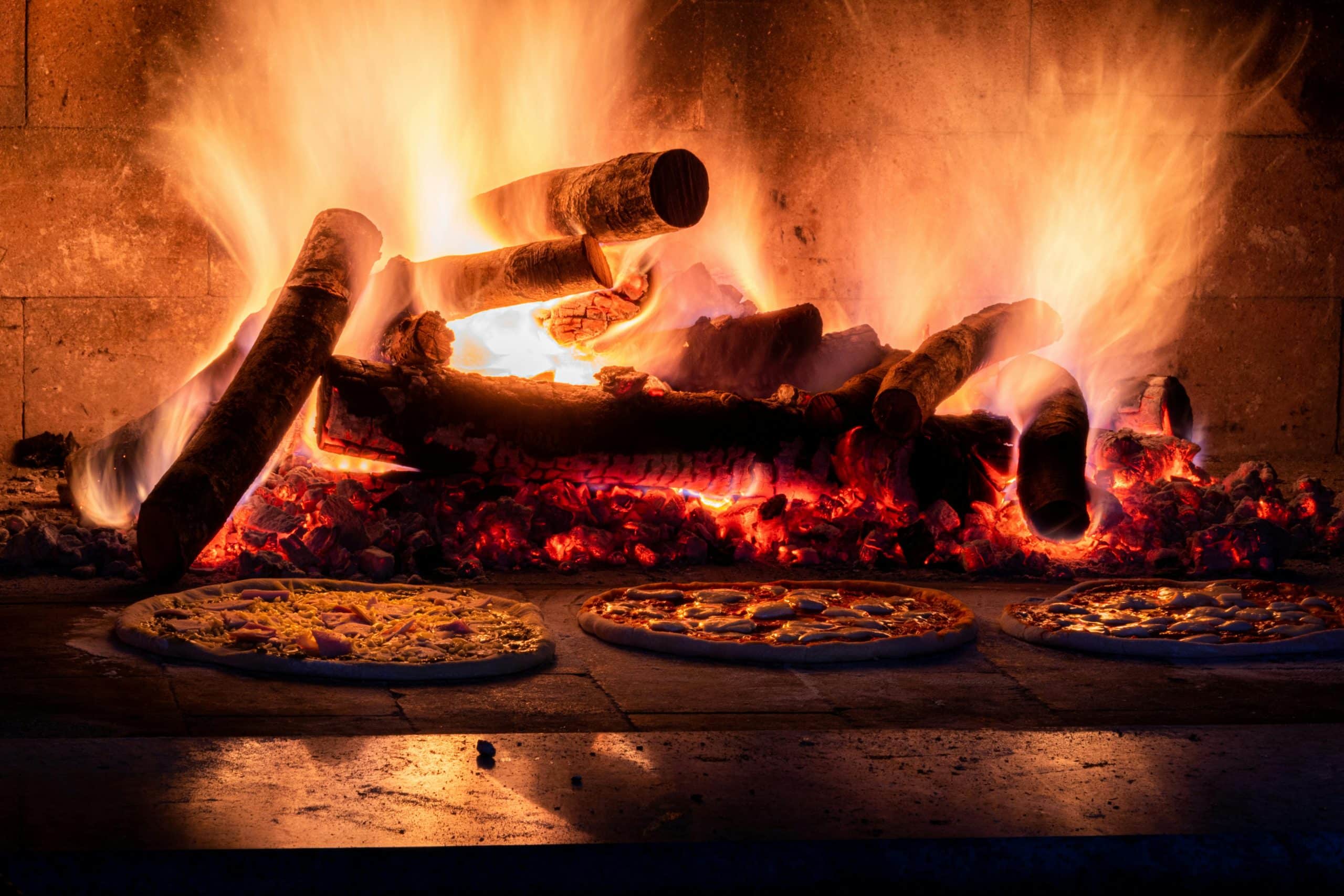
The baking stone must be hot before the pizza dough is placed on the stone; otherwise, the high-hydration dough will steam and sag off of the stone. Finally, cooks of homemade pizza dough should consider the type of oven that is used; gas ovens and wood-fired ovens require different hydration level for the dough to properly bake.