🍕 Pizza Oven Calculator
Calculate oven temperature, bake time, dough weight, sauce, cheese, and preheat targets for wood-fired, gas, home, and countertop pizza ovens.
Pick your oven, crust style, and heat surface. The calculator adjusts dough weight, bake time, and preheat guidance to match the way pizza ovens actually behave.
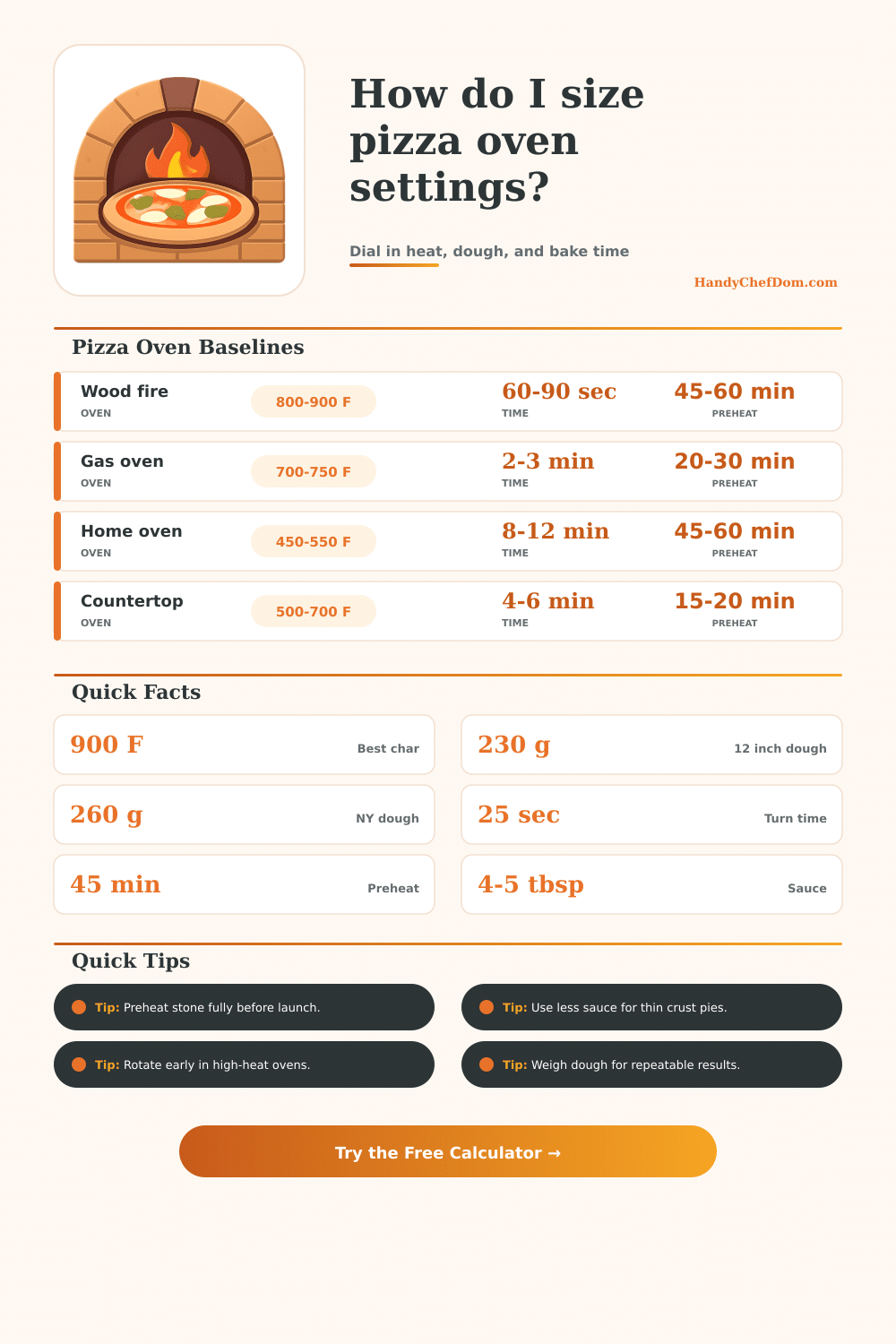
| Oven type | Temp (F) | Temp (C) | Bake time | Preheat |
|---|---|---|---|---|
| Wood-fired | 800–900°F | 427–482°C | 60–90 sec | 45–60 min |
| Gas pizza oven | 700–750°F | 371–399°C | 2–3 min | 20–30 min |
| Outdoor propane | 650–700°F | 343–371°C | 3–4 min | 15–25 min |
| Home oven | 450–550°F | 232–288°C | 8–12 min | 45–60 min |
| Countertop | 500–700°F | 260–371°C | 4–6 min | 15–20 min |
| Portable | 850–950°F | 454–510°C | 60–90 sec | 20–30 min |
| Size | Neapolitan | NY style | Pan / Sicilian | Thin crust |
|---|---|---|---|---|
| 8 inch | 130g | 145g | 190g | 115g |
| 10 inch | 180g | 205g | 265g | 155g |
| 12 inch | 230g | 260g | 340g | 195g |
| 14 inch | 300g | 340g | 440g | 245g |
| 16 inch | 380g | 430g | 560g | 310g |
| 18 inch | 470g | 530g | 690g | 380g |
| Size | Sauce | Cheese | Surface | Launch note |
|---|---|---|---|---|
| 10 inch | 3-4 tbsp | 3-4 oz | Steel | Fast color |
| 12 inch | 4-5 tbsp | 4-5 oz | Stone | Balanced bake |
| 14 inch | 5-6 tbsp | 5-7 oz | Deck | Even bottom |
| 16 inch | 6-8 tbsp | 7-9 oz | Cordierite | Gentler heat |
| 18 inch | 8-10 tbsp | 9-11 oz | Steel | Watch scorch |
| 20 inch | 10-12 tbsp | 11-13 oz | Deck | Long preheat |
To effectively bake a pizza, you must find a balance between the heat of the oven, the thick of the pizza dough, and the rate at which the bottom of the pizza crisps. If you dont manage the relationship between the heat of the oven and the dough for the pizza, you may end up with either a pale and doughy mess, or you may end up with a charred and burnt mess. The method of heating the pizza within the oven can change depending upon the type of oven that is being used to cook the pizza.
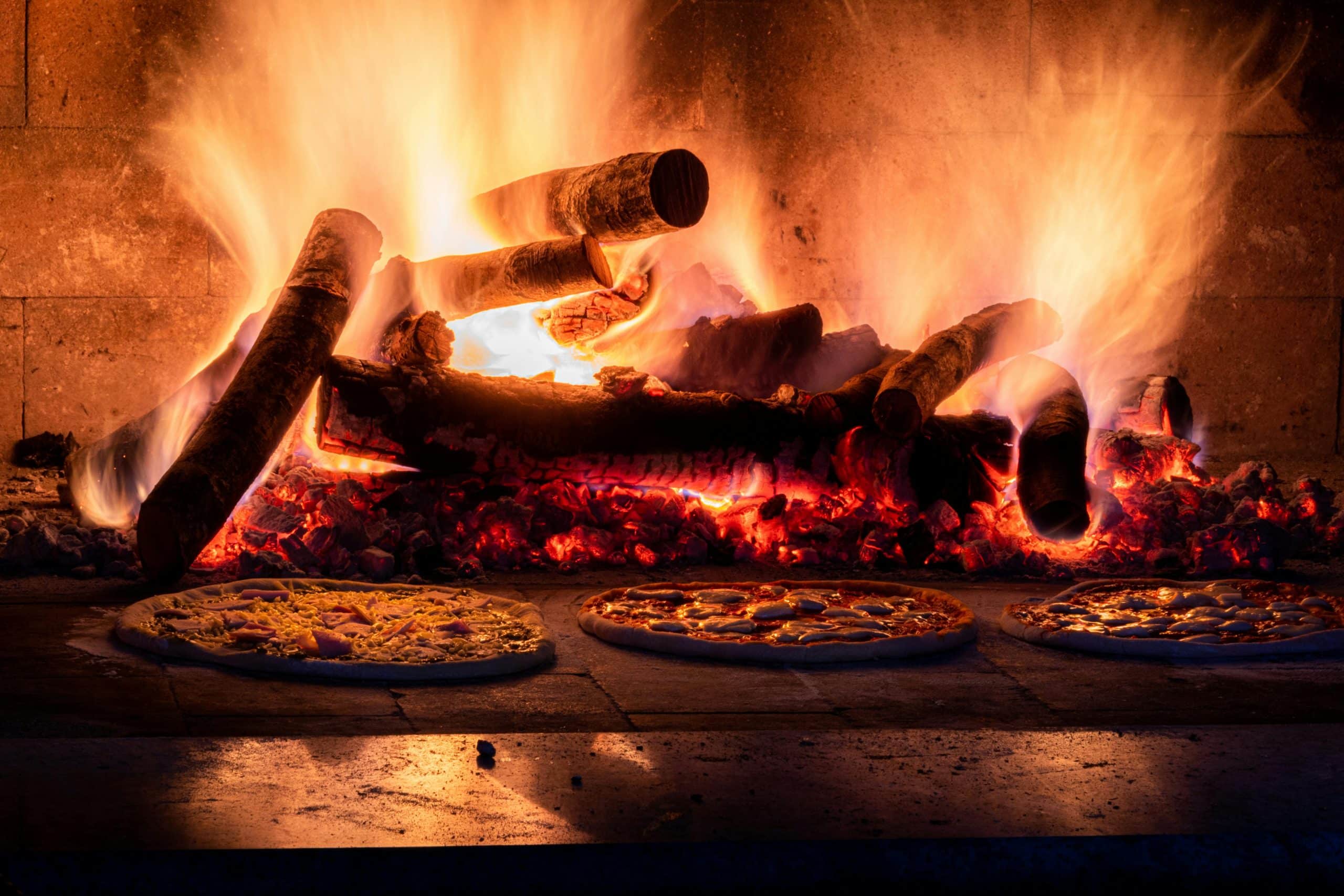
For instance, wood-fired oven use the radiant heat from the coals within the oven to cook the pizza quickly. These types of ovens can cook a Neapolitan style pizza in under two minutes of cooking. Home ovens tend to use convection heat that is slower in cooking the pizza to develop the color of the crust without drying it out.
How to Bake a Good Pizza
For example, home ovens can take ten minutes or more to achieve the same results. The type of cooking area within the oven can also impact how the pizza cooks. For instance, pizza steels can sear the crust of the pizza faster than pizza stones, but pizza stones retain heat to brown the crust.
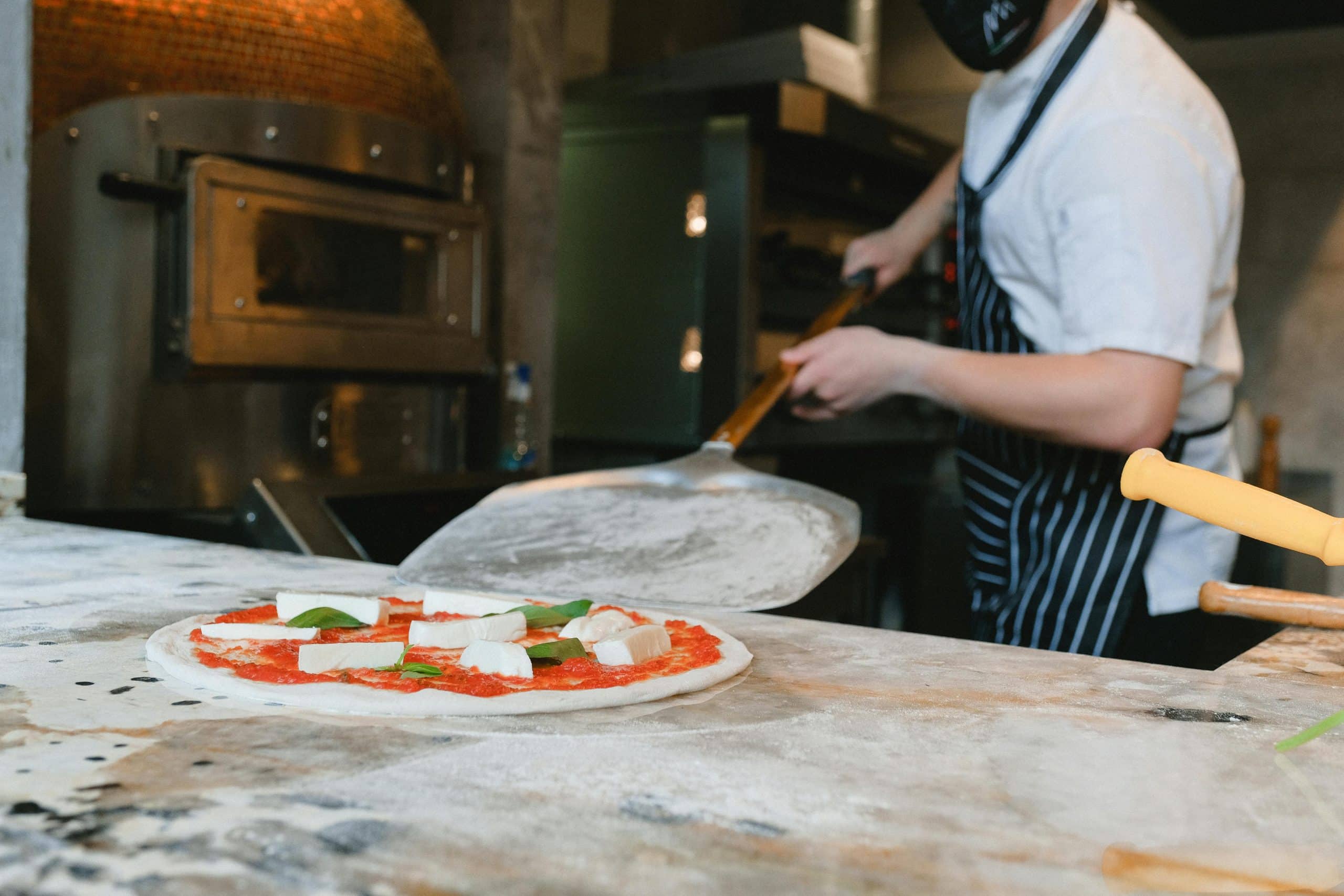
The type and weight of the pizza dough also change with the size and style of the pizza. For instance, a 12-inch New York style pizza contain more dough weight to allow the slices to fold over themselves, as compared to a thin Roman style pizza. Additionally, toppings contain moisture that will allow the crust to steam if added in excess quantity.
Therefore, the fewer the toppings, the faster and crisp the pizza will cook. Understanding your different inputs will allow you to bake your pizzas with consistency. For instance, if you use a wood-fired oven, you will want to aim for floor temperatures of around 850 degrees to char the crust without scorching the dough.
If you use a countertop oven, you will need to use gentler settings for the pizza oven as countertop ovens tend to cycle there heat. Additionally, the type of crust for your pizza will impact the settings for the oven. For instance, a wood-fired oven will require different setting for a Neapolitan style pizza, as compared to a pan-style pizza due to the different type of dough for each style of pizza.
Your desired crust will impact the heat within the oven. For instance, if you would like your pizza to be crispy, you will need to use higher heat within the oven, whereas soft crust pizzas will require the use of lower heat. The size of the pizza that you create will also impact the amount of heat that you use in your oven.
For instance, if the diameter of the pizza or the number of pizzas that you are baking increases, the preheat time for the oven will need to increase to make up for the heat that is lost after launching a pizza. Many people make mistakes when baking pizzas with heat within the oven because they assume that all ovens are created equally. For instance, if you use a propane unit instead of a wood-fired oven, the propane unit will require less preheat time because it heats up much faster than a wood-fired oven.
Additionally, if you use too much heat in your oven and place a pizza with heavy toppings onto the pizza peel, the cheese will pool on the center of the pizza instead of allowing the crust to crisp. To avoid these mistakes, weigh out your dough balls each time you prepare to bake a pizza. Use less sauce when using high heat to cook your pizza, as using too much sauce will make the pizza soggy.
For instance, use a maximum of four tablespoon of sauce for a standard round pizza. Use the same amount of cheese as the amount of sauce. Additionally, rotate your pizza during the last stage of baking.
High heat pizzas will require the pizza to be spun every 25 seconds during this last stage. The environment within the oven and the ingredient for the pizza will impact the crust. For instance, the hydration of the dough can impact the pizza due to the amount of steam that will be created in a wood-fired oven.
However, if the pizza is too wet, the dough may not set well in a home oven due to the lack of heat at the bottom of the oven. The type of flour for the pizza can also impact the weight of the pizza. For instance, bread flour that is high in protein will allow the dough to set well for a 12-inch New York style pizza.
Additionally, the humidity in your kitchen can impact the baking of the pizza. For instance, high humidity can add 30 seconds to the baking time of your pizza. Additionally, the way that you launch the pizza can also impact the crust.
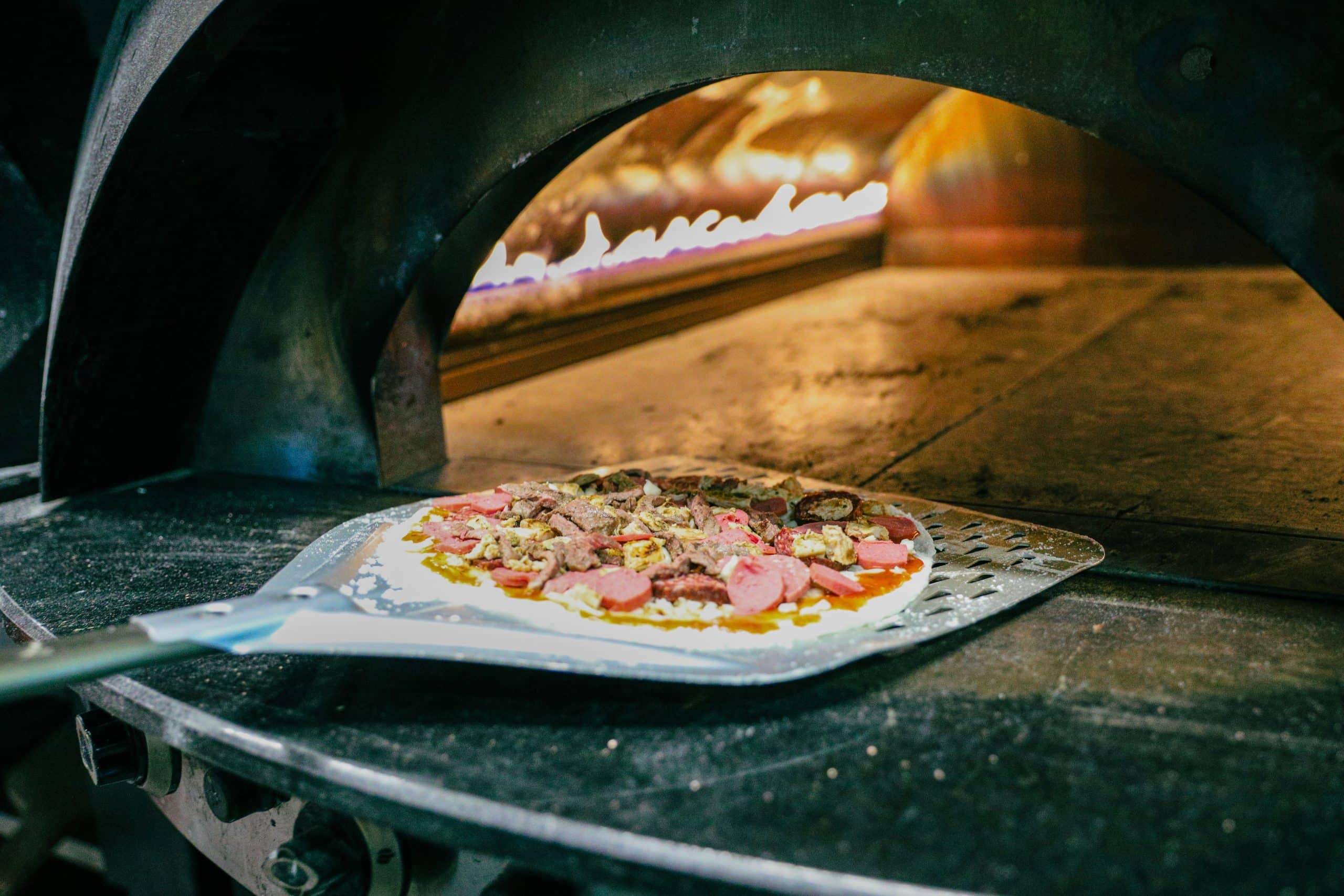
For instance, use a semolina dusted peel to avoid the crust of the pizza sticking to the peel, but do not use excess flour as this will burn during cooking and impart a bitter flavor to the pizza. Finally, observe the characteristics of your oven. For instance, some pizza ovens will run hotter in the back of the oven than the front, and other pizza ovens will cool down quickly when the oven door is opened.
Some of the most common mistake people will make when baking a pizza include skipping the preheat time for the oven and over-saucing the pizza. By skipping the preheat time for the pizza oven, the dough will steam and the bottom of the crust will be gummy. By using too much sauce on a pizza that is cooked in high heat, the acid in the tomatoes will react with the hot crust of the pizza and turn the crust from char to ash.
If you forget to rotate the pizza while it is baking, half of the pizza will be correctly cooked but the other half will be undercooked. Additionally, if you are baking many pizzas in a batch, you will need to allow extra preheat time in anticipation of the drop in oven temperature between each pizza that is launched into the oven. To make baking pizzas easier, substitute some of the heavy meat for vegetables.
If you weigh out your dough balls, preheat the oven, launch the pizza into the oven, and rotate the pizza while it is baking, you will be able to bake consistent pizzas in your oven. It should of been easyer if you follow these steps. Youll recieve a much better crust.