☕ Chemex Coffee Ratio Calculator
Calculate the perfect coffee-to-water ratio for any Chemex size and brew strength
| Brew Strength | Ratio | Coffee per 300ml | Coffee per 600ml | Coffee per 900ml |
|---|---|---|---|---|
| Light / Mild | 1:17 | 17.6g | 35.3g | 52.9g |
| Medium (Standard) | 1:15 | 20g | 40g | 60g |
| Strong | 1:13 | 23.1g | 46.2g | 69.2g |
| Extra Strong | 1:12 | 25g | 50g | 75g |
| Cups (150ml each) | Water | Coffee (g) | Bloom Water |
|---|---|---|---|
| 1 cup | 150ml / 5oz | 10g | 20ml |
| 2 cups | 300ml / 10oz | 20g | 40ml |
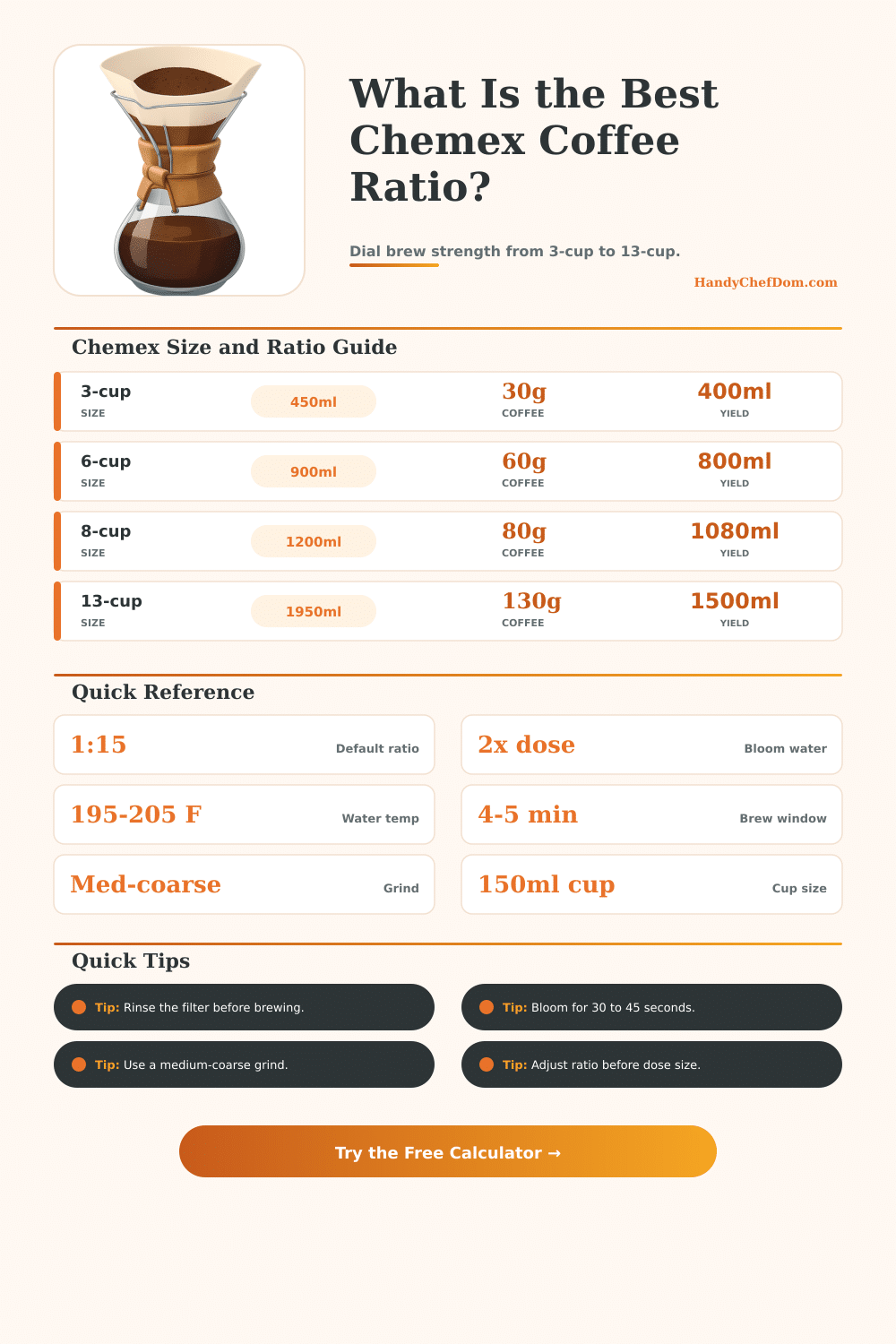
| 3 cups | 450ml / 15oz | 30g | 60ml |
| 4 cups | 600ml / 20oz | 40g | 80ml |
| 6 cups | 900ml / 30oz | 60g | 120ml |
| 8 cups | 1200ml / 40oz | 80g | 160ml |
| Step | Time | Action | Water to Add |
|---|---|---|---|
| 1 - Bloom | 0:00 - 0:45 | Saturate grounds evenly | 120ml (2x coffee) |
| 2 - First Pour | 0:45 - 1:30 | Slow circular pour | ~230ml |
| 3 - Second Pour | 1:30 - 2:30 | Continue circular pour | ~280ml |
| 4 - Final Pour | 2:30 - 3:30 | Top up to total volume | ~270ml |
| 5 - Drip | 3:30 - 4:30 | Allow full drip-through | -- |
| Serve | ~4:30 - 5:00 | Remove filter, enjoy! | Total: 900ml |
In order to brew coffee using a Chemex, it is important to manage the ratio of the coffee grounds to the water. The coffee to water ratio is important in determining the strength and flavor of the brewed coffee. If too little coffee are used with the water, the brewed coffee will be weak.
Conversely, if you use too much coffee in comparison than the amount of water, the brewed coffee will have an excess amount of flavor that can taste bitter. Using various ratios to the coffee grounds to the water will allow for the brewing of coffee of different strength. For instance, a ratio of 1:17 is associated with brewed coffee of light strength, while a ratio of 1:12 is associated with brewed coffee of extra strong strength.
How to Brew Coffee with a Chemex
In addition to adjusting the ratio of coffee grounds to water, Chemex coffee brewers is available in a variety of sizes. For instance, Chemex brewers may come in sizes that are designed to brew 3 cups of brewed coffee (an 3-cup Chemex) or 6 cups of brewed coffee (a 6-cup Chemex). A 6-cup Chemex is able to brew approximately 900ml of coffee, but you should ensure the amount of ground coffee and the amount of water added dont overflow the Chemex.

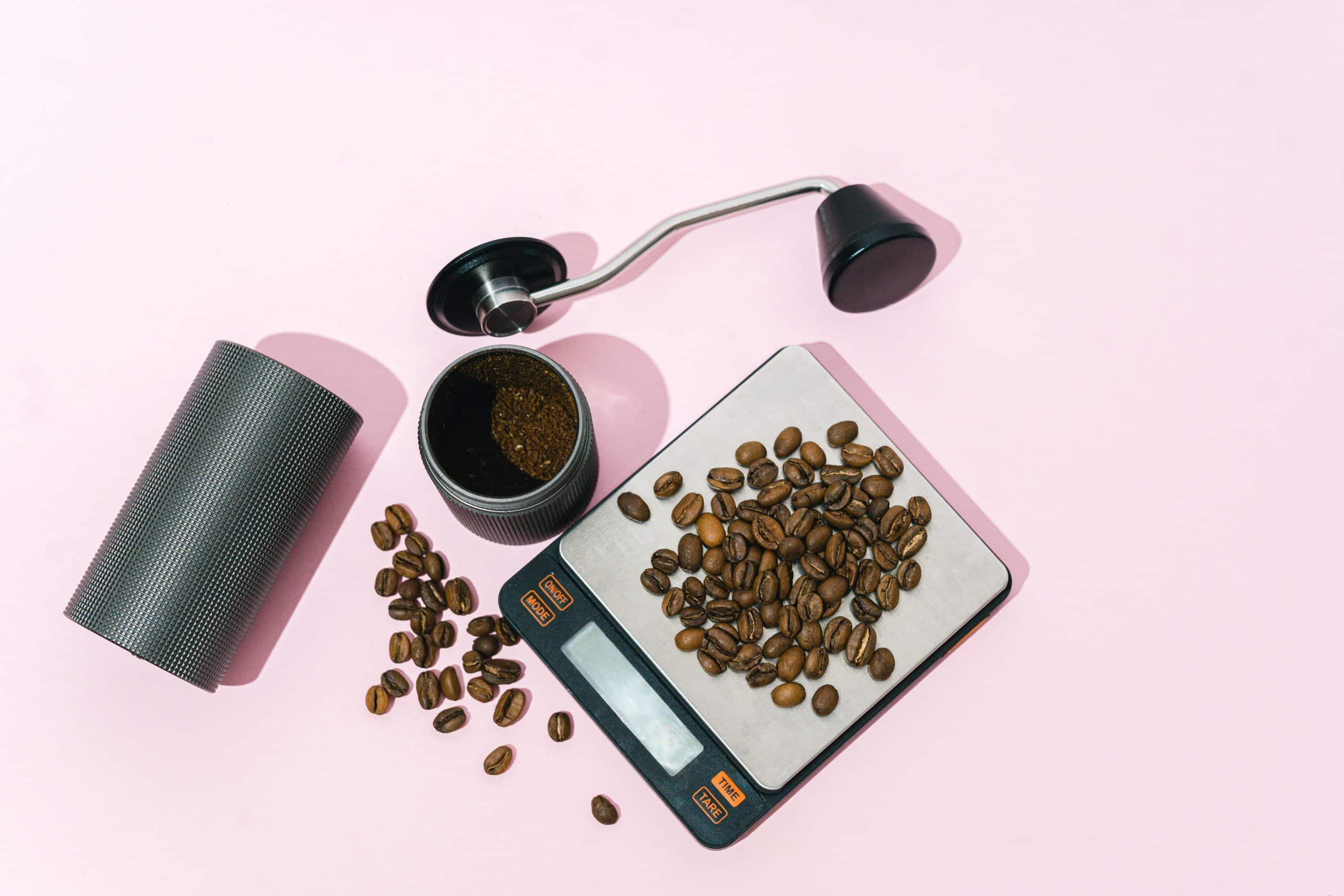
It is recommended to utilize a scale to weigh out the amount of ground coffee and water that will be used in brewing the coffee, as weighing the coffee and water is more accurate than measuring the ingredients with scoops. The weight of the coffee grounds and the amount of water is the two most important measurement for brewing coffee with a Chemex. Another of the steps that you should perform prior to brewing the coffee is grinding the ground coffee.
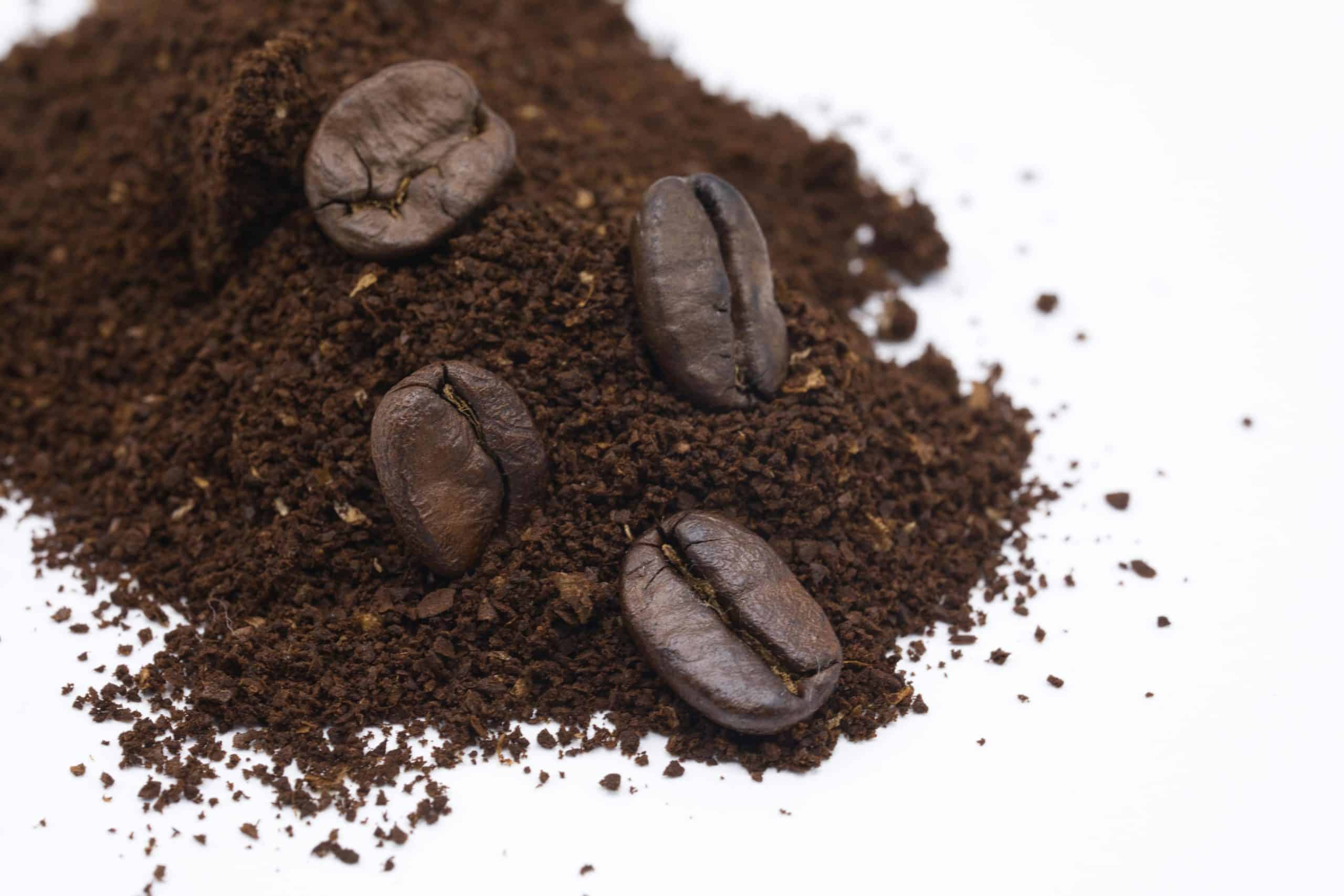
Chemex brewers typically use a medium coarse grind size for the ground coffee. A medium-coarse grind is similar to the texture of sea salt. Coarse ground coffee may allow the water to not pass through the Chemex proper, resulting in a bitter brewed coffee.
Additionally, ground coffee that is too fine may cause the brewed coffee to not extract enough flavor from the ground coffee beans. The temperature of the water that is used for brewing the coffee is also important to the flavor that is extracted from the ground coffee beans. Water should be heated to between 195°F and 205°F; water that is too hot may scald the coffee grounds.
To brew the coffee, you should first rinse the paper filter with hot brewed coffee. Rinsing the paper filter removes the papery taste of the coffee that can be introduced to the brewed coffee, as well as preheats the Chemex made of glass. After rinsing the paper filter, discard the water.
Coffee grounds should be poured into the paper filter after discarding the rinse water. Following addition of the coffee grounds to the Chemex, the brewed water should be poured into the Chemex in an amount that is twice the weight of the weight of the coffee grounds. This initial addition of water is referred to as the bloom.
The bloom allows the coffee grounds to release the carbon dioxide that can become trapped within the coffee grounds; the release of this gas allow for the brewed coffee to extract flavor from those coffee grounds. Following the initial bloom of the coffee grounds, you pour the remaining brewed water into the Chemex in a steady and circular motion. The water should not be poured too quick into the Chemex, and should not create a large peak of brewed coffee at the center of the Chemex.
This process of pouring the brewed coffee in pulses is referred to as pulse pouring. Pulse pouring helps to ensure that the coffee grounds are agitated so that they are evenly soaked in brewed coffee, and also helps to prevent brewing coffee through the grounds in a single path (channeling). Pouring the brewed coffee too quickly into the Chemex indicates that the grounds should be ground finer, and pouring brewed coffee at a slower rate indicates that the coffee grounds should be ground to a coarser texture.
The amount of brewed coffee that the Chemex produces is referred to as the yield. It is possible that the yield will be less than the total amount of water that was brewed and added to the Chemex. Some of the water may become stuck to the coffee grounds.
The size of the cups that brewed coffee is poured into can vary; different sized cups may hold different amount of liquid coffee. If the brewed coffee tastes too thin, you should use more coffee grounds in the brewing process. However, if the brewed coffee tastes too harsh, you should use less coffee grounds in the brewing process.
By utilizing a scale to brew coffee and using the same coffee to water ratio for each brewing session in the Chemex, you can obtain consistent results using the Chemex brewing tool. You should of used a scale to make sure youre getting the best taste. It is alot of work but its worth it.