Coffee Dose Calculator
Set your brew method, ratio, and target cups, then calculate coffee dose, brew water, bloom, and yield with a clean, repeatable workflow.
📌Quick Presets
⚙Dose Controls
The calculator uses grams and milliliters internally, then converts the display when you flip the unit mode.
Coffee dose snapshot
See the dose, water charge, bloom water, and brewed yield in one clean pass.
📑Ratio Guide
| Pot | Water | Basket | Yield |
|---|---|---|---|
| 1-cup | 60 ml | 7 g | 40 ml |
| 3-cup | 150 ml | 14.5 g | 100 ml |
| 6-cup | 300 ml | 22 g | 200 ml |
| 12-cup | 650 ml | 40 g | 430 ml |
| Style | Ratio | Feel | Use |
|---|---|---|---|
| Classic | 1:12 | Balanced | Daily cup |
| Strong | 1:11 | Dense | Short pour |
| Mellow | 1:13 | Softer | Long cup |
| Bright | 1:12.5 | Clear | Light roast |
| Grind | Flow | Heat | Result |
|---|---|---|---|
| Extra fine | Slow | Low | Rich body |
| Medium-fine | Even | Medium | Classic cup |
| Balanced | Open | Med-high | Cleaner cup |
| Slightly coarse | Fast | Low | Brighter |
| Yield | Coffee cups | Small mugs | Use |
|---|---|---|---|
| 90 ml | 1.5 | 0.5 | Solo |
| 150 ml | 2.5 | 0.8 | Two share |
| 220 ml | 3.6 | 1.2 | Family sip |
| 430 ml | 7.1 | 2.4 | Big pot |
🔬Equipment Map
💡Tips
To achieve consistant results from your moka pot, you have to understand the concepts of the dose. The dose represents the mass of the coffee ground that you use in your brew. You must balance the dose with the volume of water that is used.
You should measure the coffee in gram and the water in milliliters to achieve accuracy. Too little coffee will result in a thin taste from your brew. Too many coffee will make the brew bitter and thick.
Make consistent coffee with a moka pot
The ratio of coffee to water should ideally be in the ratio of 1:12. This means that you will combine one part of coffee with twelve part of water. However, you can change this ratio to suit your preference and your moka pot.
The size of the moka pot will determine how much coffee you can brew. Moka pot come in different sizes. They is labelled with the number of cup that they can produce.
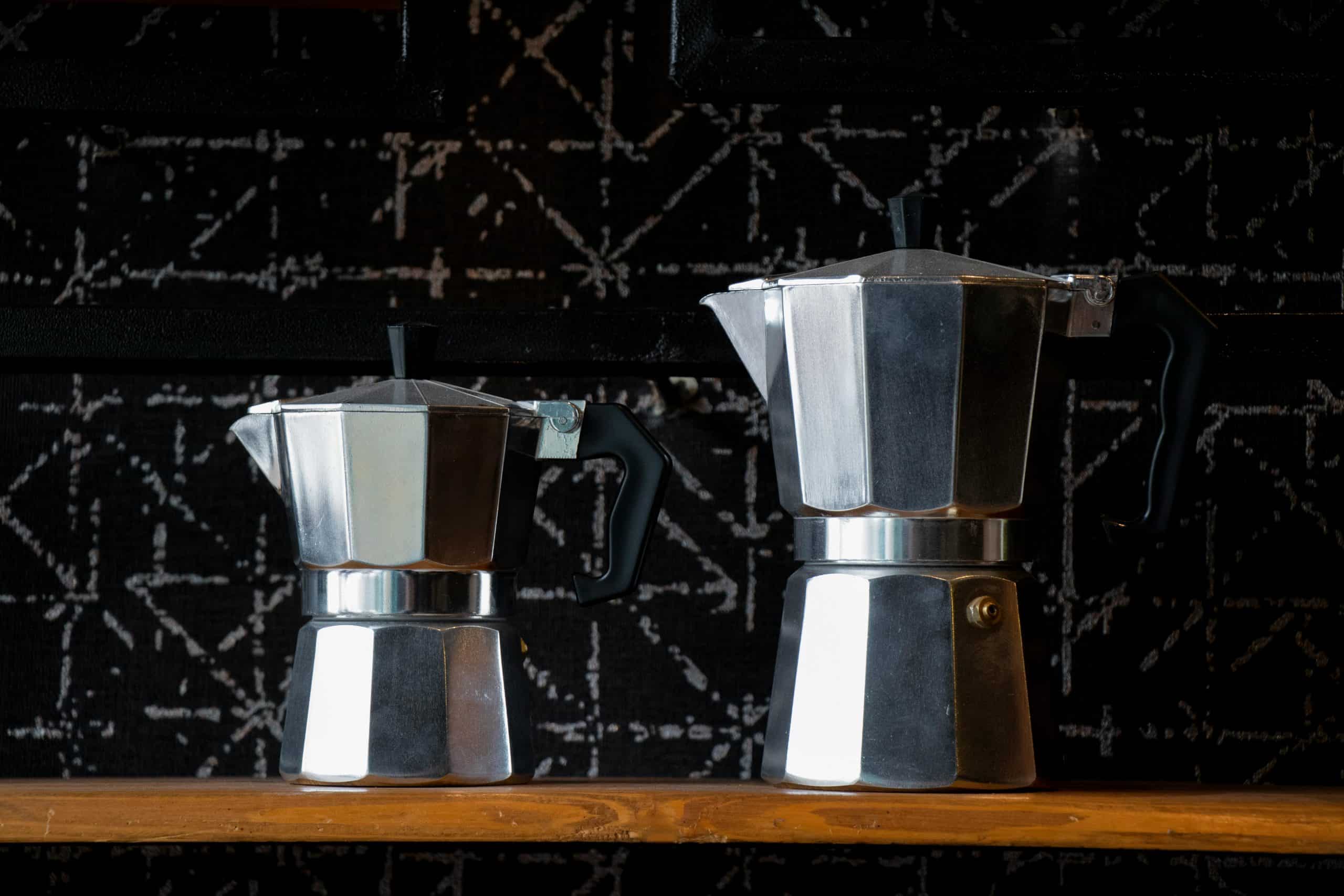
For instance, there are models with three cups of coffee or six cups of coffee. However, the measurement of these models are not necessarily standard measuring cups. A three cup model will contain 150 ml of water when filled up to the safety valve on the moka pot.
Additionally, a three-cup moka pot will produce a specific amount of coffee after the coffee grounds absorb some of the water. Coffee grounds absorbs water during brewing. Coffee grounds will absorb twice their own weight in water.
Some of the water will also steam out of the moka pot during brewing. This steam loss will reduce the total volume of coffee that will be brew. Hence, the total volume of brewed coffee will be less than the initial volume of water that you put into the moka pot.
The grind of the coffee is another factor that will impact your brew. You need to use a medium fine grind when brewing coffee in a moka pot. If you use a fine grind, the coffee grounds may clog the metal filter.
This will prevent water from flow through the coffee grounds. If you use a coarse ground coffee, water will pass through the coffee grounds at a quick rate. This will result in a light flavor from your brew.
You also have to control the heat level at which you are brewing the coffee. Ensure that you fill the coffee basket in the moka pot until the coffee grounds are levelled with the top of the basket. Do not pack the coffee grounds down in the coffee basket as this will make it difficult for the water to pass through the grounds.
Fill the bottom chamber of the moka pot with water until it reach the level of the safety valve. If you put the water level above the safety valve, some of the water may overflow from the moka pot. Depending on the style of coffee that you want to brew, you will have to adjust the dose and the grind of the coffee.
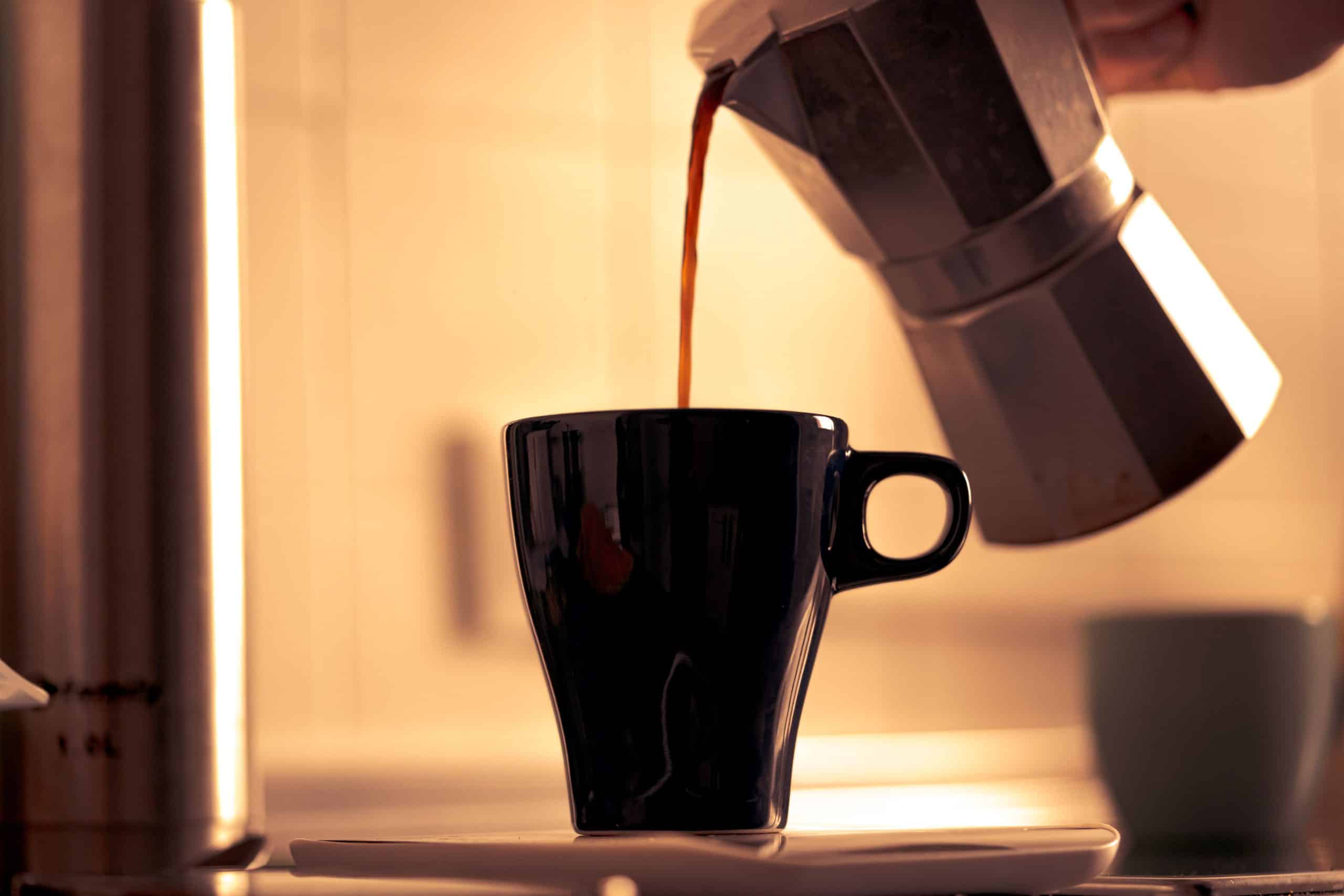
For instance, if you want to brew strong coffee that you can mix with milk, you will need to use more coffee grounds and a fine grind. For instance, if you are brewing iced coffee, you can use a darker roast coffee and brew it at a high heat level. The ability to adjust the dose, the grind of the coffee, and the heat level at which you brew your coffee allows you to control the strength and flavor of your coffee.
Some of the mistake that people make when brewing coffee in a moka pot are by focusing on the volume of coffee brewed instead of the strength of the brewed coffee. For instance, some may add coffee grounds to the basket higher than recommended to brew more coffee. However, this will affect the brewing process and the flavor of coffee.
Some may also use coffee cups that are not suited for the yield of the moka pot. You can avoid this mistake by calculating how much brewed coffee the moka pot will yield in milliliters. This will allow you to determine if the moka pot will produce enough coffee for all the individual who will drink from the cup of coffee brewed in the moka pot.
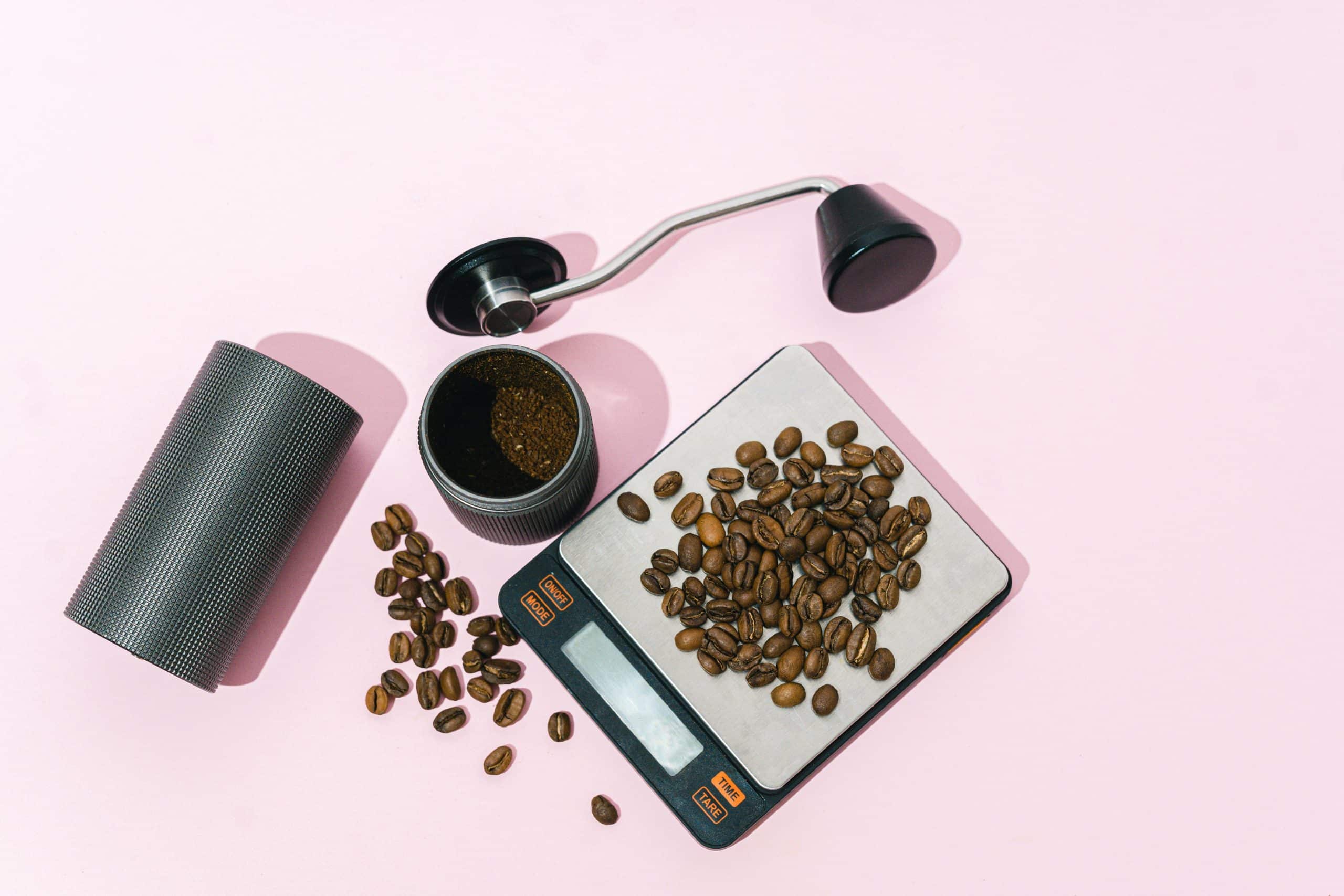
Ensure that you weigh the coffee grounds in grams and the water in the bottom chamber of the moka pot in milliliters. Using a scale will allow you to be accuracy in brewing coffee in your moka pot. Using a scale will ensure that each pot of coffee has the same ingredient and therefore tastes the same.
Some coffee makers may feature a brew that starts off a darker color and ends up becoming a pale brew. When the brew starts to turn to a pale color, you should remove the moka pot from the heat. This will prevent the brew from having a too bitterly flavor.
By monitoring and controlling the dose, the grind of the coffee, the level of water in the bottom chamber of the moka pot, and the heat level at which you are brewing the coffee, you can ensure that every cup of coffee brewed in a moka pot will taste the same.