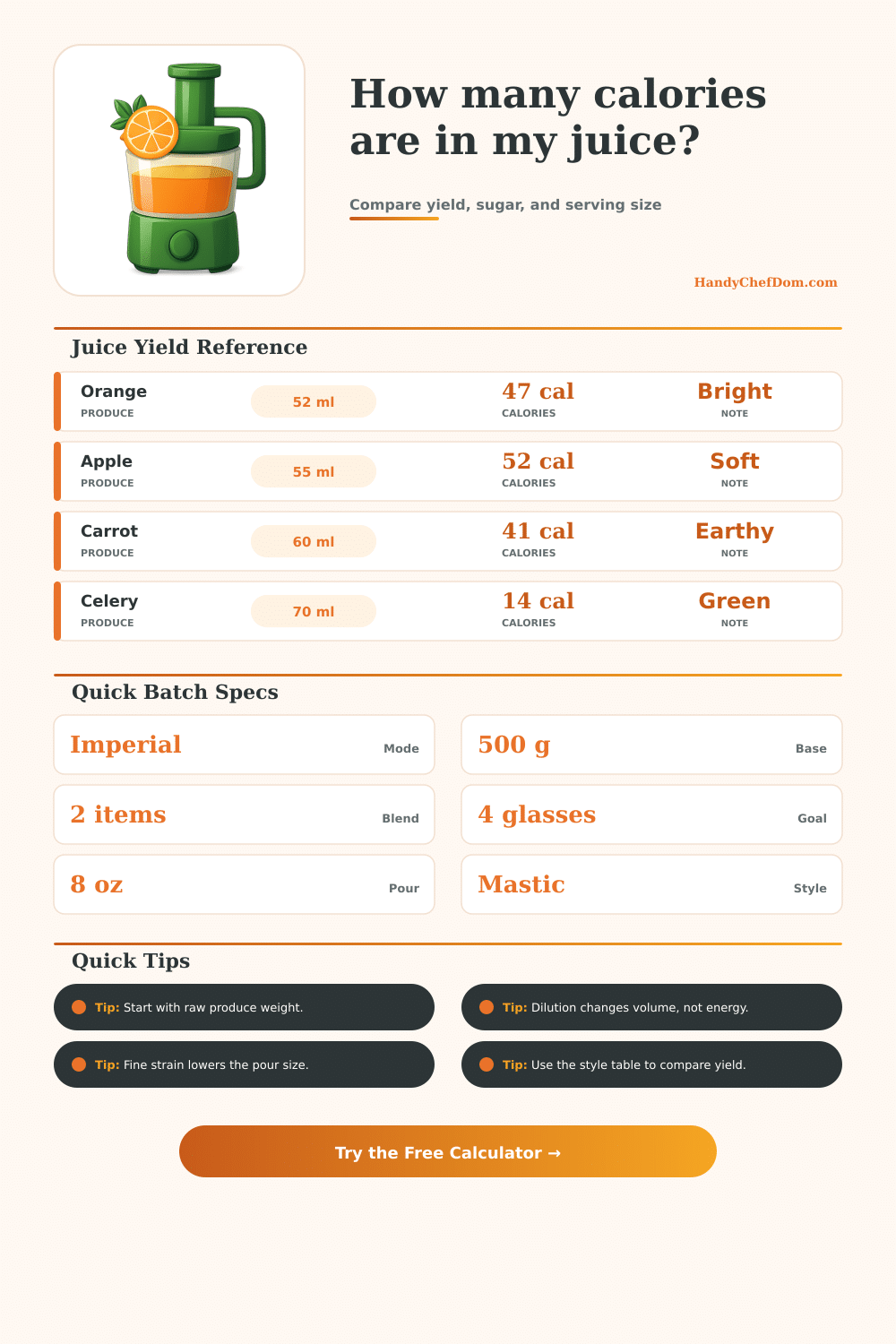
Juicer Calories Calculator
Measure calories, yield, and pour size for fresh juice blends, then compare juicer styles before you build the glass.
Choose the produce pair, then var the calculator translate your batch into calories, volume, and serving count. The blend stays honest to the juice left after the screen and the dilution you pick.
| Produce | Yield / 100g | Calories | Notes |
|---|---|---|---|
| Orange | 52 ml | 47 kcal | Sweet citrus lift |
| Apple | 55 ml | 52 kcal | Round and soft |
| Carrot | 60 ml | 41 kcal | Earthy and bright |
| Celery | 70 ml | 14 kcal | Lean green edge |
| Cucumber | 65 ml | 15 kcal | Cool and light |
| Beet | 55 ml | 43 kcal | Deep ruby body |
| Pineapple | 62 ml | 50 kcal | Tropical sparkle |
| Grapefruit | 50 ml | 42 kcal | Sharp tart finish |
| Tomato | 75 ml | 18 kcal | Savory, fluid pour |
| Ginger | 30 ml | 80 kcal | Use in small hits |
| Juice | 8 oz kcal | Sugar | Key nutrient |
|---|---|---|---|
| Orange juice | 112 | 21 g | Vitamin C |
| Apple juice | 114 | 24 g | Potassium |
| Carrot juice | 94 | 22 g | Vitamin A |
| Beet juice | 70 | 14 g | Nitrate |
| Celery juice | 40 | 6 g | Potassium |
| Cucumber juice | 32 | 5 g | Hydration |
| Pineapple juice | 132 | 25 g | Vitamin C |
| Grapefruit juice | 96 | 20 g | Vitamin C |
| Tomato juice | 41 | 7 g | Lycopene |
| Style | Yield | Pulp | Best match |
|---|---|---|---|
| Centrifugal | 0.92x | Light | Fast fruit batches |
| Masticating | 1.00x | Low | Greens and roots |
| Citrus press | 1.03x | Low | Orange and grapefruit |
| Blender strain | 0.90x | Medium | Mixed fruit blends |
| Steam juicer | 1.08x | Very low | Soft fruit harvests |
| Batch | Input | Output | Cal read |
|---|---|---|---|
| 250 g | 1 cup-ish | 6-7 oz | Light |
| 500 g | 2 cups-ish | 12-14 oz | Small |
| 750 g | 3 cups-ish | 18-20 oz | Medium |
| 1000 g | 4 cups-ish | 24-28 oz | Family |
| 1500 g | 6 cups-ish | 36-40 oz | Crowd |
When you juice produce, you need to understand the relationship between the produce, the juicing method, and the calorie count of the juice. Although many people believes that juice from produce will be low in calories, fresh juice from produce can contain a significant amount of sugar and the calories derived from that produce. When you juice produce, the liquid portion of the produce are extracted.
The liquid portion of the produce contains the sugars and the calories from that produce, while the remaining pulp in the produce contains the fiber and an portion of the calories from the produce. Both the pulp and the yield of the produce when juiced should be accounted for to determine the amount of calories that will come from juicing the produce. The method in which you juice the produce will have an impact upon the amount of juice that is extracted from the produce, as well as the amount of nutrients that is contained within the juice.
How to Count Calories in Juice
For instance, when using a slow masticating juicer, the juicer will ground the produce slow to extract the juice, and the pulp will tend to remain dry due to the slow action of the juicer. In contrast, when using a centrifugal juicer, the centrifugal juicer will spin the produce at high speeds to extract the juice, but the centrifugal juicer may leave some of the nutrients of the produce behind in the resulting pulp since the juicer is too fast for the produce. Adding water to the juice will lead to dilution of the juice, which will increase the number of servings of juice that can be made from a specific weight of produce.
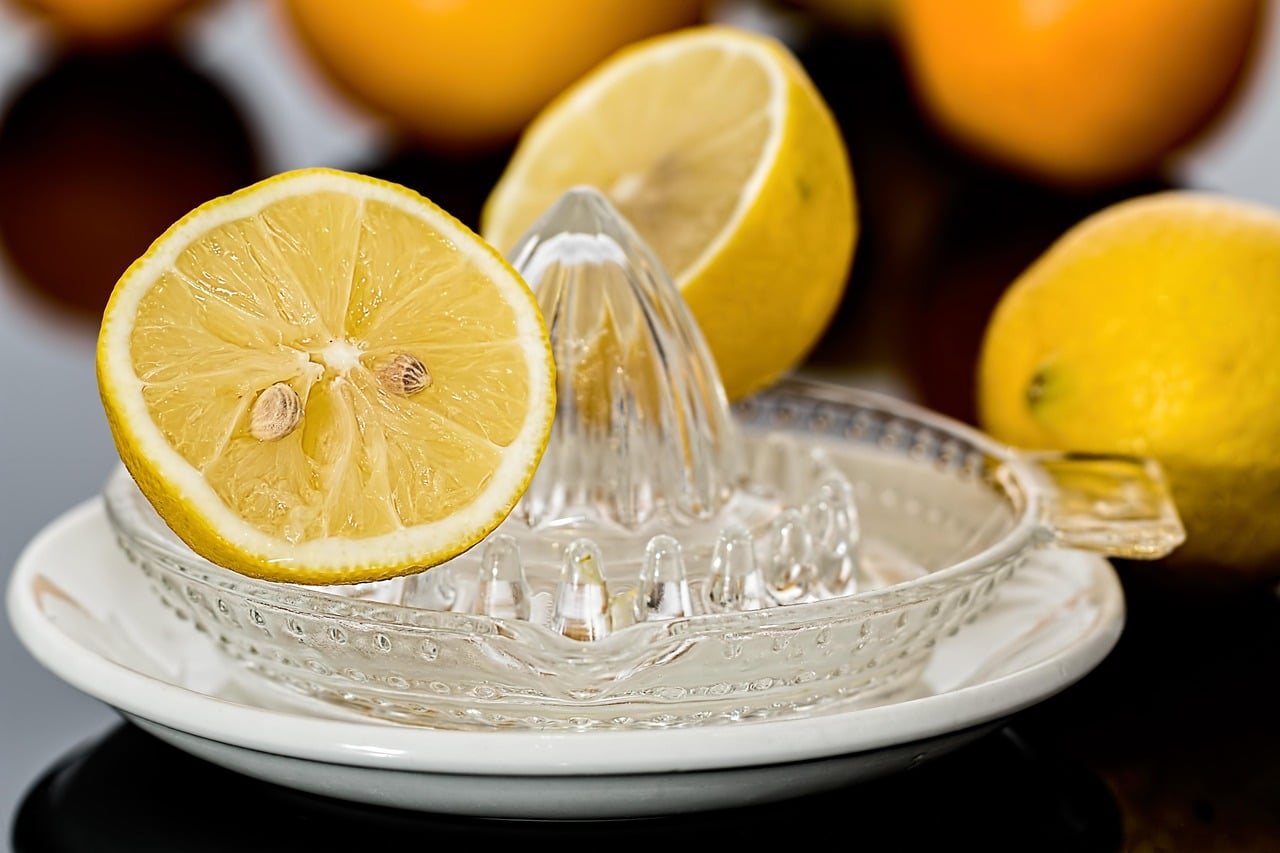
When determining how many calories are in the juice, you should also account for the weight of the produce. For instance, if one pound of oranges is juiced, the total number of calories in that pound of oranges can be calculated. If four servings of orange juice are to be had from that pound of oranges, the amount of calories in each serving will be less then if only two servings were to be drank from that pound of oranges.
The type of produce that is used can also impact the calorie count of the juice. For instance, produce high in sugar, like pineapple, could be blended with produce low in sugar, like cucumber. Such a mixture would lead to a more greater amount of juice created with a lower calorie count per glass of juice.
The type of produce that will be juiced will also have an impact upon the efficiency of the juicing tool. For instance, citrus fruit like oranges and grapefruits are best juiced using a citrus press to extract the juice from the citrus fruits. Root vegetable like carrots and beets are best juiced using a masticating juicer.
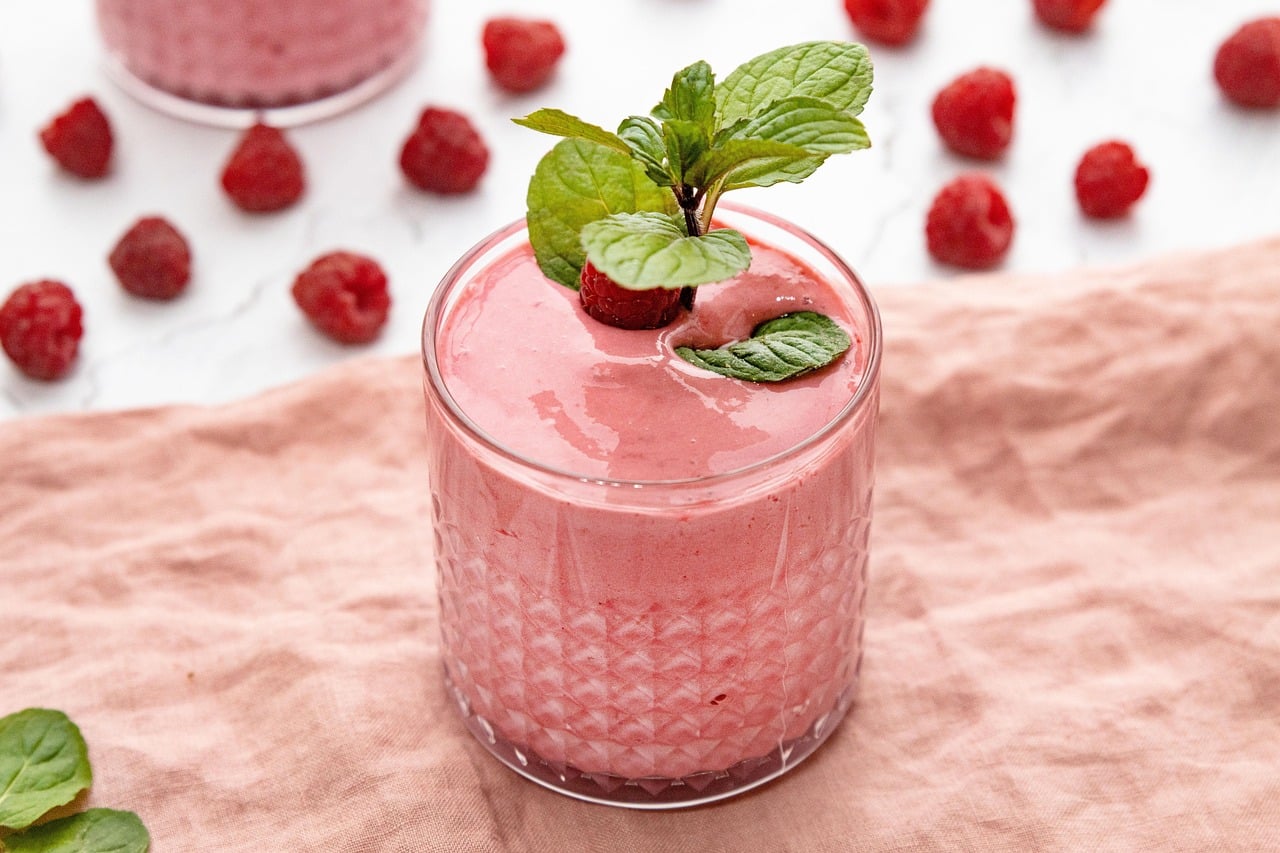
Additionally, if a blender is used instead of a juicer, smoothies can be made instead of juice. Smoothies use the entire produce including the fiber. Thus, smoothies will have a different nutritional value than juice made with a juicer.
In juicing, there are some mistakes that can be made. For example, people often ignore the calories in the pulp of the produce after it is juiced. Additionally, another mistake is to use the wrong type of juicer for the type of produce.
If the goal is to maximize the nutritional value of the produce, the dryness of the pulp should be monitored. If the pulp that is left after the produce is juiced is very dry, it means that the juicer extracted most of the juice and nutrients. However, if the pulp is very wet, the juicer waste most of the juice and nutrients from the produce.
The juice can be stored in glass container and should be stored in a chilled environment to extend the shelf life of the juice. The juice should be consumed within one day. However, if juicing more than enough juice to drink in one day, the juice can be frozen in portion for later use.
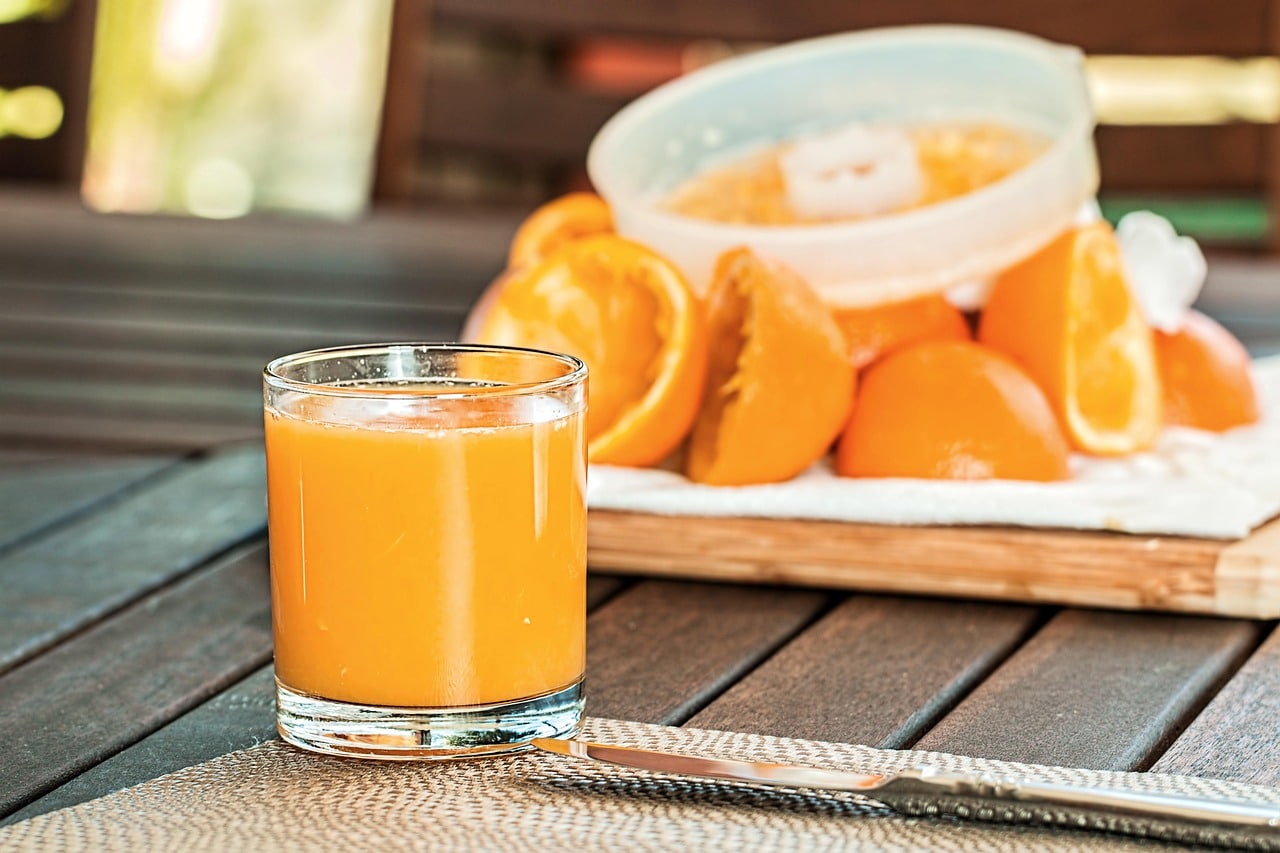
By keeping track of the weight of the produce and the amount of juice that comes from the produce, individuals can manage the calories from juice that they consume throughout the day. Through planning juice recipes and juicing produce, individuals can ensure that they know how many calories are contained in every glass of juice.