🥒 Pickle Brine Calculator
Calculate exact salt, vinegar & water ratios for any jar size or batch
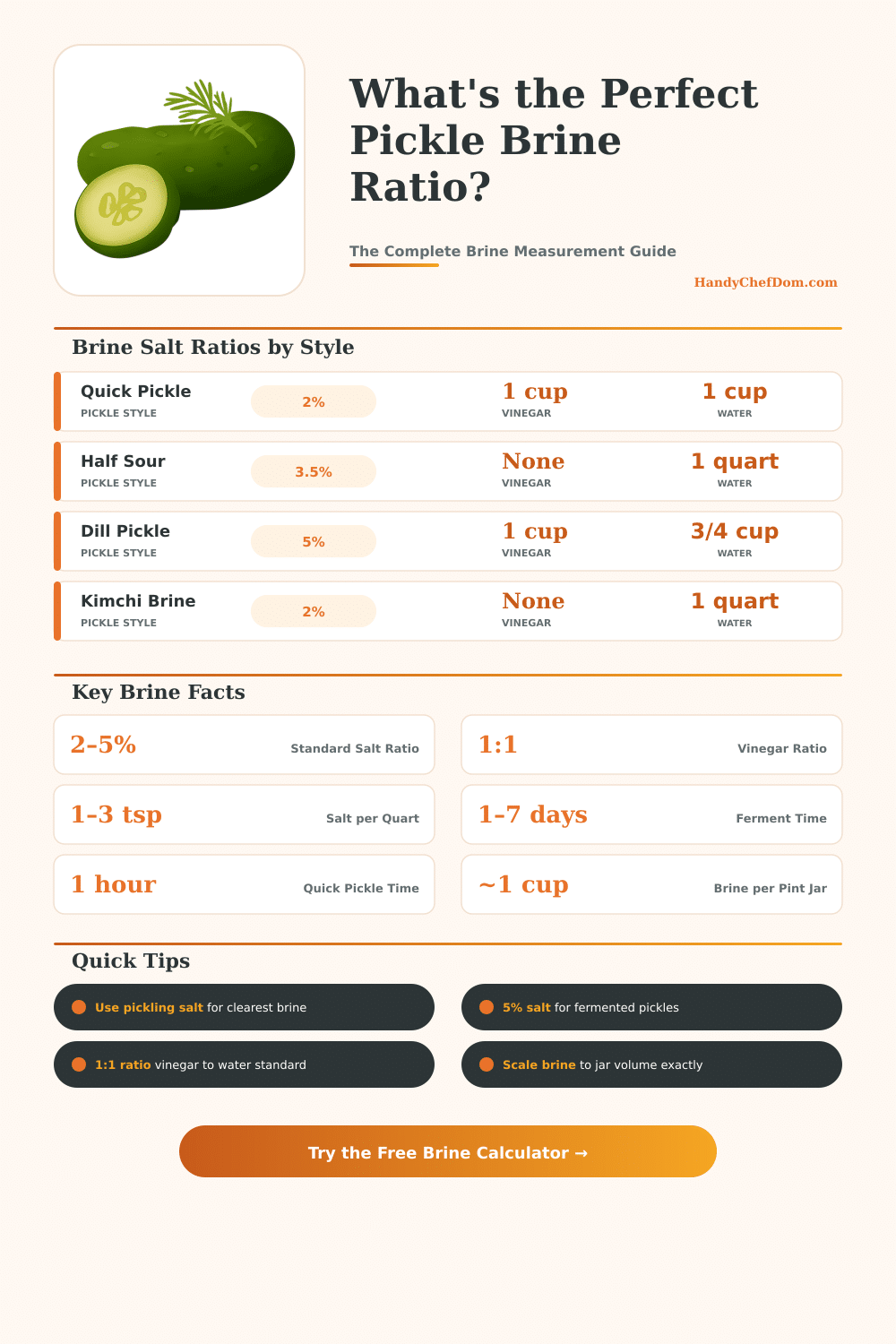
| Pickle Style | Salt % | Vinegar Ratio | Vinegar:Water | Best For |
|---|---|---|---|---|
| Quick / Fridge | 1–2% | 50% | 1:1 | Cucumbers, onions |
| Classic Dill | 3% | 50% | 1:1 | Dill pickles, peppers |
| Half Sour | 3.5% | 0% | Water only | Cucumbers (short ferment) |
| Bread & Butter | 2% | 60% | 3:2 | Sweet cucumber slices |
| Fermented (Lacto) | 5% | 0% | Water only | Sauerkraut, kimchi, pickles |
| Spicy Pickle | 3% | 50% | 1:1 | Jalapenos, habaneros |
| Kimchi Brine | 2% | 0% | Water only | Cabbage, radish |
| Canning / Processing | 3–5% | 50% | 1:1 | Long shelf-stable pickles |
| Salt Type | 1 tsp Weight | 1 tbsp Weight |
|---|---|---|
| Pickling Salt | 6g | 18g |
| Fine Sea Salt | 6g | 18g |
| Morton Kosher | 4.8g | 14.4g |
| Diamond Kosher | 2.8g | 8.4g |
| Table Salt | 6g | 18g |
| Volume | fl oz | mL |
|---|---|---|
| 1 tsp | 0.17 | 4.9 |
| 1 tbsp | 0.5 | 14.8 |
| 1/4 cup | 2 | 59.1 |
| 1/2 cup | 4 | 118.3 |
| 1 cup | 8 | 236.6 |
| 1 pint | 16 | 473.2 |
| 1 quart | 32 | 946.4 |
| 1 gallon | 128 | 3785 |
| Jar Size | fl oz | Cups | mL | Usable Brine* |
|---|---|---|---|---|
| Half Pint (Jelly) | 8 | 1 | 237 | ~5–6 fl oz |
| Pint | 16 | 2 | 473 | ~10–12 fl oz |
| Pint & a Half | 24 | 3 | 710 | ~16–18 fl oz |
| Quart | 32 | 4 | 946 | ~22–24 fl oz |
| Half Gallon | 64 | 8 | 1892 | ~44–48 fl oz |
| Gallon | 128 | 16 | 3785 | ~90–96 fl oz |
| Vinegar Type | Acidity % | Flavor Profile | Best Use |
|---|---|---|---|
| Distilled White | 5% | Sharp, neutral | Classic pickles, canning |
| Apple Cider | 5% | Mild, fruity | Bread & butter, fruit pickles |
| Rice Vinegar | 4–4.3% | Delicate, sweet | Asian-style quick pickles |
| White Wine | 5–7% | Floral, complex | Gourmet vegetable pickles |
| Red Wine | 5–7% | Bold, tangy | Red onions, beets |
| Malt Vinegar | 4–8% | Malty, robust | British-style pickles |
pickle brine works surprisingly well at home. Simple recipe requires only four main items and around 20 minutes of close work. The most basic method uses ratio 3:2:1 that ensures fast and sure pickling.
Vinegar, water and salt form the main items. White vinegar helps to keep everything clear and avoid coloring the cucumbers, while apple cider vinegar gives a bit different brine, even though it brings separate flavor and can color the cucumbers brown. Use sea salt or kosher salt, but avoid anything with iodine.
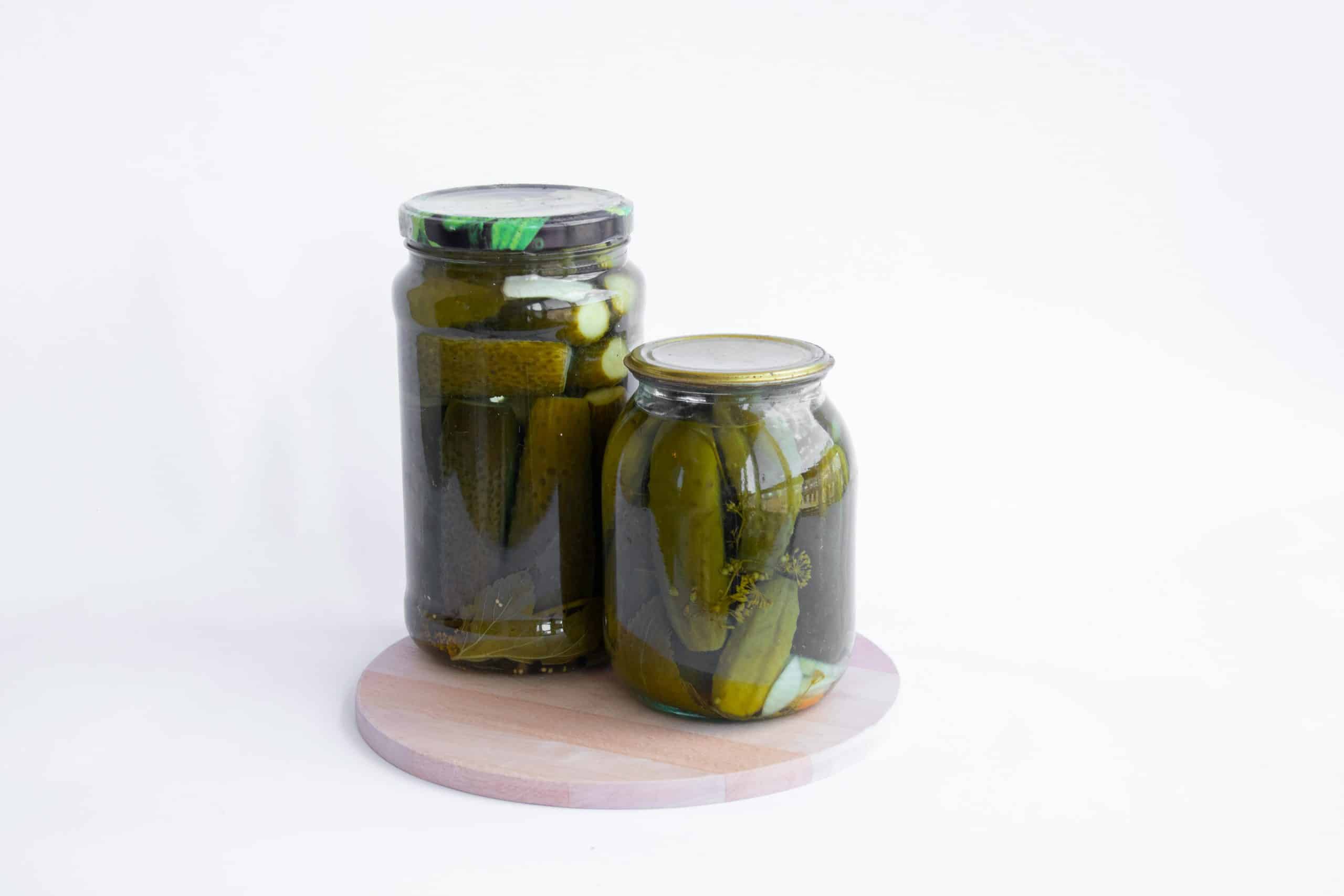
Simple Pickle Brine Recipe and Uses
Sugar stays optional, it simply adds a touch of sweet. If you want sweeter pickle, rice vinegar with sugar works very well.
To prepare the brine, mix all items in a saucepan over medium-high heat. Stir until the liquids warm so that salt and sugar fully dissolve. When the liquid starts to boil, turn off the heat.
Even so, the brine does not necessarily boil. It is enough that it warms to settle the sugar. Hot brine pickles the stuff a bit more quickly and helps to break the structure of denser or tough vegetables and fruits.
Pour the warm brine over the vegetables and spices in the bowl. Make sure that everything sits under the liquid. Leave the mix too cool until room temperature, later cover the bowl with a lid and lay in the refrigerator.
After three days, the homemade pickles already will be ready. To reach more crispness, avoid too much heat, because it destroys the crunch. A good trick is to cool the brine before pouring it on the cucumbers, or warm the spices in vinegar and later add the water iced.
Herbs and spices really change everything. Fresh dill, parsley, rosemary, thyme or oregano work well together. Dried or fresh chili peppers add heat.
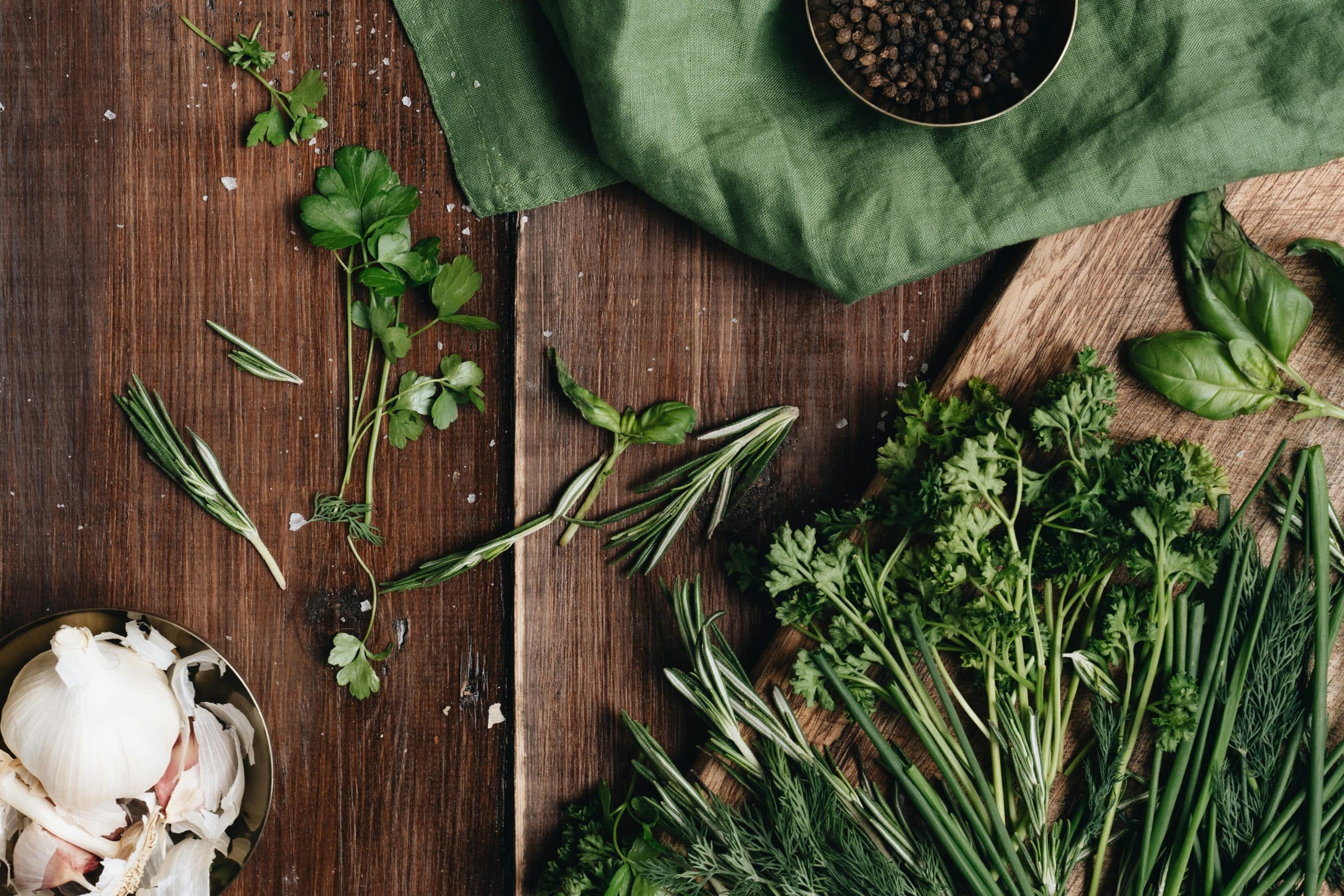
Premade mixes for pickle spices from the store simplify the process. Even so, do not boil the herbs together with the brine.
Leftover pickle brine offers many options. It works as brine for chicken, that softens the meat without too strong pickle taste. Quick brine for chicken can give less firm textures, so use it for dishes that do not need time.
Add it to soup as a simple way to improve the taste without adding whole pickled vegetables. Mixed in the cooking water for potatoes or rice, it brings clear tasty charm. Also it can replace vinegar in various recipes.
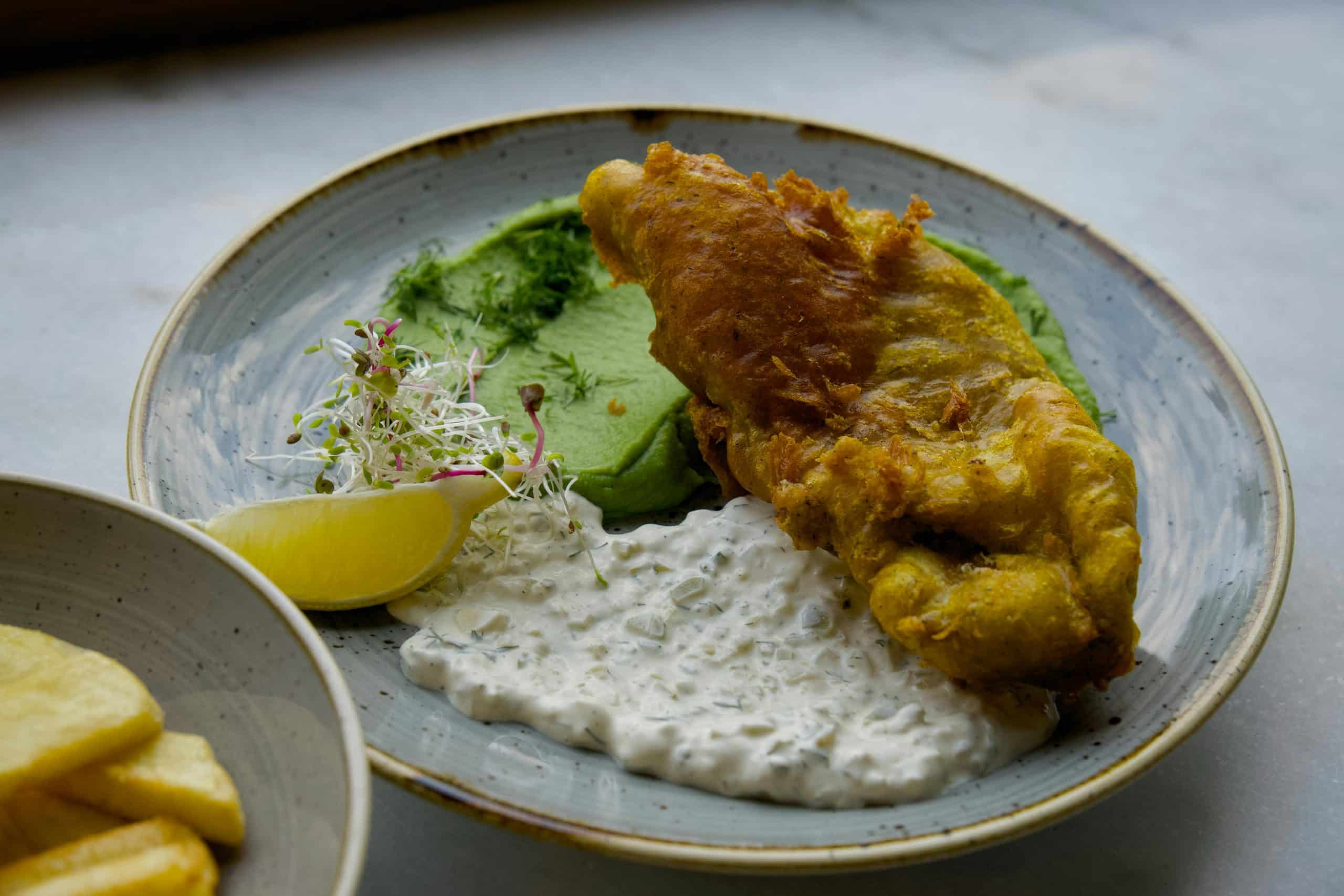
Combined with mayo and sriracha, it creates a sauce great for topping fried fish or fries. The vinegar and salt in the pickle brine help to reduce the harshness of whisky, so pickle juice works well as accompaniment. Pickle brine is also used inbaking, it brings a tangy touch to natural risen bread or rye bread.