🧂 Seasoning Calculator
Calculate the right amount of salt, spices, and herbs for any food by weight
| Food Type | Salt % | Total Seasoning % | Method |
|---|---|---|---|
| Red Meat (steak, roast) | 0.8–1% | 1.5–2.5% | Dry rub, direct |
| Poultry | 0.7–0.9% | 1.2–2% | Dry rub, under skin |
| Fish / Seafood | 0.5–0.7% | 0.8–1.5% | Light direct season |
| Roasted Vegetables | 0.6–0.8% | 1–2% | Toss in oil + spices |
| Soup / Stew | 0.3–0.5% | 0.5–1.5% | Add in stages |
| Grains / Pasta | 0.4–0.6% | 0.5–1% | Season cooking water |
| Eggs | 0.4–0.5% | 0.6–1% | Light seasoning |
| Legumes | 0.5–0.7% | 0.8–1.5% | Season near end |
| Spice / Herb | 1 tsp = g | 1 tbsp = g | Notes |
|---|---|---|---|
| Fine Salt | 5–6g | 15–18g | Varies by grind size |
| Kosher Salt | 3–4g | 9–12g | Coarser, less dense |
| Black Pepper | 2.5g | 7.5g | Ground |
| Paprika / Chili Powder | 2.5g | 7.5g | Varies by fineness |
| Garlic Powder | 2.8g | 8.4g | Dehydrated, dense |
| Dried Herbs (most) | 1–1.5g | 3–4.5g | Light, airy texture |
| Cumin / Coriander | 2.5g | 7.5g | Ground seeds |
Seasoning is the way to add herbs, spices and salts to foods to make them more delicious. It aims to bring out or strengthen certain flavors. The word includes also items that are not only spices or herbs, for instance MSG, vinegar, sauces like sriracha, oil, sugar, citrus juice and salt.
Like this, although black pepper is a spice a lemon pepper mix is considered seasoning. Simply, seasoning is everything that is added to food to improve its taste.
How to Season Food
Salt is sometimes called the only truly universal seasoning. It does two main tasks in cooking. First it gives taste.
Second it affects the chemistry. If one adds salt at the start of a dish, it helps to release moisture and break the cell walls in vegetables or in meat. Salt can pull water or boost the natural flavors.
When one goes beyond salt and pepper, the first herbs that one tries are the aromatic, like basil, oregano, rosemary and thyme. Parsley and garlic belongs to that group also. Oregano and basil are the two main Italian seasonings.
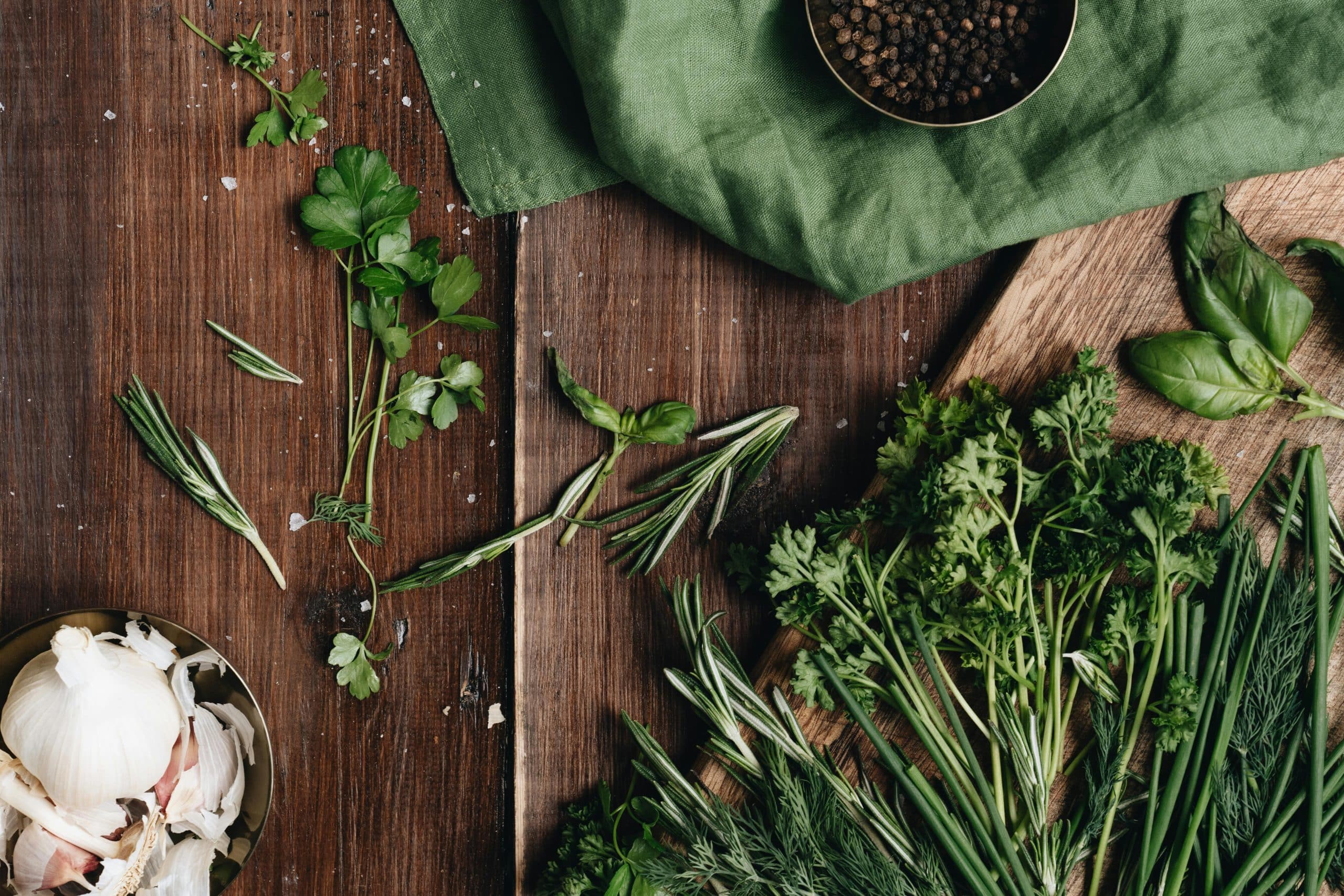
Garlic and onion work best fresh, although the powder versions are handy to have nearby. Between other useful staples in the pantry are cumin, pepper, turmeric, cinnamon, cayenne pepper, Cajun seasoning and chili powdar.
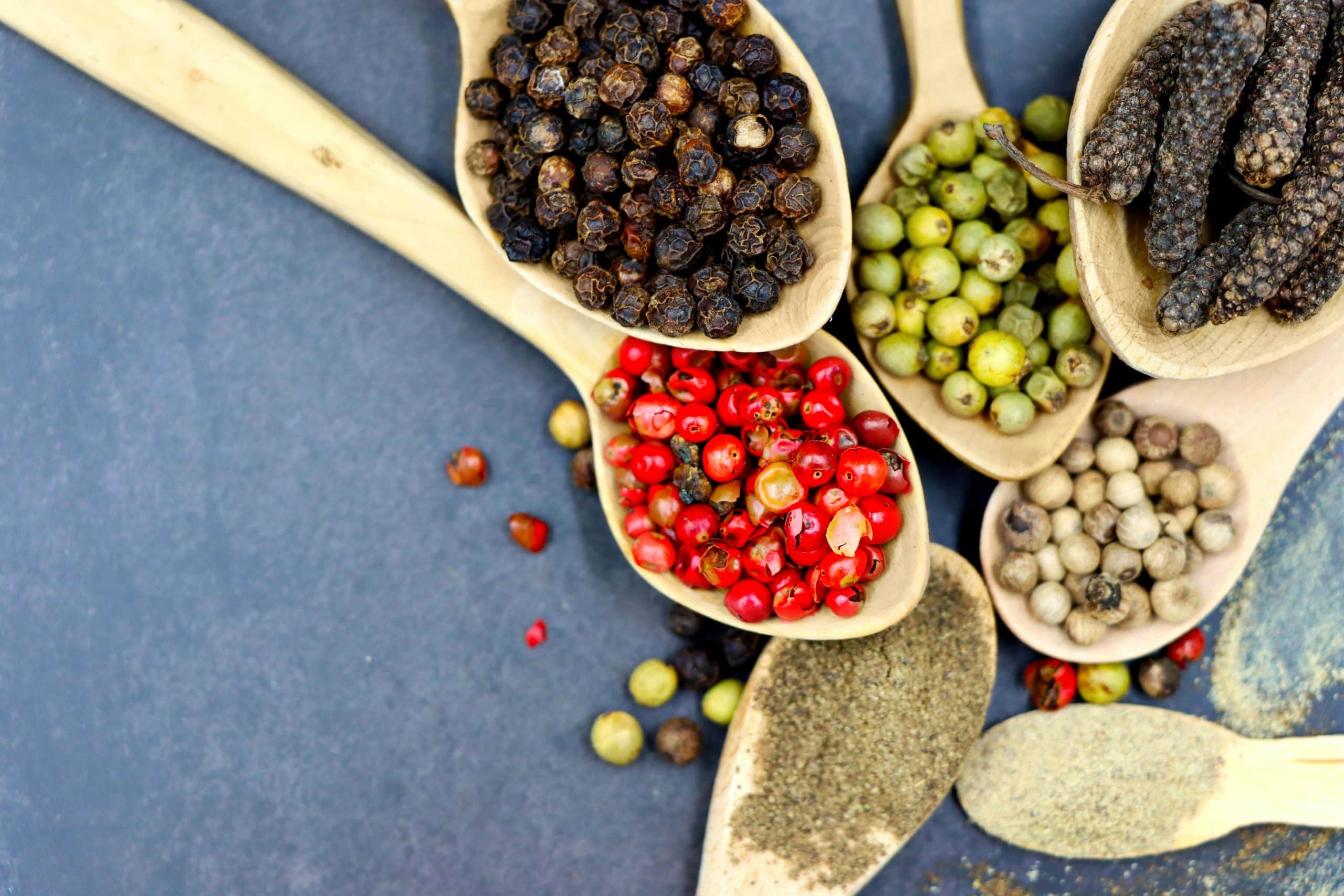
The famous Lawry’s salt works well for roasted vegetables, ground beef, potatoes, fried chicken strips, ramen and even fried rice. Cajun seasoning can replace regular salt in many recipes and goes well with dishes like turmeric chicken.
Dried spices are more strong than fresh. It is good to remember that. To start, half a teaspoon of seasoning is enough for a dish for fore until six people.
When dealing with dried or ground herbs, one and a half teaspoons usually works.
One can roast or cook whole spices more long to release there whole aroma. Tender herbs or final mixes go in at the end of the cook, to keep their flavor. Seasoning in layers makes the food deeper, rich and balanced in taste.
For dishes like soups and stews, that cook on a long basis, adding spices during the process is a good idea. Spices are most important at the end, because after final seasoning one can not remove the extra.
There are also tips for meat. A common mistake with ground beef is adding salt too soon, before it touches the pan. For steak, seasoning about an hour before cooking works well.
For most other meats, seasoning just before the cook is a safe way. Brining is another way, where the meat stays in salt water for at least 24 hours. The meat absorbs the salt and brings nearby spices, but it takes time.
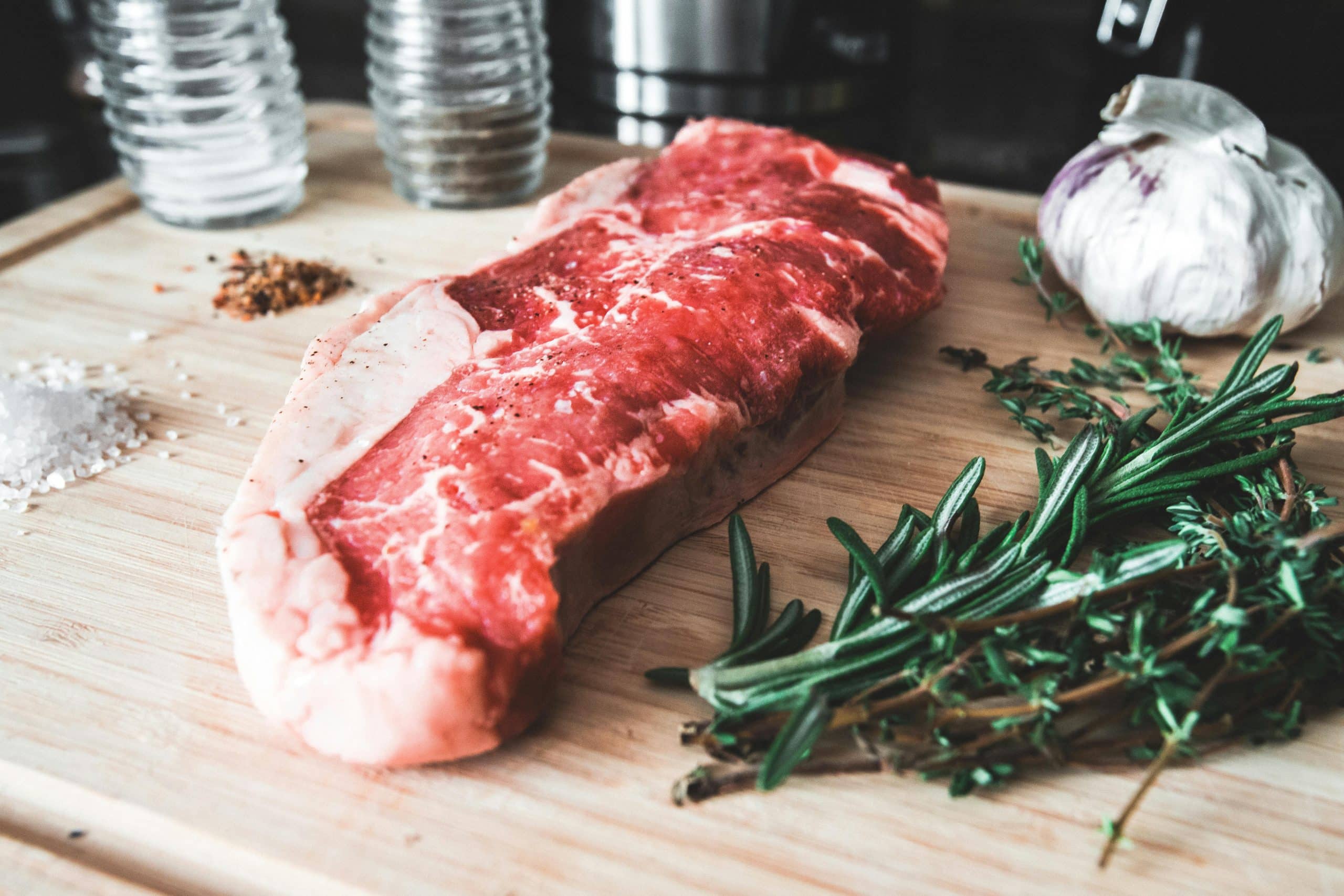
Sugar and other sweets are also considered seasoning. Knowing how to add sugar and salt together with spicy items helps to combine everything nicely. Most mistakes about seasoning are easily fixed, which is gooddeparture for anyone that learns at their own pace.