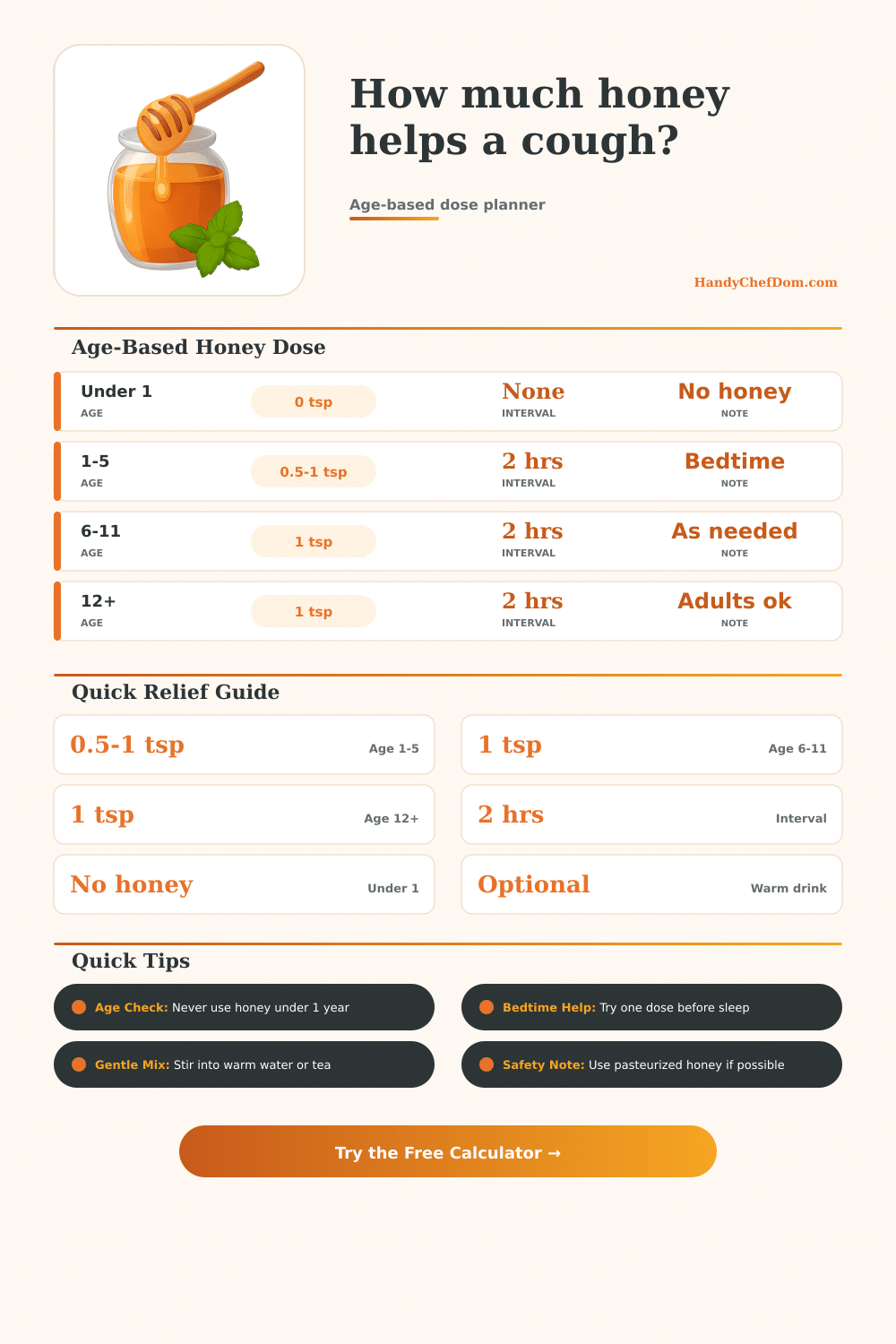
How Much Honey for Cough Calculator
Estimate age-based honey servings, daily totals, and warm mix plans for cough relief
| Age Band | Typical Dose | Best Timing | Safety Note |
|---|---|---|---|
| Under 1 | 0 tsp | None | No honey |
| Age 1-5 | 0.5-1 tsp | Bedtime | Age 1+ |
| Age 6-11 | 1 tsp | As needed | Watch sweetness |
| Age 12+ | 1 tsp | Every 2 hrs | Adults okay |
| Interval | Doses / Day | Honey / Dose | Use Case |
|---|---|---|---|
| 2 hrs | 6 | 1 tsp | Frequent |
| 3 hrs | 4 | 1 tsp | Gentle |
| 4 hrs | 3 | 1 tsp | Low total |
| Bedtime | 1 | 1 tsp | Night only |
| Measure | mL | Tbsp | Notes |
|---|---|---|---|
| 0.5 tsp | 2.5 | 0.17 | Small dose |
| 1 tsp | 5 | 0.33 | Common dose |
| 1 tbsp | 15 | 3 tsp | Sweet spoon |
| 6 tsp | 30 | 2 tbsp | 1 oz honey |
| Delivery | Best For | Liquid | Note |
|---|---|---|---|
| Spoon | Quick relief | None | Simple |
| Warm Water | Dry cough | 2-4 oz | Easy mix |
| Tea | Evening use | 4-6 oz | Soothing |
| Lemon Water | Scratchy throat | 4 oz | Tart mix |
Honey is a substance that can be used to soothe an person that is experiencing a cough. Honey can be used to coat the persons throat in order to help provide relief from the cough. In order to use honey as a treatment for a cough, it is important to understand the correct dosage for various age groups, as well as the correct timing of taking the honey based off the type of cough that the person is experiencing.
Honey contain sugars and enzymes that form a protective film over the tissues of the persons throat that is experiencing irritation. This protective film helps to ease the sensations of a person that is coughing. The age of the person that is to be given honey determines the safety of taking the honey.
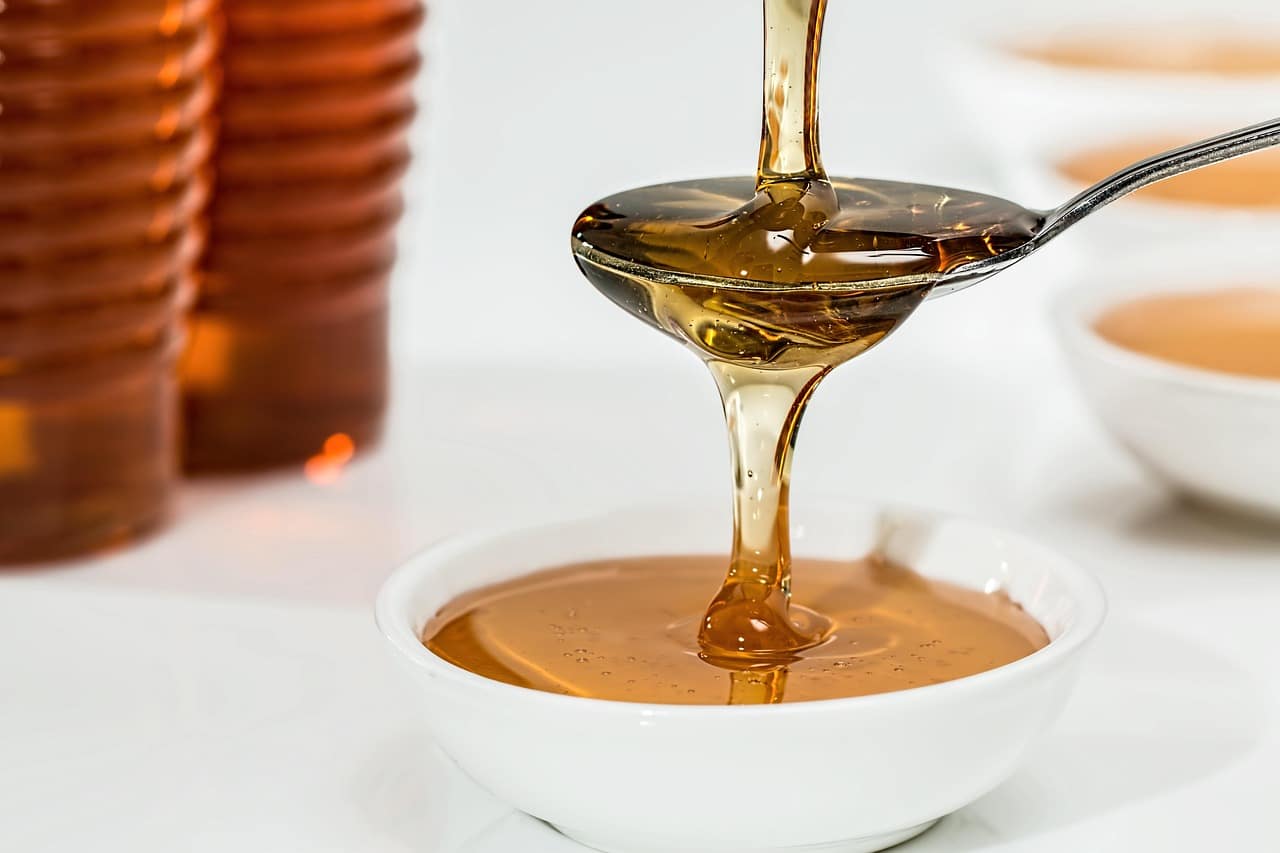
How to Use Honey for a Cough
Honey should never be given to infants under one year of age, as there have been instances in which the honey contains botulism spores that is deadly to infants of that age group. For children between the ages of one and five, only a small dose of honey should be provided, such as half of a teaspoon or one teaspoon. This limited dosage is to allow for the smaller bodies of children of that age group to properly process the sugar contained within the honey.
For children between the ages of five and eighteen, one teaspoon of honey can be provided as needed. For adults and teenagers, one teaspoon of honey can be consumed every couple of hours as needed for those that have severe coughing symptom. The timing of the consumption of the honey should be based upon the type of cough that the person is experiencing.
For individuals that have dry and hacking coughs, or who have scratchy throats during the day, honey can be given at the time of the occurrence of these types of symptoms. However, for individuals that experience coughing only at the time of sleeping, the person can consume a teaspoon of honey right before they go to sleep. However, for those with coughing symptoms during the day, the honey can be provided in doses every few hours to even out the treatment for the person throughout the day.
In addition, providing the doses of honey every few hours will prevent the body from building tolerance to the honey. Honey can be provided in various ways in order to provide relief for those with the symptoms of coughing. For example, honey can be taken directly from a spoon, but you can also mixed it with water or tea.
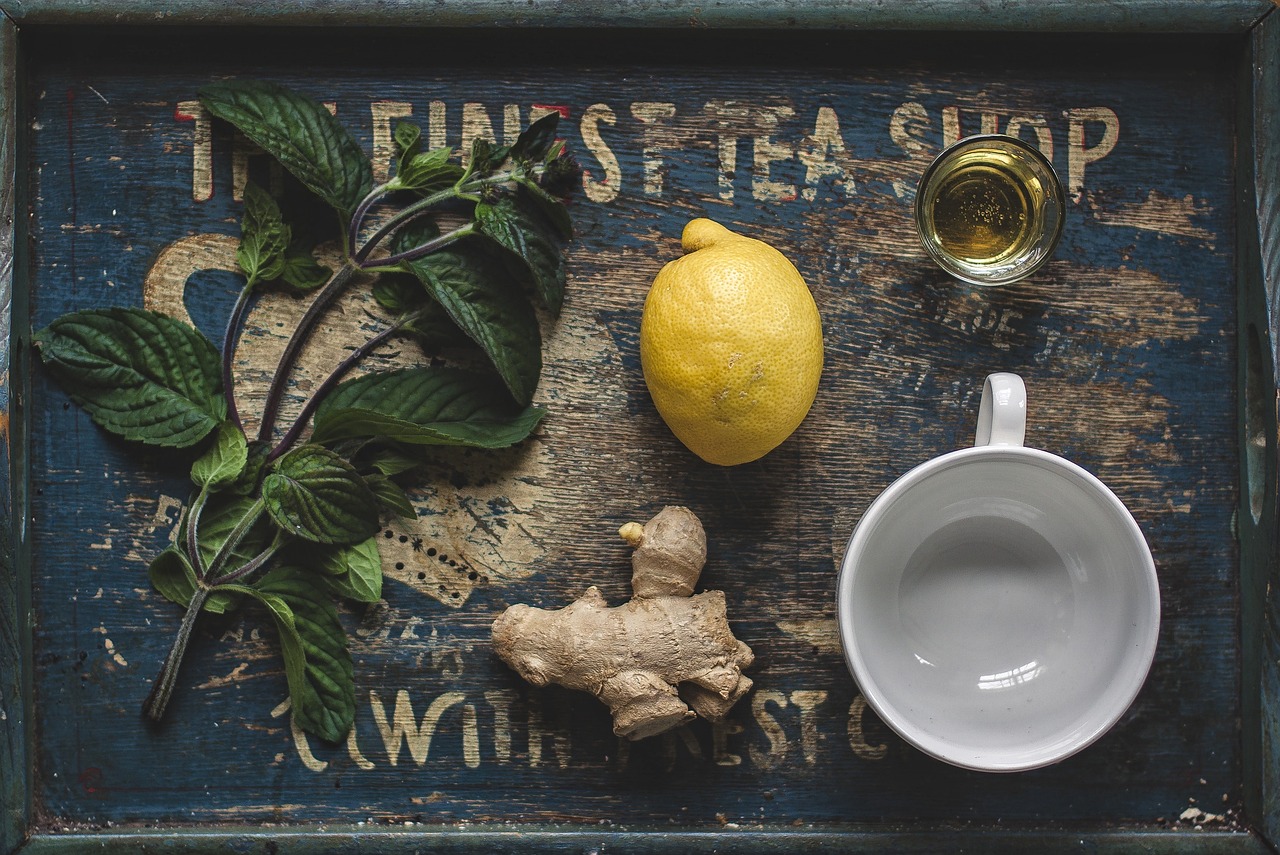
Adding lemon juice to the honey and water will provide additional relief for the individual, as the acidity of the lemon will help to break up the mucus within the throat. For those teaspoons of honey, either two ounce of the honey and liquid mixture can be provided to the individual for bedtime, or six ounces of the mixture can be given to the individual during the evening. The type of honey that is provided can also alter the benefits of the honey for individuals with cough symptoms.
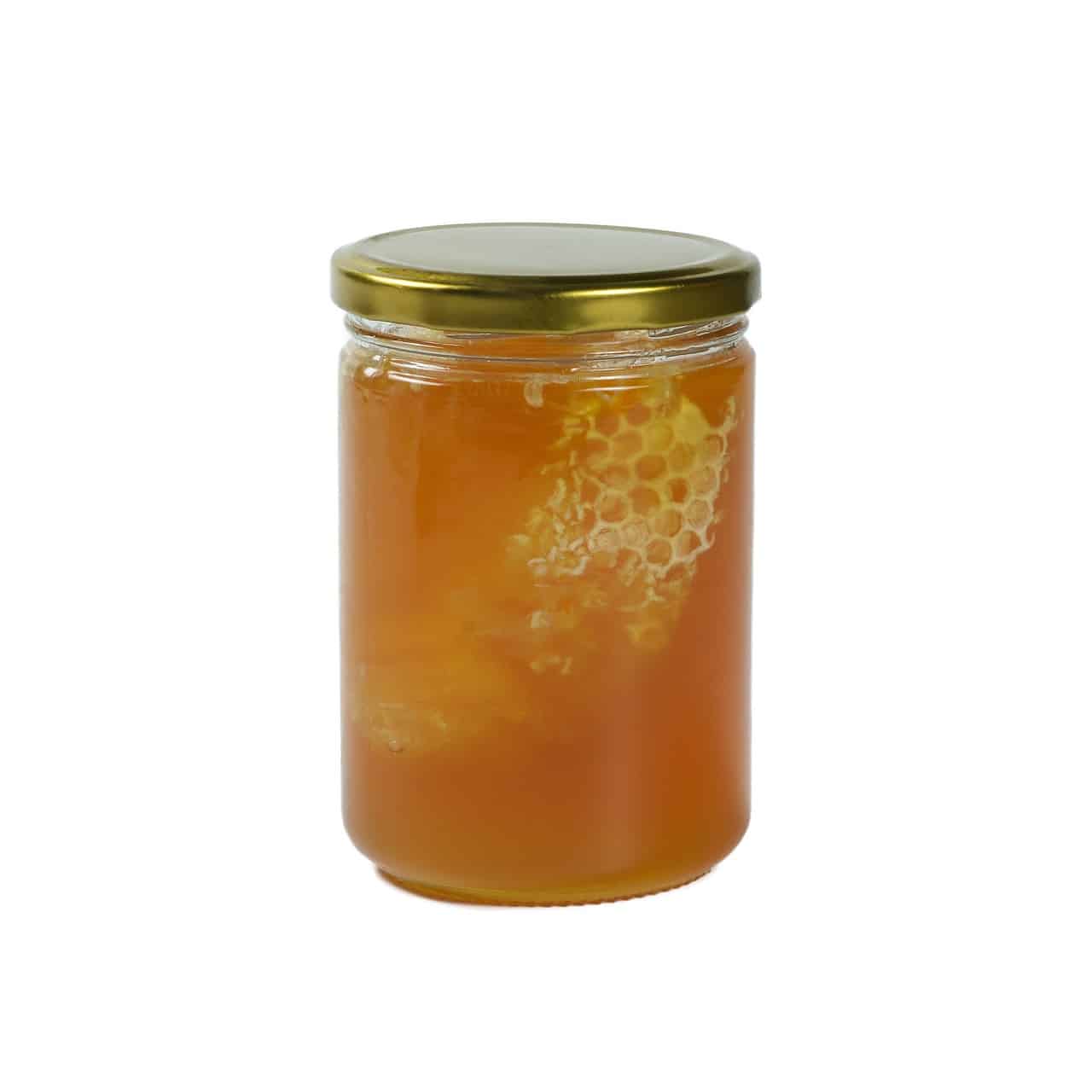
For example, using pasteurized honey will eliminate the risks of raw honey, but does not provide the additional antimicrobial benefits of raw honey or Manuka honey. Manuka honey contains compounds that kill bacteria, which makes it an effective honey for relieving symptoms caused by bacterial infections. However, honey only provides relief for the symptoms of the illness, and does not act as a cure for the virus that causes those symptoms.
The amount of honey that each individual consumes should be monitored. For example, if one teaspoon of honey is given six times throughout the day, the individual will consume one ounce of honey that day. While one ounce of honey is considered the standard dosage for most individuals of any age, the total amount of honey should be within the limits for that individuals age group.
In the case that the individual has an allergy to honey, honey should not be provided to that individual. Lastly, if the individual is experiencing symptoms like wheezing or if the symptoms last for longer than one week, it is recommended that the individual seek medical attention and treatment for the symptoms. While honey can be used in conjunction with other treatments for the symptoms, such as the use of a humidifier or elevation of the body, honey can only be used as a supplement to these methods.
You should of consulted a doctor if your symptoms dont improve. Its important to recieve proper advice if your feeling unwell. There are alot of ways to use honey, but it wont cure a virus.
The modern medicine approach is better than rely on honey alone. Youll feel better soon if you follow advice.