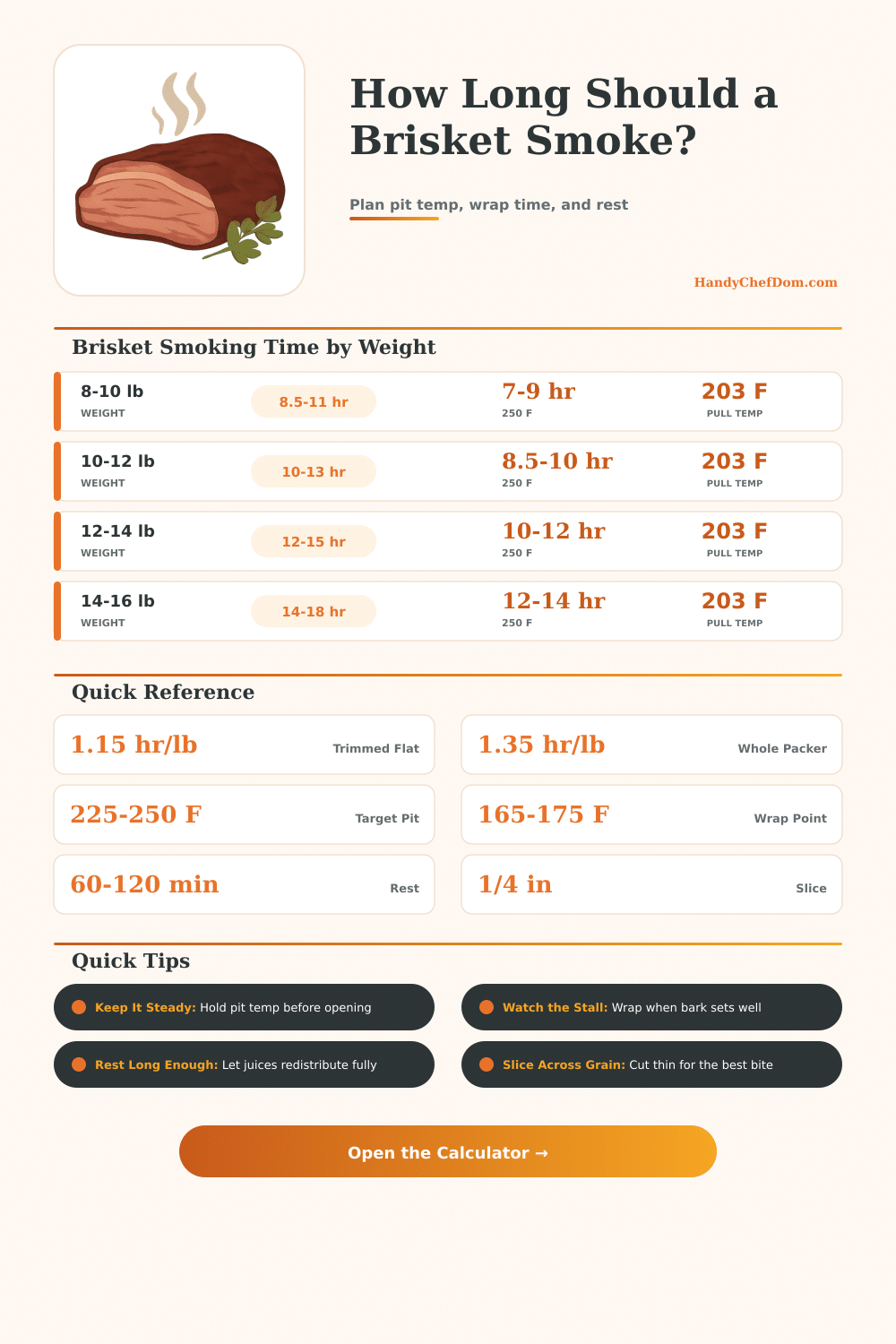
Brisket Smoking Time Calculator
Estimate smoke time, wrap timing, and rest windows for brisket by weight and pit temperature
| Weight | 225 F | 250 F | Finished |
|---|---|---|---|
| 8-10 lb | 8.5-11 hr | 7-9 hr | 203 F |
| 10-12 lb | 10-13 hr | 8.5-10 hr | 203 F |
| 12-14 lb | 12-15 hr | 10-12 hr | 203 F |
| 14-16 lb | 14-18 hr | 12-14 hr | 203 F |
| Wood | Smoke Profile | Best With | Wrap Style |
|---|---|---|---|
| Oak | Balanced | Whole packer | Paper |
| Post Oak | Classic | Texas style | Paper |
| Hickory | Bold | Trimmed flat | Foil |
| Cherry | Sweet | Point cut | Paper |
Smoking a brisket require a systematic approach because the brisket contains many variable that can change the cooking time and texture of the meat. Some of these variables includes the weight of the brisket, the cut of brisket, and the temperature of the pit. For instance, if the brisket that are being smoked is a whole packer brisket, it contains both fatty point and lean flat cut of brisket.
Additionally, a whole packer brisket will take longer to cook than a trimmed flat brisket because of the presence of fat on the point cut of brisket. The trimmed flat brisket cut are leaner than a whole packer brisket and will cook faster due to it’s leaner composition. The temperature of the smokers pit is another variable that can change the cooking time for a brisket.
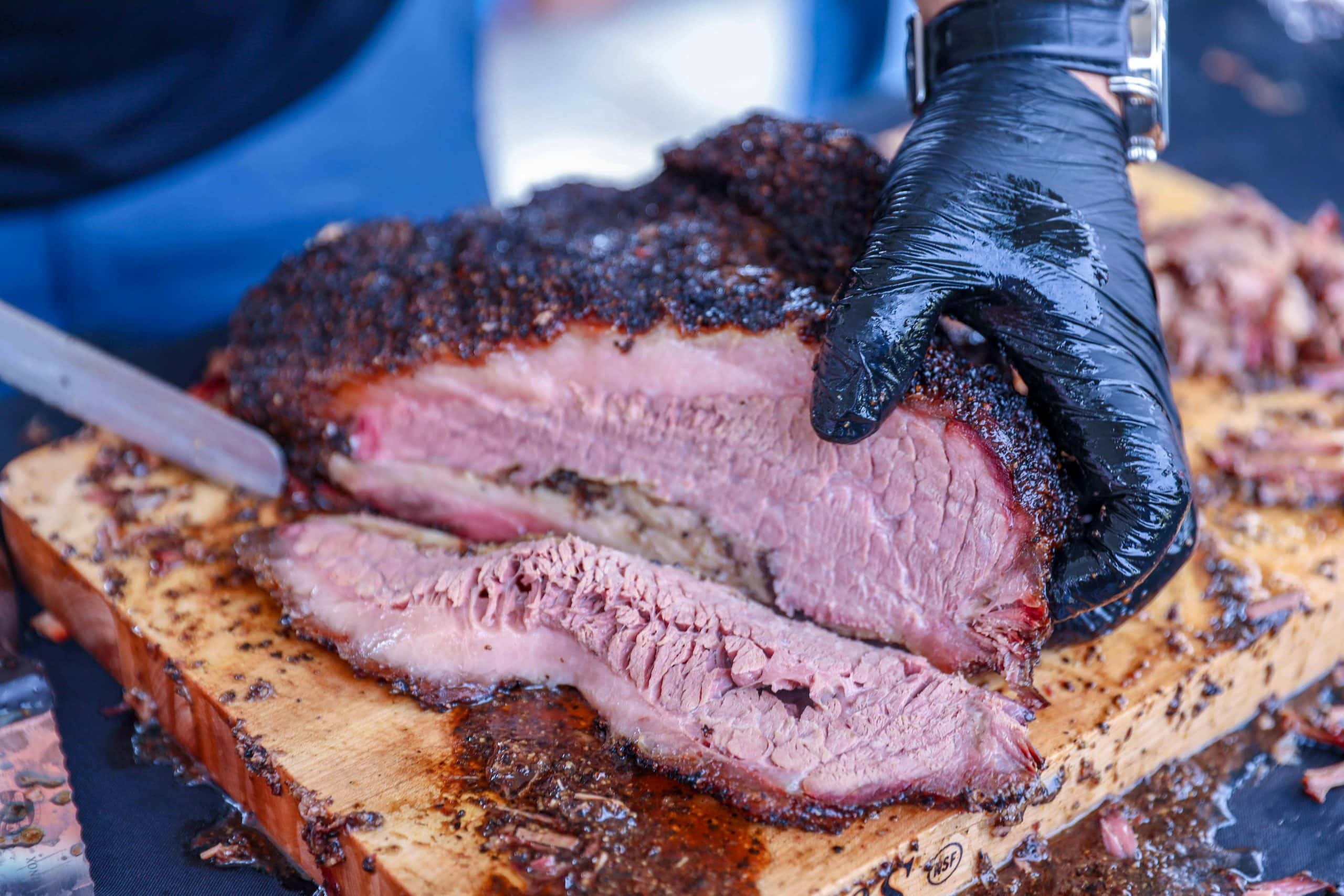
How to Smoke, Rest and Slice a Brisket
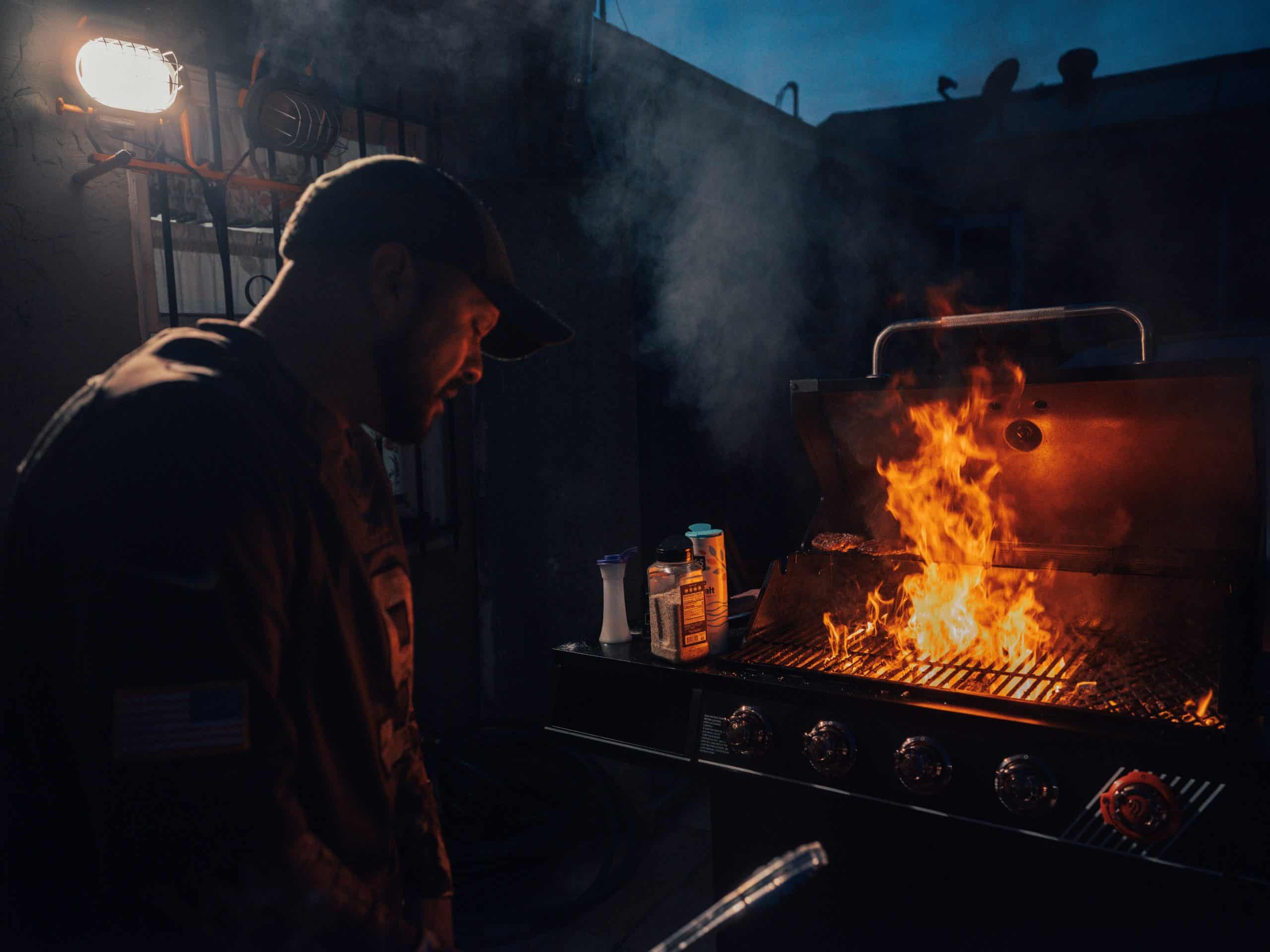
If the pit temperature is set to 225 degrees, the brisket will take longer to cook but will allow for deeper smoke flavor to develops on the brisket. If the temperature is increased to 250 or 275 degrees, the brisket will cook faster but may cook more quick than intended. Opening the pit too often can drastically reduce the temperature of the pit.
A reduction in the temperature of the smoker’s pit will increase the cooking time of a brisket. Many brisket smoker encounter the stall phase of cooking a brisket. During this phase, the briskets internal temperature stop rising for many hour.
This can make for an unpredictable cooking process for the smoker. One way to combat this is to wrap the brisket in foil or butcher paper. Wrapping the brisket in foil will trap moisture around the brisket and allow the brisket to cook through the stall phase faster.
If the brisket are wrapped in butcher paper, the brisket will be allowed to breathe to enhance its bark texture. The internal temperature of the brisket will determine the timing of wrapping and removing the brisket from the smoker. When the brisket reaches an internal temperature of between 165 and 175 degrees, it should be wrapped.
When the brisket reaches an internal temperature of 203 degrees, it should be remove from the smoker. At this point, the brisket should be probe tender meaning a probe will slide easy into the brisket. Due to the marbling of the fatty point cut of brisket, the fatty point may be more tender than the lean flat cut of brisket at the same internal temperature.
After the brisket is removed from the smoker, it need to be rested. The brisket should be wrapped and place in a cooler for 60 to 120 minutes. During this time, the juices will redistribute throughout the brisket.
If the brisket is not rested, the juices will leak out of the brisket when it is sliced. Finally, when the brisket is sliced, it should be sliced against the grain for maximum tenderness. A brisket should be sliced into quarter inch thick pieces.
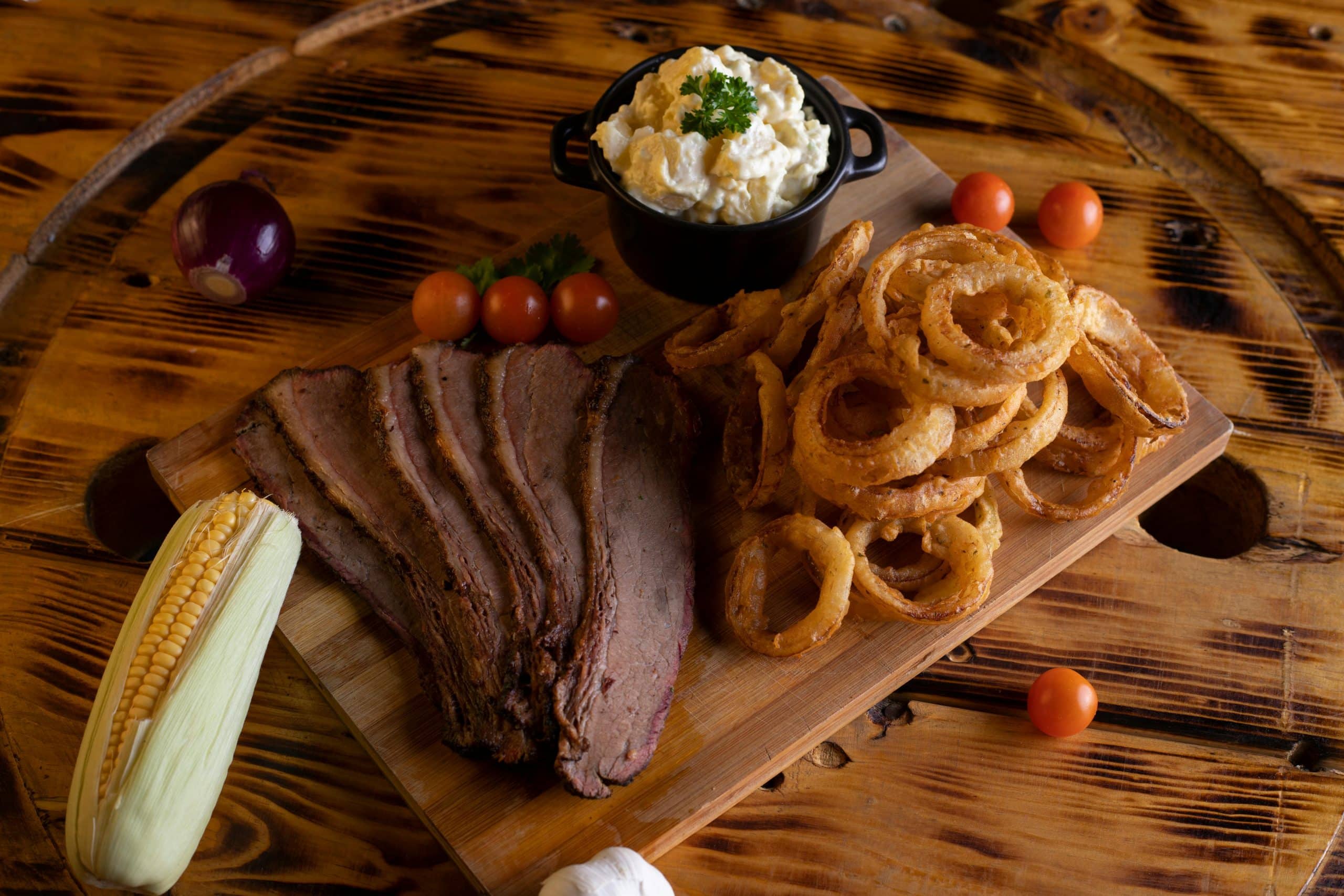
The flat cut of brisket should be sliced in one direction while the point cut is sliced in a perpendicular direction. Additionally, 15 to 30% of the briskets weight will be lost during trimming. The type of wood used to smoke the brisket will impact the flavor of the brisket.
For instance, oak provides a balanced flavor to brisket, hickory provide a bold flavor, and cherry wood provides a more subtle, sweet flavor to the brisket. Finally, the stall and resting periods for brisket are unpredictable; therefore, planning the cooking process in advance is essential. The brisket should be smoked in advance so that it is ready to be eat when needed.