☕ Coffee to Water Ratio Drip Calculator
Dial in a drip brew ratio, estimate grounds, and size water for a clean, repeatable pot or batch.
Choose your drip basket and strength first, then the calculator sizes the coffee dose, water, bloom, and final yield.
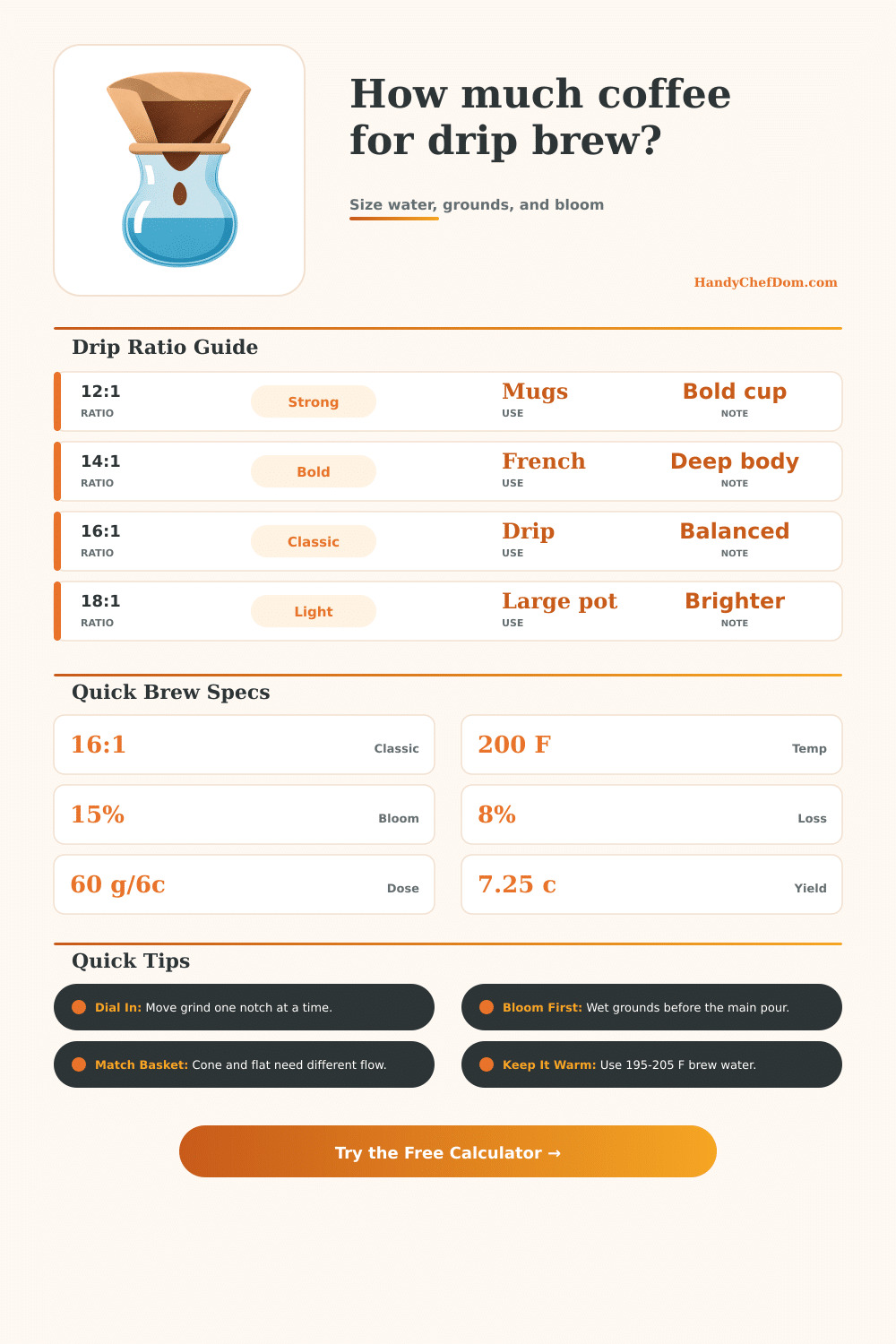
| Ratio | Strength | Use | Note |
|---|---|---|---|
| 12:1 | Strong | Mugs | Bold cup |
| 14:1 | Bold | French press | Deep body |
| 16:1 | Classic | Drip | Balanced |
| 17:1 | Light | Breakfast | Brighter |
| 18:1 | Very light | Large pots | Softer |
| 15:1 | Full | Daily brew | Rounder |
| Grind | Basket | Flow | Note |
|---|---|---|---|
| Medium-fine | Cone | Fast | Clean cup |
| Medium | Auto-drip | Steady | Reliable |
| Fine | Cone | Slower | More body |
| Coarse | Flat | Slow | Even bed |
| Extra-coarse | Permanent | Fast | Lighter |
| Medium | Flat | Balanced | Sweet spot |
| Serving | Water | Grounds | Yield |
|---|---|---|---|
| 1 cup | 6 oz | 10 g | 1 cup |
| 2 cups | 12 oz | 20 g | 2 cups |
| 4 cups | 24 oz | 40 g | 3.75 cups |
| 6 cups | 36 oz | 60 g | 5.5 cups |
| 8 cups | 48 oz | 80 g | 7.25 cups |
| 10 cups | 60 oz | 100 g | 9 cups |
| Temp | Range | Flavor | Note |
|---|---|---|---|
| 195F | 195-200 | Softer | Gentle brew |
| 200F | 198-202 | Classic | Drip sweet spot |
| 205F | 203-205 | Brighter | Watch bitterness |
| 210F | 205+ | Hot | Too hot for most |
| Bloom | 20-30% | Fresh | Pre-wet grounds |
| Loss | 6-10% | Normal | Absorption |
Brewing coffee requires specific measurement and methods to ensure the coffee taste the same each time. Many people has coffee that taste too weak or watery. Others have coffee that taste too bitter and unpleasant.
All of these issue can be remedied by ensuring that several factor in the brewing process are controlled. The factor include the coffee-to-water ratio, the coffee grind size, the water temperature, and the coffee basket style. The coffee-to-water ratio are the most important factor in brewing coffee.
Make Coffee That Tastes the Same Every Time
The ratio determine how strong the brewed coffee is. The standard ratio is sixteen part water to one part coffee by weight. Using too much water will produce weak coffee; using too little water will produce coffee that is too strong.
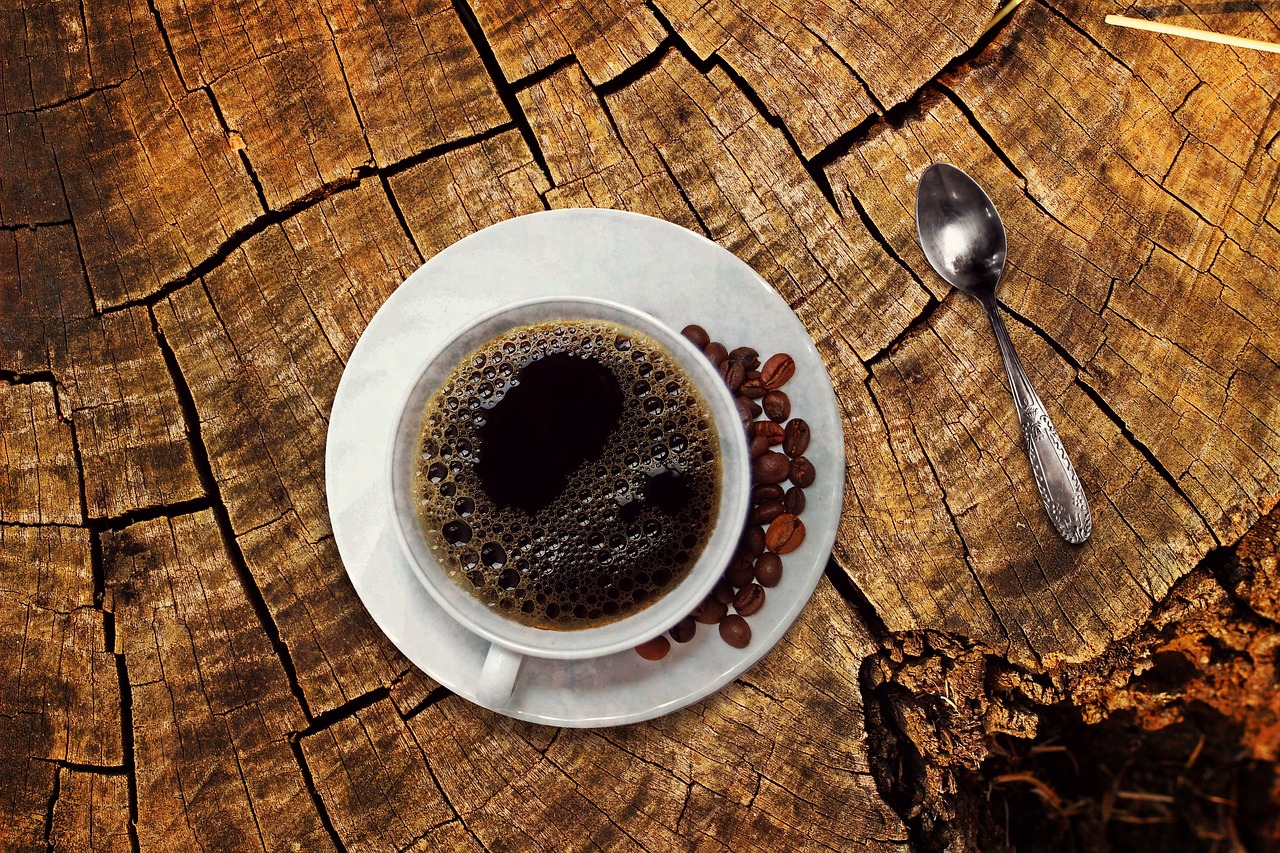
By using a calculator, you can determine an apropriate amount of ground coffee to water to achieve your desired brew strength. The calculator will account for the coffee basket style and coffee roast level. Another important step in brewing coffee is bloom the grounds.
Blooming coffee grounds ensure even extraction of flavors. To bloom coffee grounds, pour water over the grounds to release the carbon dioxide in the grounds. Use fifteen percent of the total water volume for blooming, and allow it to sit for thirty seconds before brewing.
If you dont bloom the grounds, the carbon dioxide will prevent even contact between the water and the coffee grounds. This will result in some brewed coffee tasting sour and some tasting bitterer. The type of coffee basket you use will affect the flavor of the brewed coffee.
Cone filter allow brewed coffee to drain quickly. Coffee brewed in cone filters will have less extracted flavors. Flat-bottom basket hold the water longer, resulting in brewed coffee with more body.
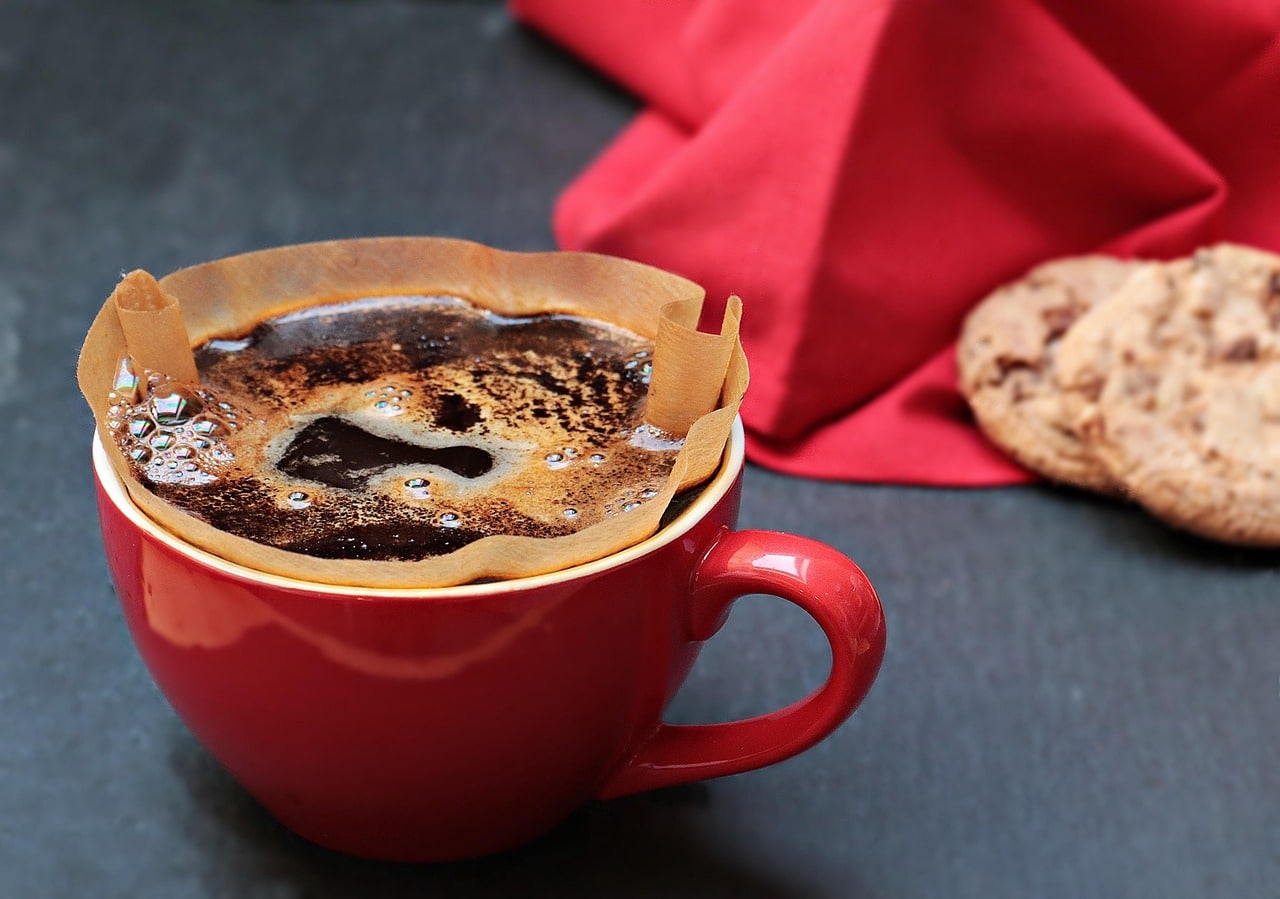
The grind size of the ground coffee should match the type of basket. If it doesnt match, it will affect brewed coffee strength. The grind size of the ground coffee is another important brewing variable.
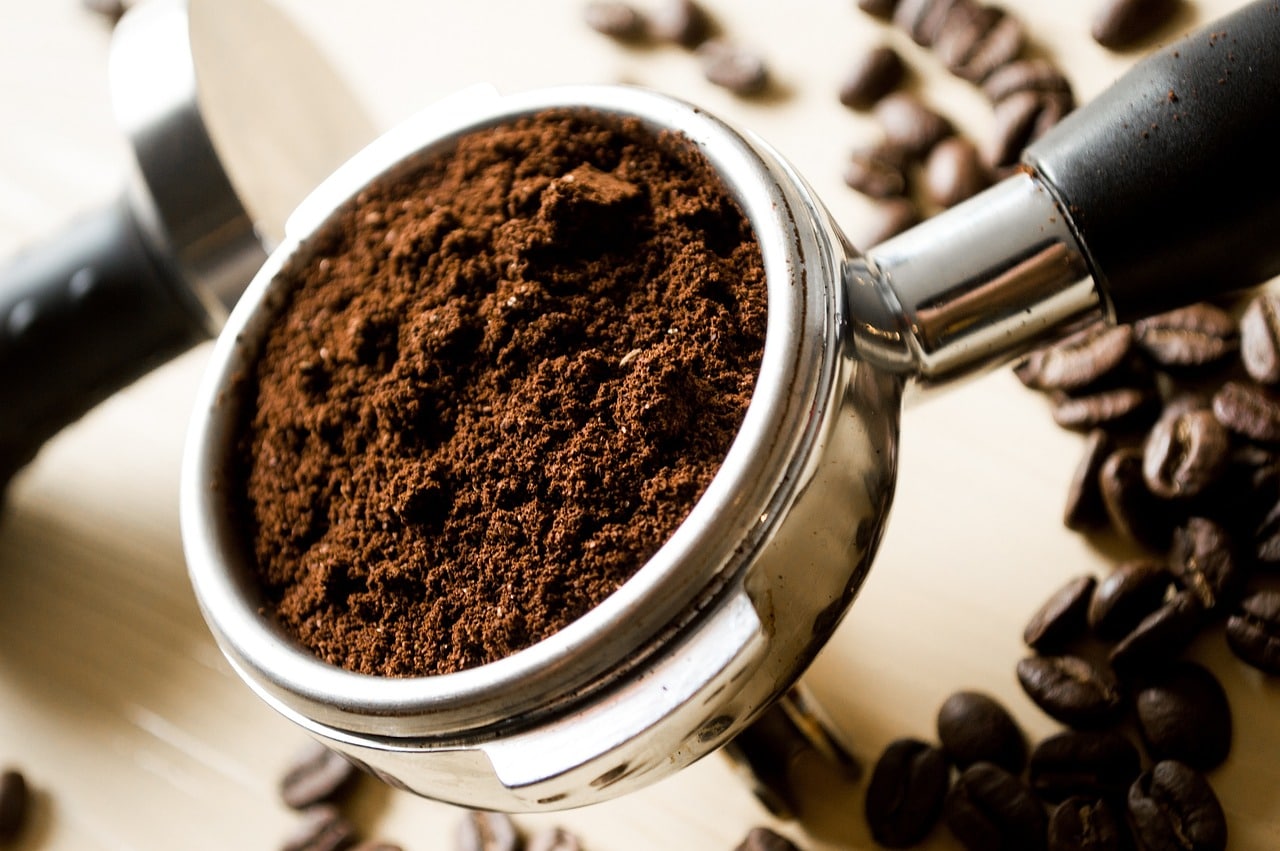
The grind size should match the roast level of the coffee. Using a fine grind size will cause the water to move slow through the coffee grounds. This will extract too many flavor, making brewed coffee taste bitter.
Using a coarse grind size will allow too much water to move through coffee grounds too quickly. This will make brewed coffee taste weak. Light roast coffee is more denser than dark roast coffee.
Brewing instructions will differ depending on roast level. The temperature at which you brew your coffee is essential to its flavor. Ensure that the water is between 195 and 205 degree Fahrenheit.
Water that is too cool will extract few flavor from the coffee grounds. Brewed coffee will taste weak. Water that is too hot can scorch the coffee grounds.
Scorching coffee grounds will make brewed coffee taste bitter. Aim for 200 degree Fahrenheit. Coffee grounds will absorb some of the water.
The brewed coffee will contain less volume than the volume of water used to brew it. Coffee grounds absorb around eight percent of the water volume. There are different coffee-to-water ratio.
A twelve-to-one ratio will produce strong coffee. Use this setting to brew small batch of coffee. An sixteen-to-one ratio produce balanced coffee.
This brewing setting is standard. An eighteen-to-one ratio produce weak coffee. Brew coffee at this ratio if brewing large batch of coffee.
Following a few specific step will avoid brewing mistakes. Always ensure the coffee basket is not overpacked with grounds. Overpacked baskets will make brewed coffee taste bitter.
Stir the coffee grounds to even out the brew level. Brew coffee with fresh bean. Stale coffee beans will not respond to coffee-to-water ratio.
Finally, taste brewed coffee to determine what brewing measurement to use for the next brewing session.