How Much Honey Per Hive Calculator
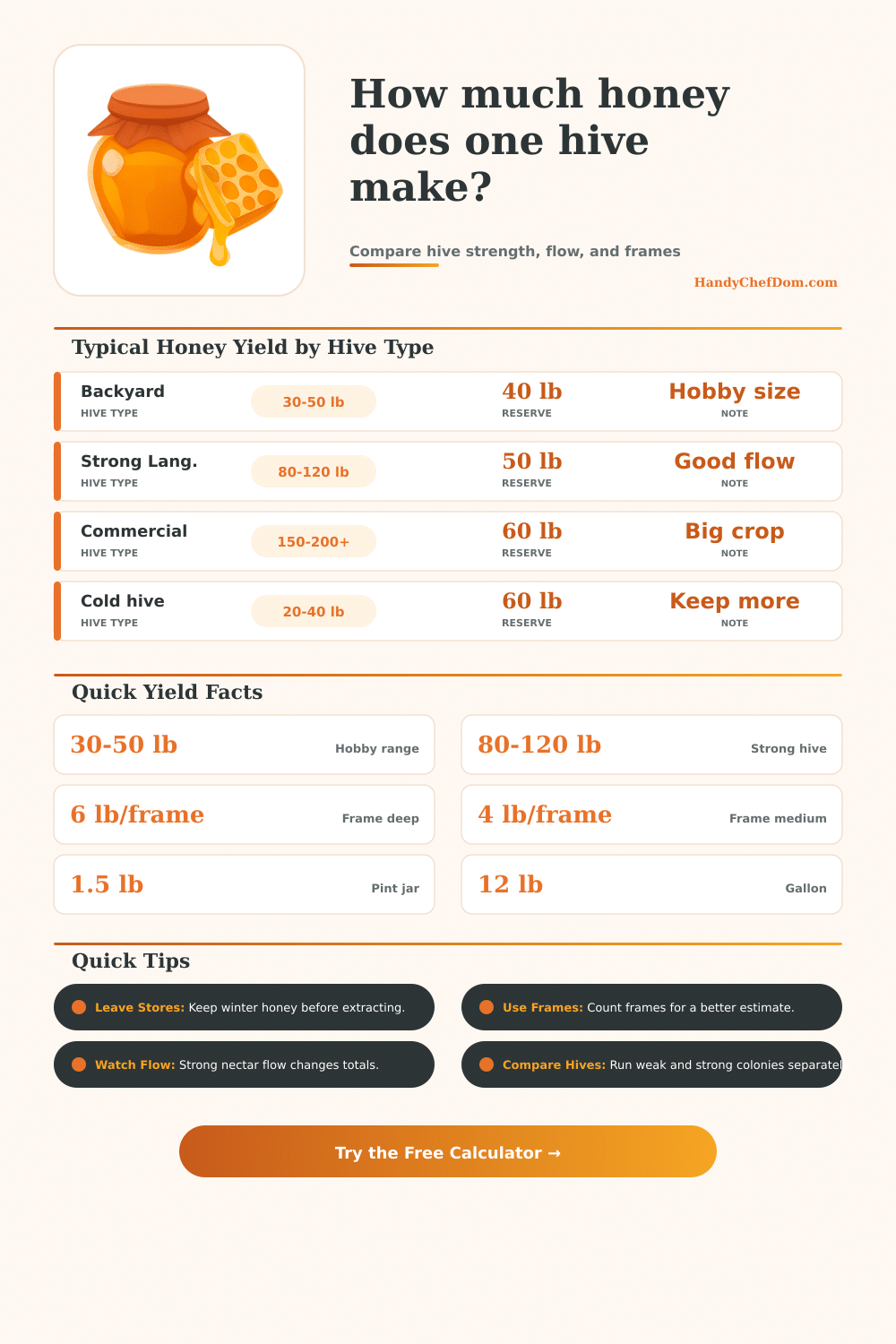
Estimate honey per hive by colony strength, nectar flow, frame harvest, and winter reserve with this honey calculator.
Use the settings below to blend colony strength, nectar flow, and frame harvests into a practical per-hive estimate.
| Hive Scenario | Typical Yield | Winter Keep | Note |
|---|---|---|---|
| Backyard | 30-50 lb | 40 lb | Common hobby crop |
| Good Flow | 50-100 lb | 50 lb | Solid surplus year |
| Strong Colony | 80-120 lb | 60 lb | Needs room early |
| Commercial | 150-200+ lb | 60 lb | Heavy nectar flow |
| Cold Climate | 20-40 lb | 60-80 lb | Keep more for winter |
| Urban Rooftop | 25-45 lb | 40 lb | Often modest yields |
| Frame Type | lb / Frame | kg / Frame | Best Use |
|---|---|---|---|
| Deep | 6.0 | 2.72 | Heavy honey storage |
| Medium | 4.0 | 1.81 | Most common pull |
| Shallow | 3.0 | 1.36 | Light harvests |
| Full super | 35-50 | 16-23 | Frame mix varies |
| Full medium | 28-36 | 13-16 | About 3 gallons |
| Full deep | 40-55 | 18-25 | Heavier crop pull |
| Climate | Keep (lb) | Keep (kg) | Reason |
|---|---|---|---|
| Mild winter | 20-30 | 9-14 | Short cold stretch |
| Temperate | 40-60 | 18-27 | Balanced reserve |
| Cold zone | 60-80 | 27-36 | Longer brood break |
| Nuc colony | 30-50 | 14-23 | Smaller footprint |
| Double deep | 60-70 | 27-32 | Strong stores |
| Commercial | 50-60 | 23-27 | Managed by yard |
| Container | Honey Weight | Volume | Note |
|---|---|---|---|
| Pint jar | 1.5 lb | 16 oz | Good gift size |
| Quart jar | 3.0 lb | 32 oz | Family share |
| Half gallon | 6.0 lb | 64 oz | Bulk storage |
| Gallon | 12.0 lb | 128 oz | Big harvest jar |
| Five gallon | 60.0 lb | 5 gal | Apiary scale |
| Case of 12 pints | 18.0 lb | 12 jars | Easy packing |
To determine how much honey will be harvested from a beehive, several variable will need to be considered. One of the main variables is the amount of honey that is take from the hive as compared to the amount of honey that the bees will need to survive the winter. If the bee colony is harvested too much honey, the colony may not last the winter.
However, if too much honey is left in the hive, there will be less honey available to a beekeeper. The strength of the bee colony is one of the main factor in how much honey the hive will produce. If the colony is weakly, there will be less honey produced than if the colony is strong.
How Much Honey a Beehive Can Produce
Colonies that are weak will have less time to gather the nectar from the flower that they visit during their foraging trips. A strong bee colony will gather more honey then a weak bee colony, and the beekeeper can monitor the bee colony early in the season to determine how strong the colony will be during the season. Another of the main factors in the production of honey is the amount of nectar flow that is available to the bees from the blossoms in the area.
If there are many blossoms that are blooming at the same time, there will be a good nectar flow, and the bees will be able to producing more honey. If the area experiences a poor nectar flow due to droughts or frosts, there will be less available honey from the bees blossoms. The style of the hive can impact the amount of honey that the bees produce.
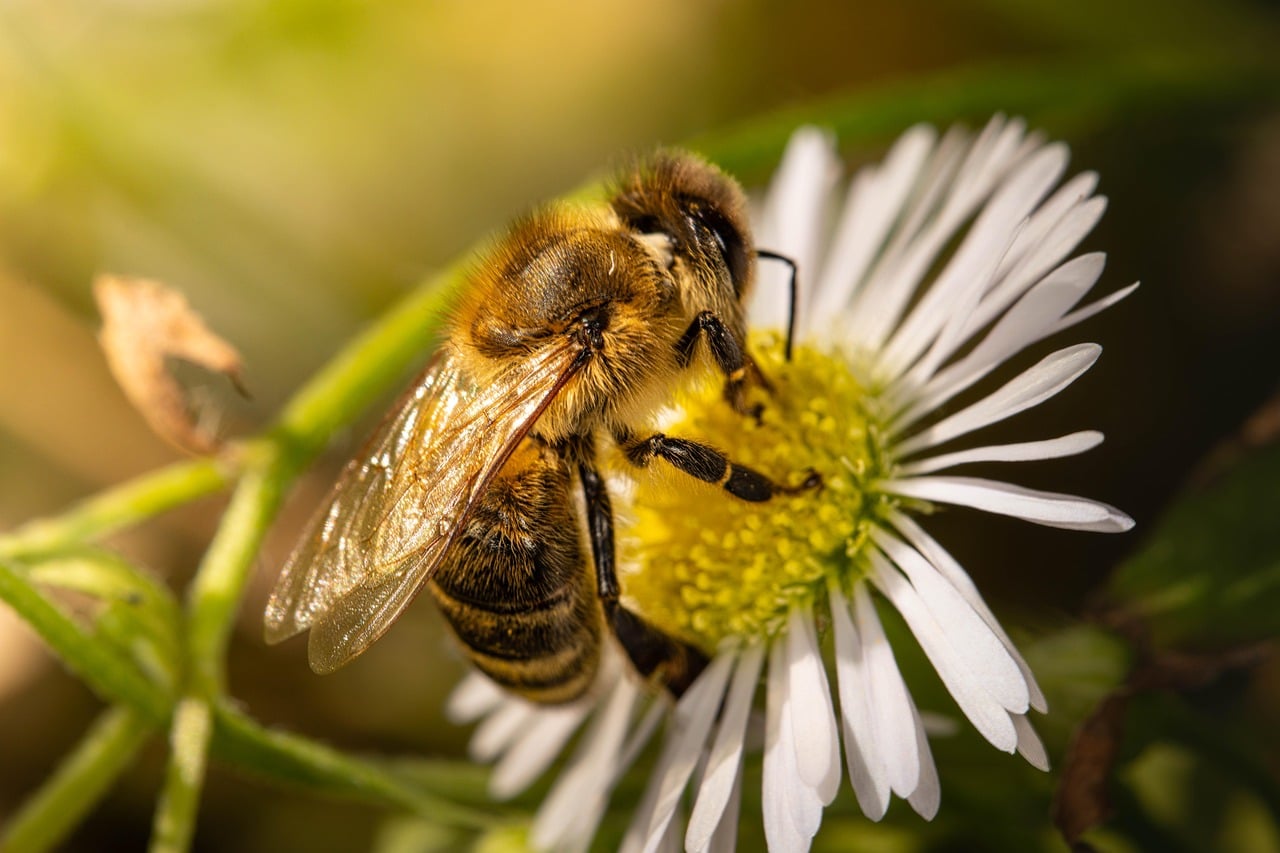
For example, Langstroth hives are often constructed to allow the bees to produce the honey flows that are produced by the hives. Deep box hives are constructed to allow the bee colony to have more room to produce honey, and there are more potential honey super to produce more honey. Nuc hives are constructed as small hives to start new bee colony, but there is less room in the hive for the bees to store extra honey.
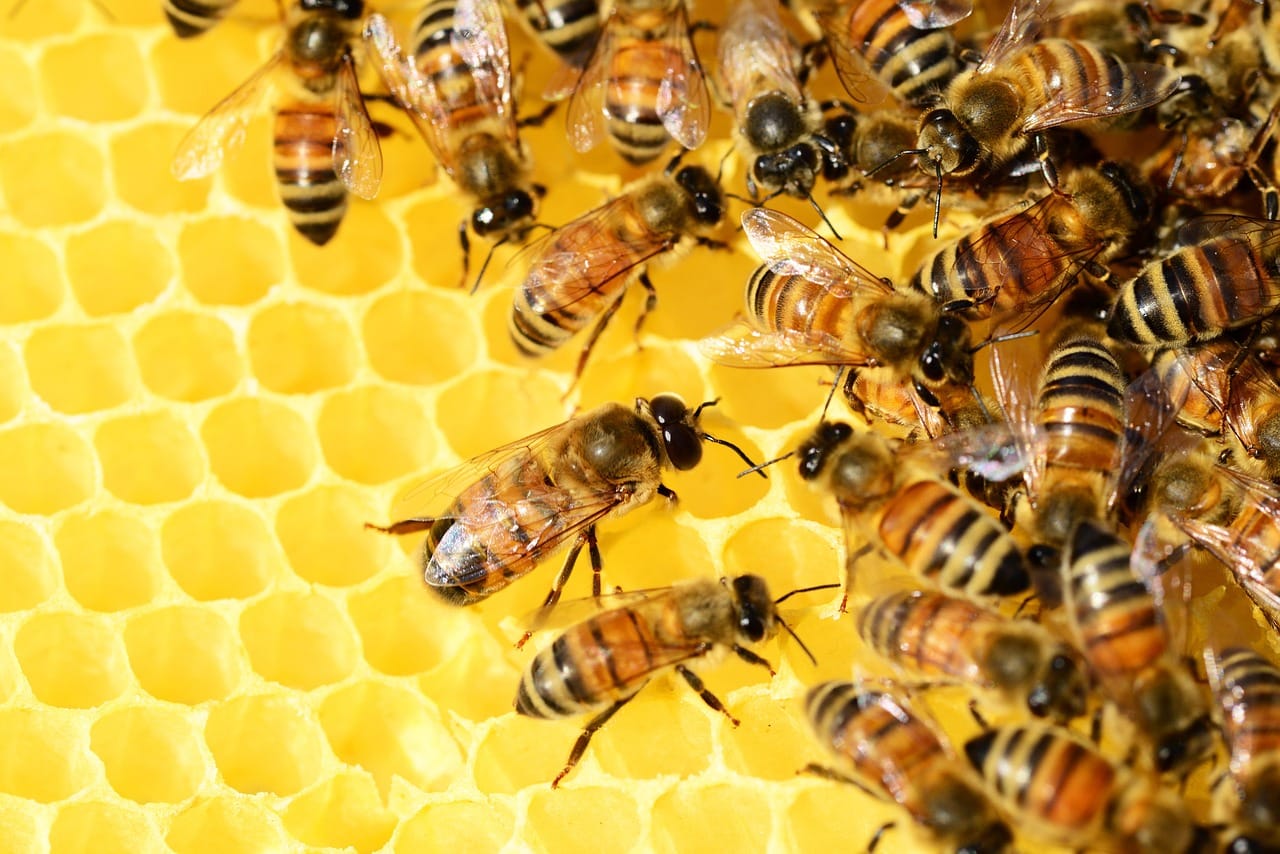
Top-bar and Warre hives may have additional benefits to the beekeeper and the bee colony, but there is a limit to the amount of honey that these hive style can produce. The type of frame that are constructed within the hive will also impact the amount of honey produced by the bees. Deep frames can store six pounds of honey when capped, but medium frames can only store four pound of honey.
Shallow frames produce even less honey than medium frames. In determining the amount of honey that will be produced during the season, the beekeeper can count the number of frames within the hive supers that contains the honey. Eight medium frames from a strong bee colony will produce approximately thirty pound of honey.
Another consideration for the beekeeper is leaving enough honey for the bee colony to survive the winter. The bee colony will survive the winter with the stored honey, and the amount of honey needed will depend upon the climate in which the beekeeper live. Areas with mild climates may only require twenty pound of winter honey reserves from the bee colony.
Temperate climates may require forty to sixty pounds of honey to survive the winter. In areas that experience cold climates, beekeepers may need to provide sixty pounds or more of honey to the bee colony to help the bees last the winter month. If there is not enough honey left for the bee colony to survive the winter, sugar will need to be fed to the bee colony in the spring.
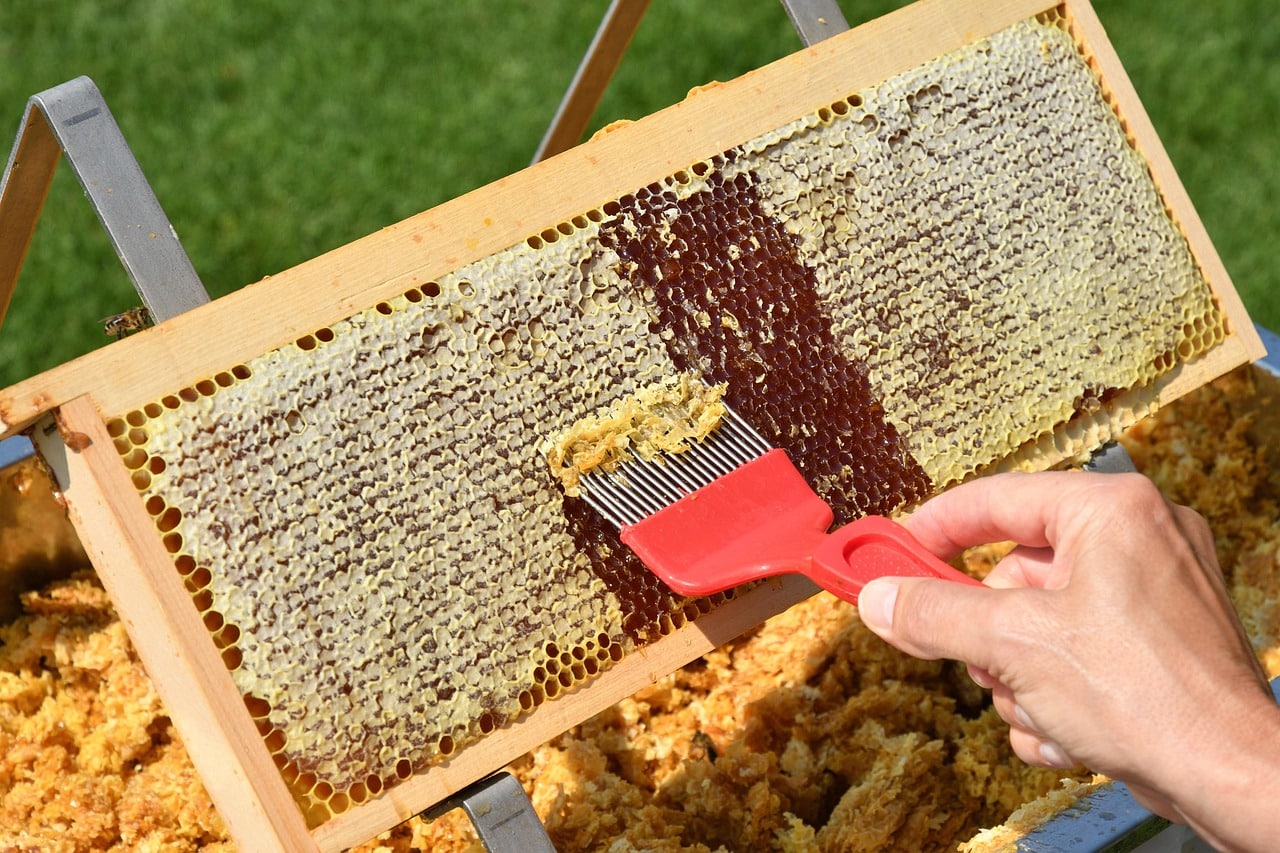
Factors related to harvesting the honey will also impact the amount of honey that can be harvested from the hive. Beekeepers have the potential to either perform a light or heavy harvest of honey from the hive supers. A light harvest will leave more honey for the bee colony, but a heavy harvest will allow beekeepers to extract more honey from the hive.
In either case, the beekeeper should of account for the losses of seven to ten percent of the honey that is produced during the extraction process. The type of beekeeping setup will impact the amount of honey that the bees produce. Backyard beekeeping setups may produce between thirty and fifty pounds of honey after the bee colony is provided with winter reserves.
Langstroth hives that are strong may be able to produce eighty to one hundred and twenty pounds of honey with good nectar flow. Commercial beekeeping operations are often able to produce over one hundred and fifty pound of honey, but the beekeeping setup requires a location with high nectar flow. Finally, to be a successful beekeeper, individuals should avoid the following mistakes: overlooking the strength of the bee colony, ignoring the need for winter reserves for the bees, using the wrong type of frames in the hive, and ignoring the importance of the nectar flow.
Each of these mistakes may result in the bee colony producing little honey or not survive the winter.