🎂 Baking Tin Size Converter
Convert between round, square & rectangular pans in inches or centimeters
| Diameter | Metric | Area (sq in) | Area (sq cm) | Volume at 2″ |
|---|---|---|---|---|
| 6″ | 15 cm | 28.3 | 177 | 56.5 cu in |
| 7″ | 18 cm | 38.5 | 254 | 77.0 cu in |
| 8″ | 20 cm | 50.3 | 314 | 100.5 cu in |
| 9″ | 23 cm | 63.6 | 415 | 127.2 cu in |
| 10″ | 25 cm | 78.5 | 491 | 157.1 cu in |
| 11″ | 28 cm | 95.0 | 616 | 190.1 cu in |
| 12″ | 30 cm | 113.1 | 707 | 226.2 cu in |
| Pan Size | Metric | Area (sq in) | Area (sq cm) | Volume at 2″ |
|---|---|---|---|---|
| 7″ square | 18 cm | 49.0 | 324 | 98.0 cu in |
| 8″ square | 20 cm | 64.0 | 400 | 128.0 cu in |
| 9″ square | 23 cm | 81.0 | 529 | 162.0 cu in |
| 10″ square | 25 cm | 100.0 | 625 | 200.0 cu in |
| 8×11″ | 20×28 cm | 88.0 | 560 | 176.0 cu in |
| 9×13″ | 23×33 cm | 117.0 | 759 | 234.0 cu in |
| 11×15″ | 28×38 cm | 165.0 | 1064 | 330.0 cu in |
| Original Pan | Equivalent Round | Equivalent Square | Area Ratio |
|---|---|---|---|
| 6″ round | — | 5.3″ square | 1.00 |
| 8″ round | — | 7.1″ square | 1.00 |
| 9″ round | — | 8.0″ square | 1.00 |
| 8″ square | 9.0″ round | — | 1.00 |
| 9″ square | 10.1″ round | — | 1.00 |
| 9×13″ rect | 12.2″ round | 10.8″ square | 1.00 |
| Two 8″ rounds | 11.3″ round | 10.0″ square | 1.00 |
| Inches | Centimeters | Inches | Centimeters |
|---|---|---|---|
| 5″ | 12.7 cm | 9″ | 22.9 cm |
| 6″ | 15.2 cm | 10″ | 25.4 cm |
| 7″ | 17.8 cm | 11″ | 27.9 cm |
| 8″ | 20.3 cm | 12″ | 30.5 cm |
An 8-inch round cake pan holds about 50.3 square inches of surface. In contrast, an 8-inch square pan features 64 square inches. This represents almost 27 percent more room for batter with the same cake recipe. This is a considerable difference in capacity.
A 9-inch round cake pan has approximately 63.6 square inches of space compared to the 117 square inches of a 9×13-inch pan. Using the same recipe, the 9×13 cake will require the ingredients to be 1.84 times larger.
Choosing the Right Cake Pan: Size, Shape and Material
A round cake pan with a 20 cm diameter will feature roughly 7.9 inches of diameter. In cakes of significant depth, each additional inch of depth will add roughly 25 percent of volume to the recipe.
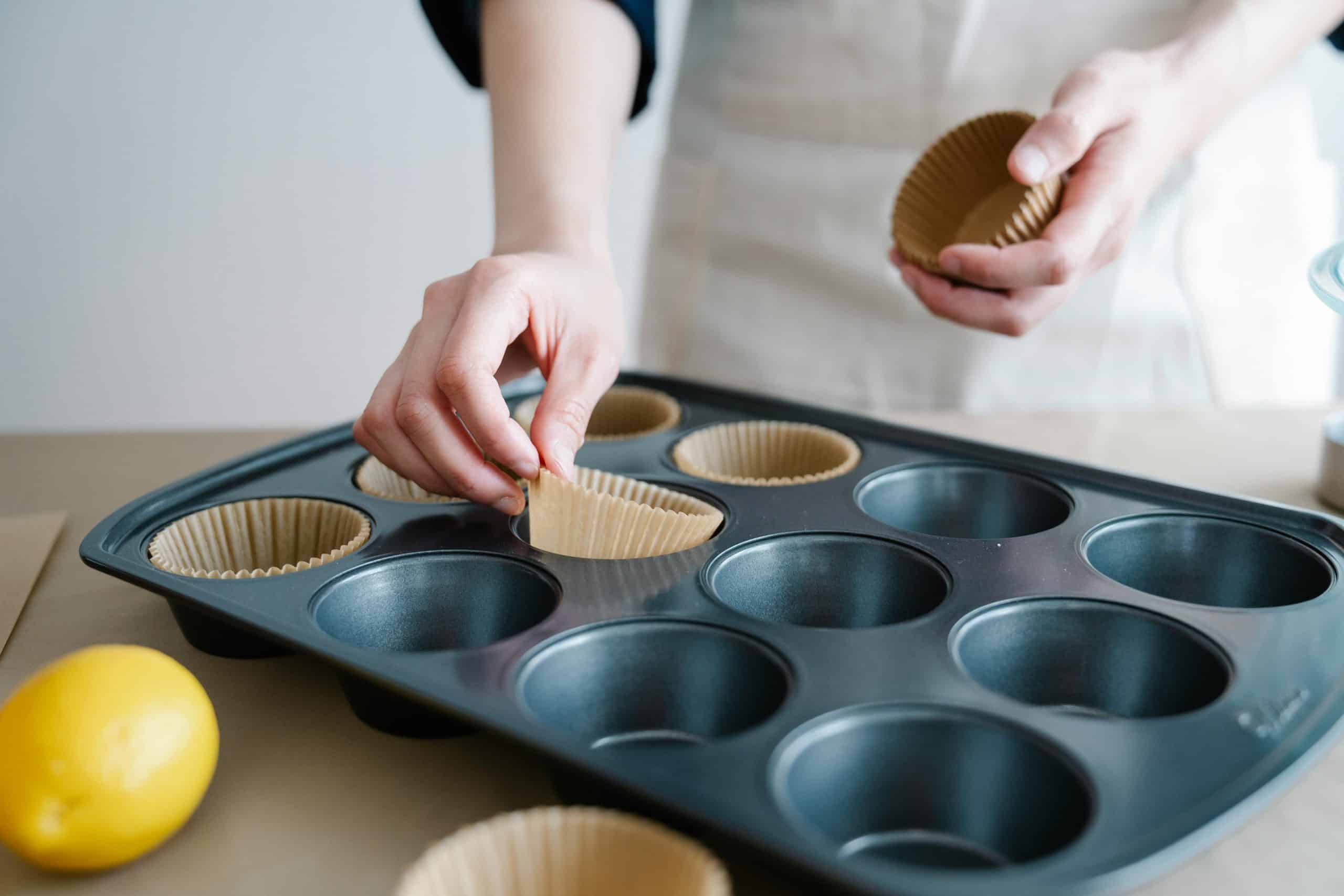
Cake pans come in various materials, including aluminum, steel, and even cast iron. Aluminum cake pans are good for those who do not want to deal with the complications that steel and cast iron pans can present in the kitchen.
Aluminum cake pans are durable and do not rust. The deeper the aluminum pan, the better it works over time.
Among the main features to look for when buying cake pans that feature aluminum is the nonstick properties of the pan.
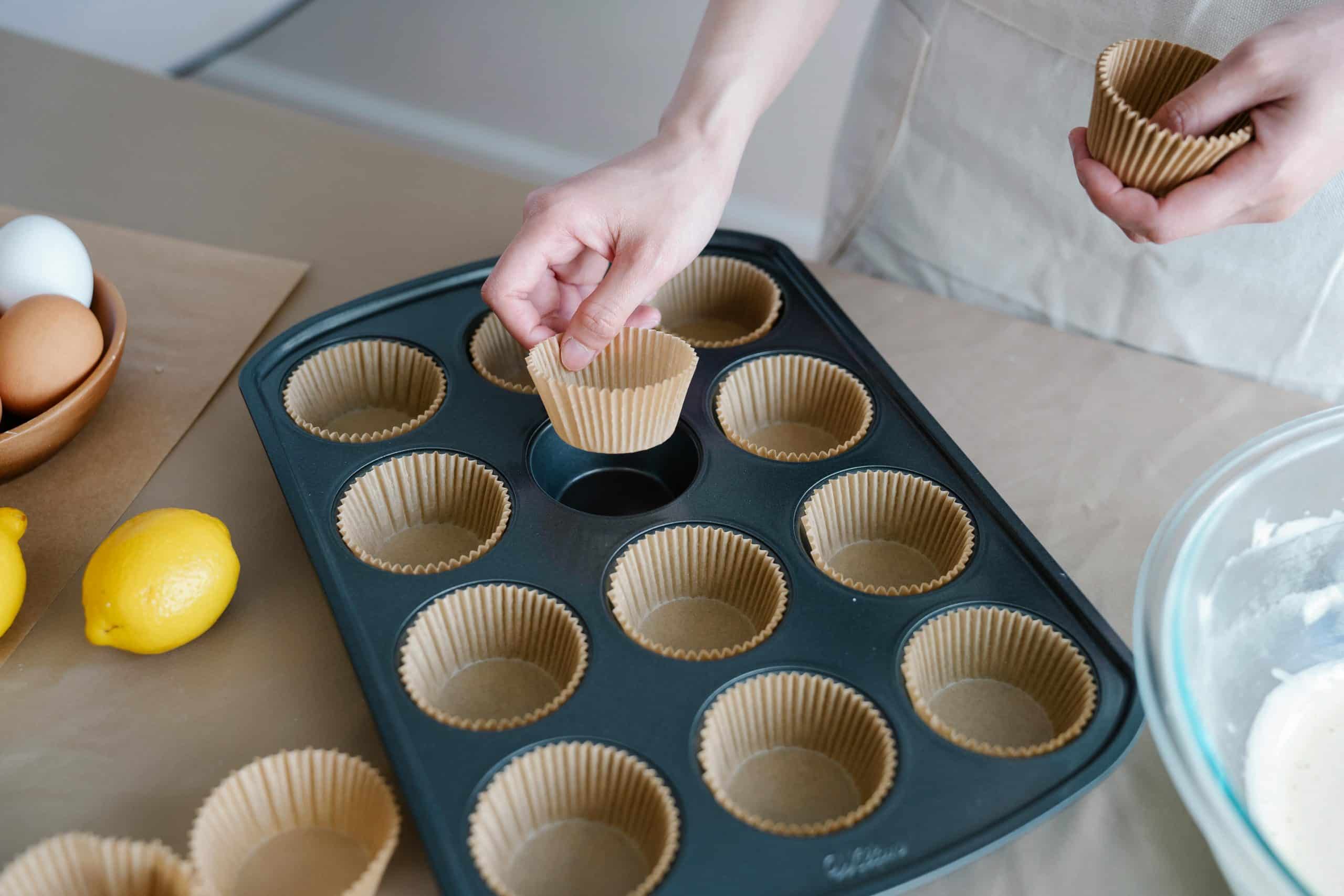
Round cake pans work best for layer cakes and cakes that have a rounded shape when sliced. Square cake pans give even edges to the cakes and make it easier to slice them into even portions. Bundt cake pans work well for cakes that have glazes or decorations that do not need to be frosted in much quantity. The shape of the cake pan should be chosen based on the type of party and how the cake will be served.
A 9×13 cake pan holds approximately 3 quarts of batter and works well with recipes for brownies, lasagna, vanilla sheet cakes, and casseroles. An 8×8 cake pan works best for brownies, cakes, and casseroles that can be served as a side. Muffin pans are used for baking cupcakes, muffins, and small-batch baking projects. Sheet pans work best for baking cookies or other slab desserts.
The size of the cake pan matters more than people often realize. Many cakes will tell you to prepare three 8-inch pans or four 6-inch pans. Most cake recipes will call for cake pans that are approximately two inches deep. Using a deeper pan than the recipe states will result in the center of the cake being undercooked. Using separate, shallower pans will work better for this problem.
A recipe that calls for an 8-inch pan can be best replaced by a 7-inch pan rather than a 10-inch pan. The volume of a pan’s size is based on the radius of the pan. Therefore, a 10-inch pan will have a diameter that is 5 inches; halving this will make it 4 inches for an 8-inch pan. A round cake pan can be replaced with a square cake pan of similar size. A 20 cm round cake pan will hold the same amount of batter as an 18×18 cm square cake pan. A cake pan size conversion chart will help ensure that the recipe’s batter will be compatible with the pan of choice.
Round cake pans come in various styles. Some cakes feature springform pans, which are more fragile than other pans. To remove the cake from a standard cake pan, flip the pan upside down. This will remove the lip that the pan features and make it easier to remove the cake from the pan when it is done baking. Using parchment paper in the pan will make removing the cake easier.
Sheet cakes that are cut into square portions are best for large dinner meals. Round cakes have a limitation in that the triangular slices of cakes will feature thin points that will break when sliced. Additionally, round cakes tend to only be cut when served at the serving table.
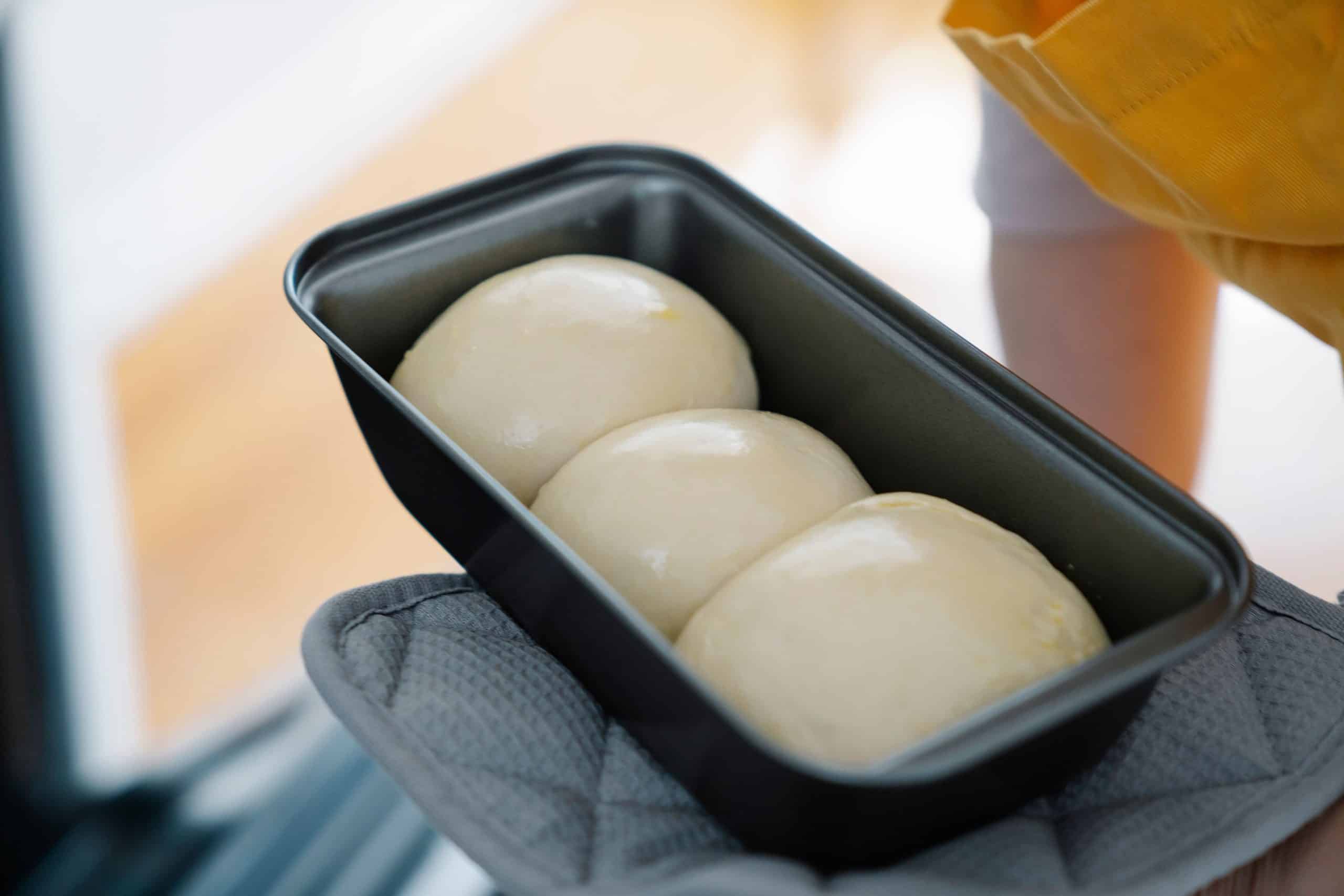
Using butter to grease a cake pan works. However, using a cake pan spray will make it easier. Placing parchment paper on the baking sheet will ensure that cookies do not slide on the sheet. Placing parchment paper in the cake pan will eliminate the need to grease or flour the pan. If the recipe does not call for greasing the cake pan, the cake will stick to the pan. Additionally, the color of the pan will impact the baking process. Dark cake pans will absorb more heat than light-colored pans.