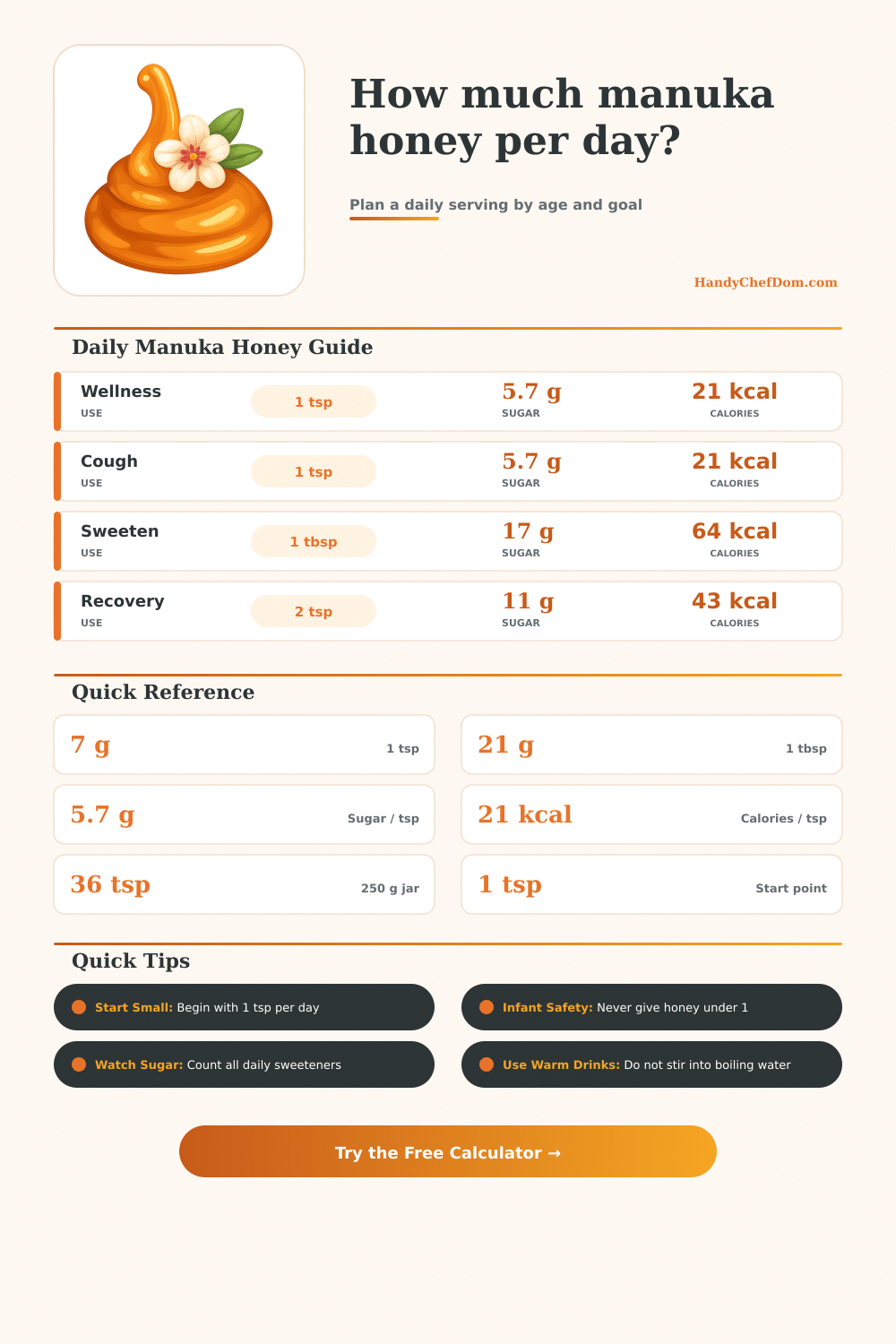
Manuka Honey Per Day Calculator
Plan a daily serving by age, goal, strength, and jar size with sugar and calorie totals
| Portion | Grams | Calories | Sugar |
|---|---|---|---|
| 1 tsp | 7 g | 21 kcal | 5.7 g |
| 2 tsp | 14 g | 43 kcal | 11.5 g |
| 1 tbsp | 21 g | 64 kcal | 17.3 g |
| 2 tbsp | 42 g | 128 kcal | 34.6 g |
| Goal | Typical Use | Cap | Note |
|---|---|---|---|
| Wellness | 1 tsp | 2 tsp | Simple daily spoon |
| Cough soothing | 1 tsp | 2 tsp | Common adult serving |
| Sweetener | 1/2 tbsp | 1 tbsp | Use in warm drinks |
| Recovery | 1 tbsp | 2 tbsp | Keep total sugars in mind |
| Jar Size | Approx tsp | Approx tbsp | At 1 tsp/day |
|---|---|---|---|
| 125 g | 18 tsp | 6 tbsp | 18 days |
| 250 g | 36 tsp | 12 tbsp | 36 days |
| 500 g | 71 tsp | 24 tbsp | 71 days |
| 1 kg | 143 tsp | 48 tbsp | 143 days |
Manuka honey contains high levels of methylglyoxal which is thought to provide health benefit to those who consume it. Because of the high levels of methylglyoxal in Manuka honey, it is different than regular clover honey. However, because Manuka honey is a source of sugar, it is important to determine the correct amount of Manuka honey to consume daily.
Consuming too much Manuka honey will provide too much sugar to the body, but consuming too little will prevent the consumption of its beneficial antibacterial compound. The potency of Manuka honey is measured on the label of the honey products in terms of it’s MGO or UMF rating. The more higher the MGO or UMF rating of the Manuka honey products, the higher concentration of methylglyoxal in the honey.
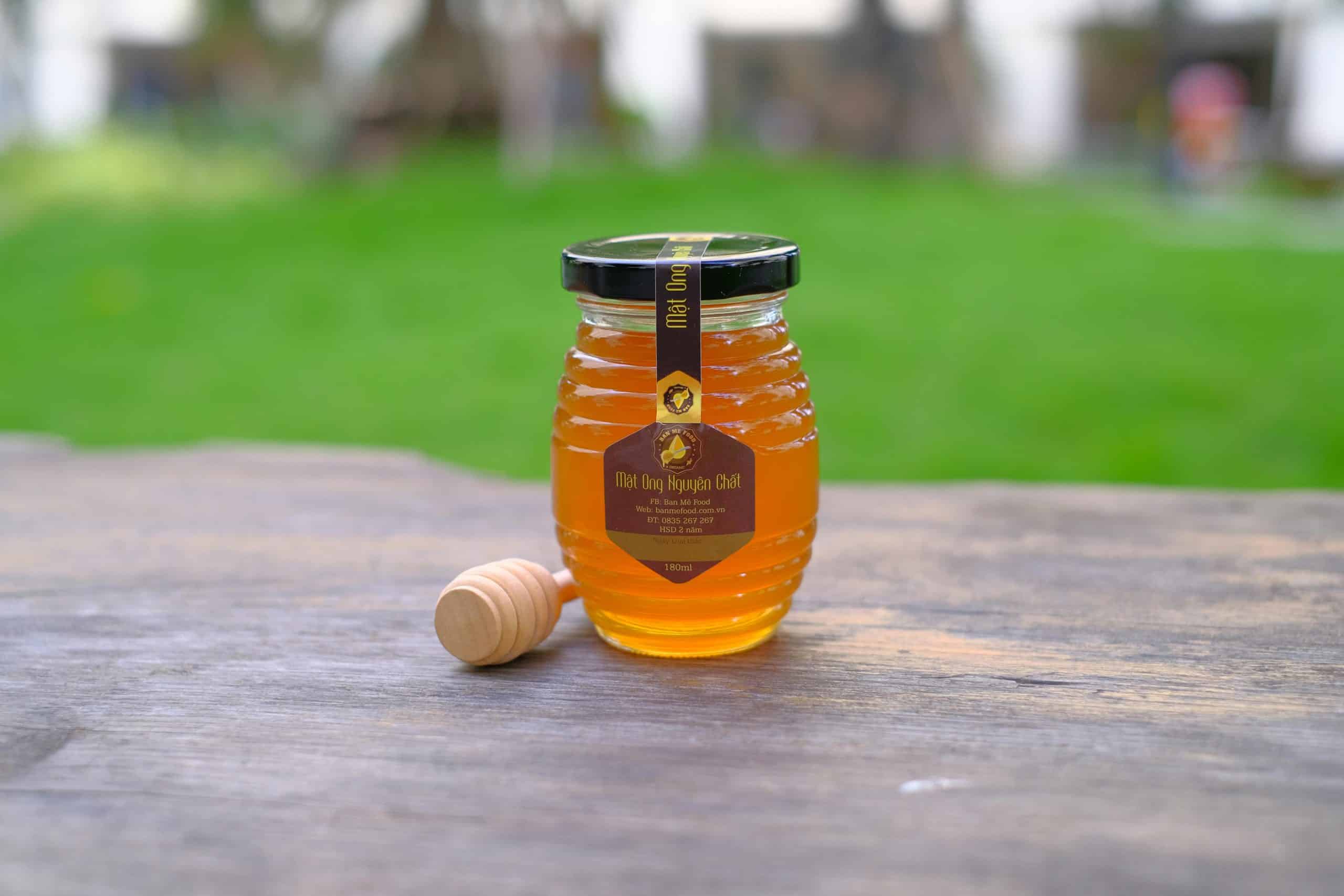
How Much Manuka Honey to Eat Each Day
Many buyers of Manuka honey place great importance upon these ratings, but it is also important to remember that Manuka honey is approximately 80% sugar. Thus, it is necessary to find a balance between these two factor when purchasing Manuka honey products. The amount of Manuka honey that individuals should consume daily will vary according to the age of the individuals that consumes the honey.
For instance, children should consume less Manuka honey than adults. This is due to the smaller body of children as well as the potential of those children to experience digestive issue if they consume too much sugar. Teenagers may consume more Manuka honey than children but less than adults like athletes.
Athletes may consume more Manuka honey than teenagers due to the need for quick energy as well as the anti inflammatory properties of the honey. The elderly may consume less Manuka honey than other age groups to ensure that there system easily digests it. The purpose for which Manuka honey is consumed will also impact the amount of Manuka honey that should be consumed.
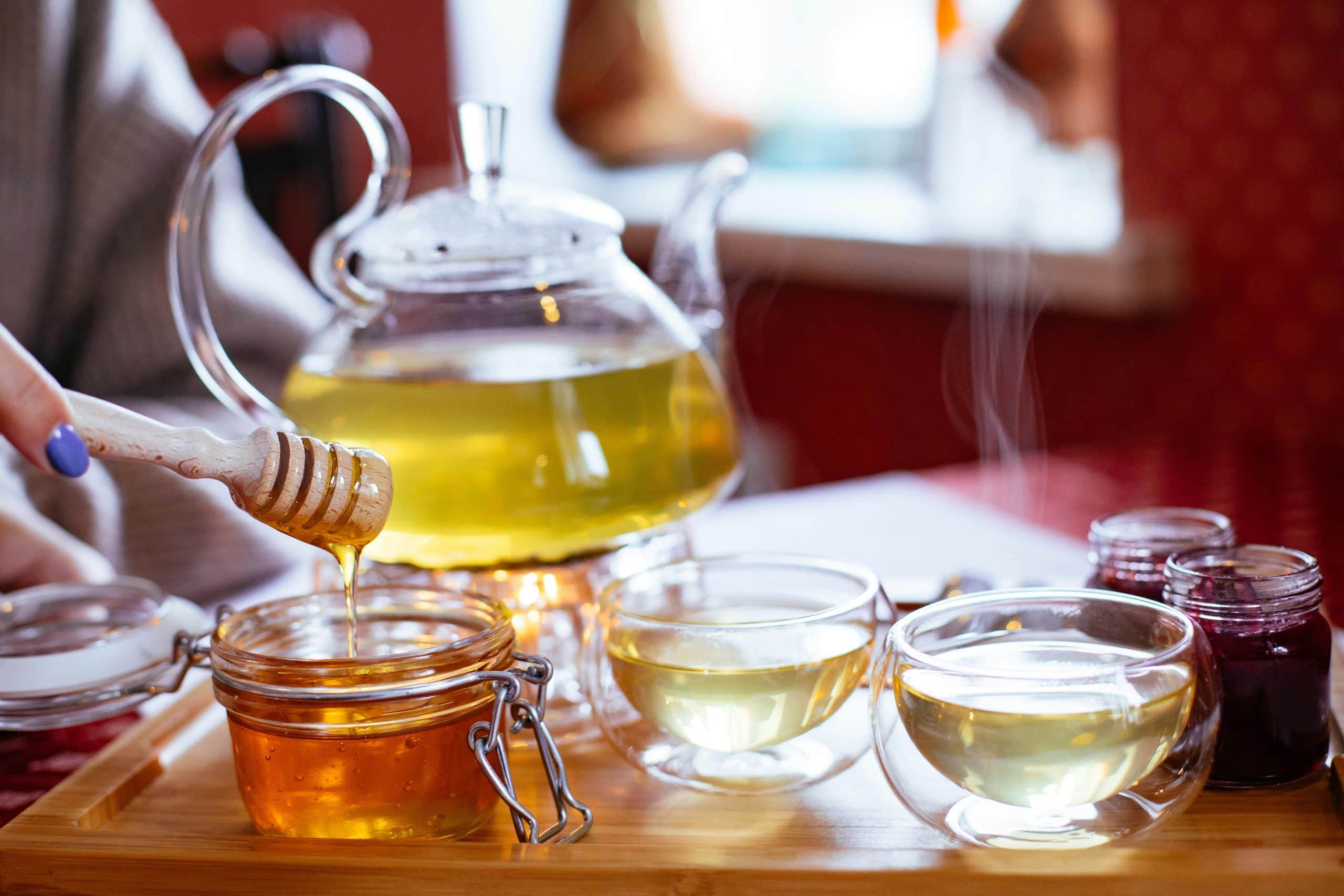
For example, if someone consume Manuka honey for general wellness or to soothe a cough, only a modest amount of honey should be consumed. If honey is consumed to sweeten tea, only a small amount should be consumed as the warmth of the tea will help the honey to dissolve. However, if honey is consumed as a means of aiding in muscle recovery post exercise, a larger amount of Manuka honey should be consumed as it contains carbohydrate that can provide energy.
In addition to the purpose for which Manuka honey will be consumed, it is also important to consider the total amount of sugar that the individual consumes daily. One teaspoon of Manuka honey contains 5.7 grams of sugar and 21 calorie. Thus, if an individual consumes a significant amount of sugar from other food daily, they will need to reduce their consumption of Manuka honey to stay within there daily sugar goal.
Keeping track of Manuka honey consumption will help the individual to stay within their goals for calories and sugar intake. The temperature at which Manuka honey is consumed can impact its antibacterial property. Manuka honey should not be added to boiling water as the boiling water can destroy the antibacterial compounds that are beneficial to the honey.
Instead, Manuka honey should be added to warm or room temperature liquid to ensure the potency of its antibacterial compounds. Individuals that are new to consuming Manuka honey should start with a small amount of the honey. For instance, half a teaspoon of honey can be a good starting point for the body to become accustomed to the honey.
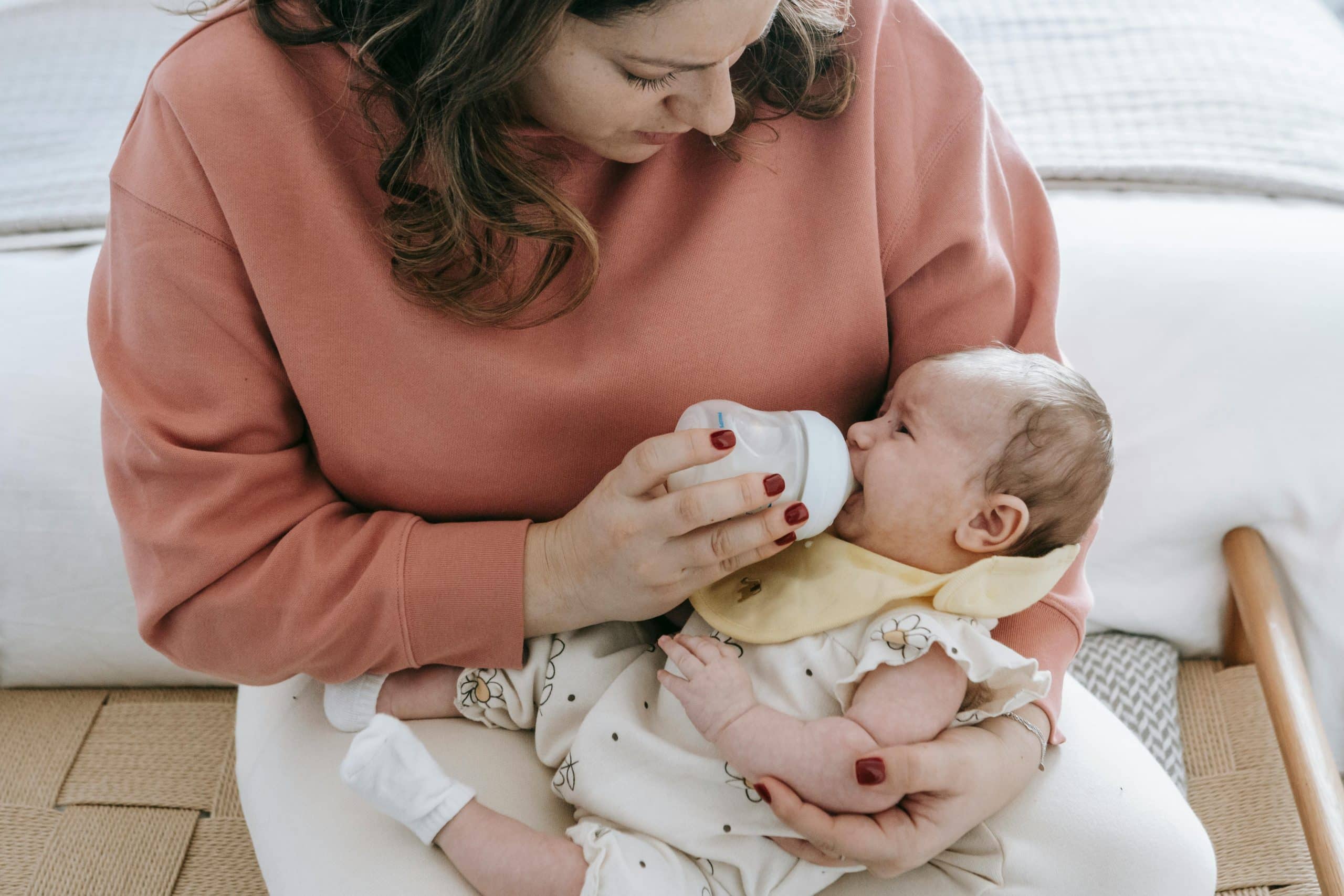
Consuming a consistent amount of Manuka honey daily is better than consuming large amount of the honey infrequently. Finally, it is important to note that Manuka honey should never be given to infants that are under one year of age. Honey products can contain bacteria that can cause botulism, which is dangerous for an infant.
Additionally, it is always important to be aware of any potential allergy to Manuka honey. If in doubt as to whether an individual is allergic to Manuka honey, it is recommended to test a very small amount of honey first.