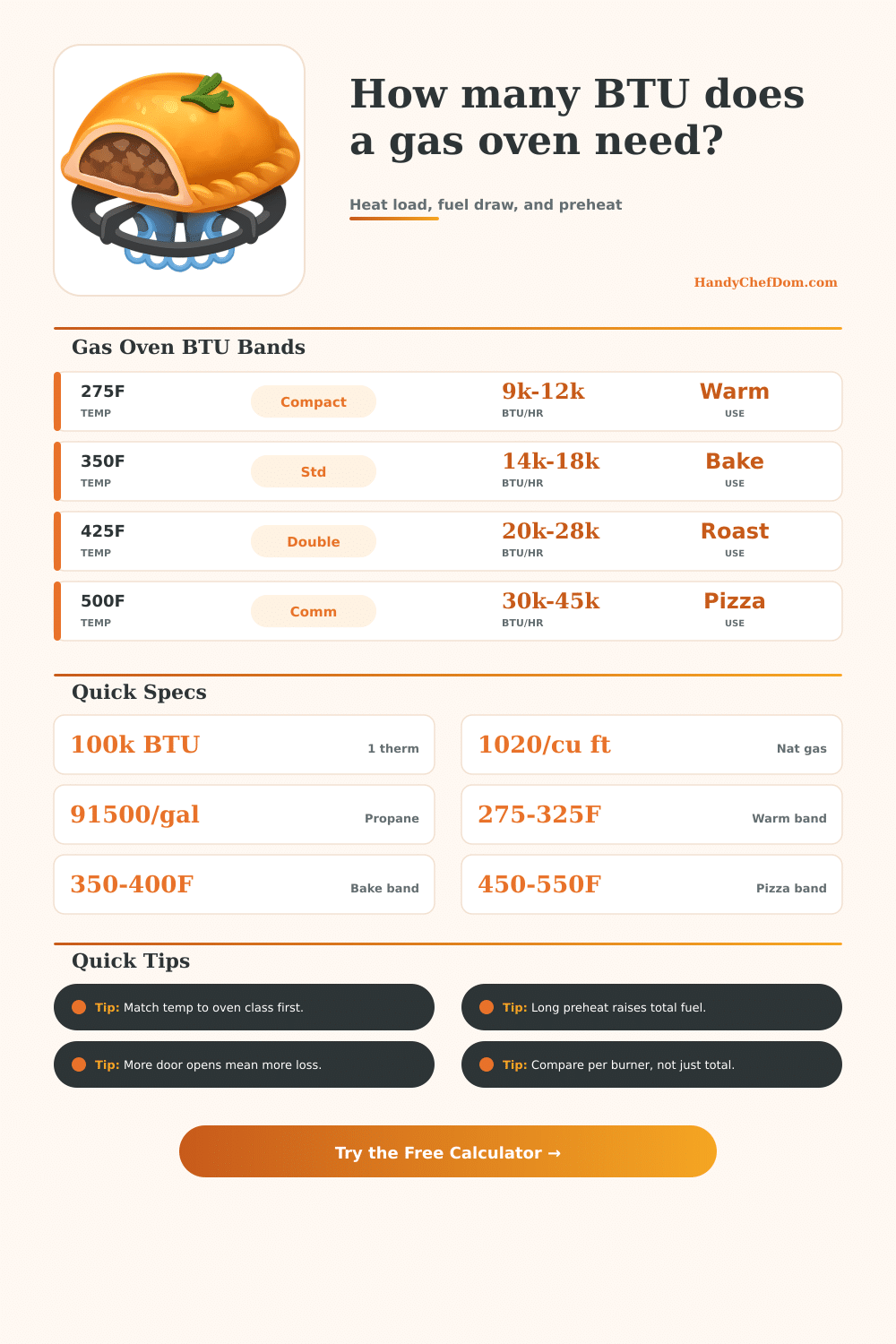
Gas Oven BTU Calculator
Estimate gas oven heat load, fuel use, and preheat draw with oven size, temperature, and efficiency in one clean view.
Choose the oven class first, then tune the mode, temp, and runtime. The calculator estimates burner demand, cavity heat, and gas draw for planning and comparison.
| Oven | Cavity | BTU/hr | Best use |
|---|---|---|---|
| Compact | 1.5-2.4 cu ft | 8k-12k | Warm |
| Standard | 3.5-5.0 cu ft | 12k-20k | Bake |
| Double | 6.0-8.0 cu ft | 18k-28k | Tray load |
| Commercial | 9.0-12 cu ft | 28k-45k | Fast service |
| Temp | Load | BTU/hr | Use |
|---|---|---|---|
| 275-325F | Light | 9k-14k | Proof |
| 325-375F | Mid | 14k-20k | Bake |
| 375-425F | Hot | 18k-28k | Roast |
| 450-550F | High | 25k-45k | Pizza |
| Fuel | Unit | BTU/unit | Note |
|---|---|---|---|
| Natural gas | cu ft | 1020 | Home line |
| Propane | gal | 91500 | Tank fuel |
| Biogas | cu ft | 600 | Blend use |
| Therm | 100 cu ft | 100000 | Billing ref |
| Burners | Typical total | Per burner | Use |
|---|---|---|---|
| 1 | 12k-18k | 12k-18k | Small cavity |
| 2 | 18k-28k | 9k-14k | Standard oven |
| 3 | 24k-36k | 8k-12k | Dual zone |
| 4+ | 30k-45k | 7k-12k | Big load |
Use the output as a planning guide. Real appliance behavior can vary with insulation, installation, and how often the door opens during service.
This information discusses the meaning of BTU, which stands for British Thermal Unit. A British Thermal Unit is a measurement of the amount of heat energy that an oven pulls from a fuel source to cook the food in the oven. The size and the temperature settings of the oven determine the amount of British Thermal Units (BTUs) that an oven use to reach a target temperature.
Using the wrong amount of BTUs for the oven will waste fuel and result in improper cooking of the foods in the oven. The size of the oven cavity impacts the number of BTUs that an oven require to cook the foods in the cavity. This is because the larger the size of the oven cavity, the more air that must be heated.
What BTU Means for Your Oven
A standard five cubic foot oven requires 18,000 BTUs to reach a cooking temperature of 350 degrees. However, if the oven is set to cook the foods to a higher temperature, such as 500 degrees, the oven will require more BTUs to reach that more higher cooking temperature. When heat escapes from the oven, such as when the oven door is opened, the oven will need to use more BTUs to reach its target cooking temperature.
The size of the oven impacts the amount of fuel that an oven use. This is because a compact oven cavity will require less fuel to heat the air in the oven than a large oven. For example, a compact oven with a capacity of two cubic feet will require less fuel than a large double oven.
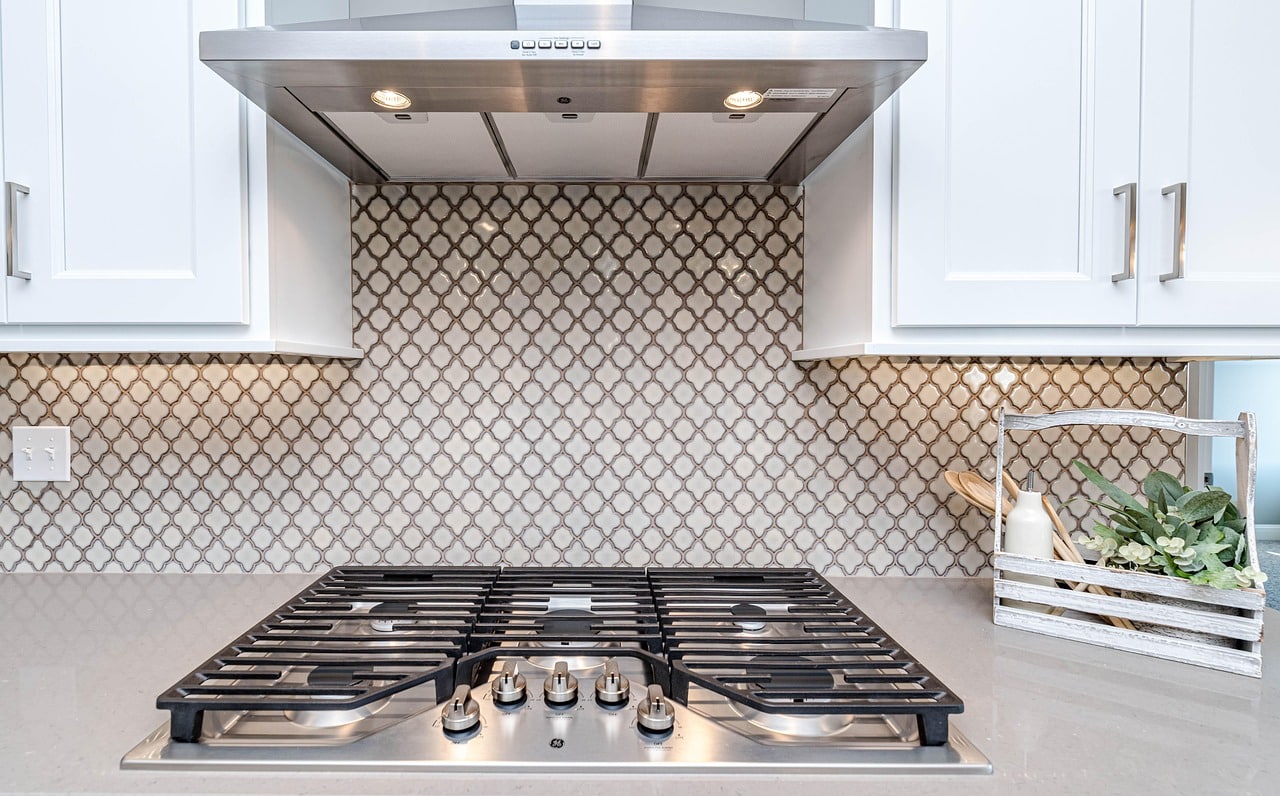
The size of the oven also relates to the mode in which the oven will cook the foods. For example, roasting foods will require more BTUs than proofing dough at a lower temperature. Older ranges and stoves may not be as efficient as newer ranges.
For example, older stoves may only be 70% efficient at transmitting the heat from the fuel to the cooking pot, thus losing 30% of the fuel as waste heat. Newer stoves may be 85% efficient, thus losing only 15% of the fuel as waste heat. The fuel source also have an impact on the BTU calculations for an oven.
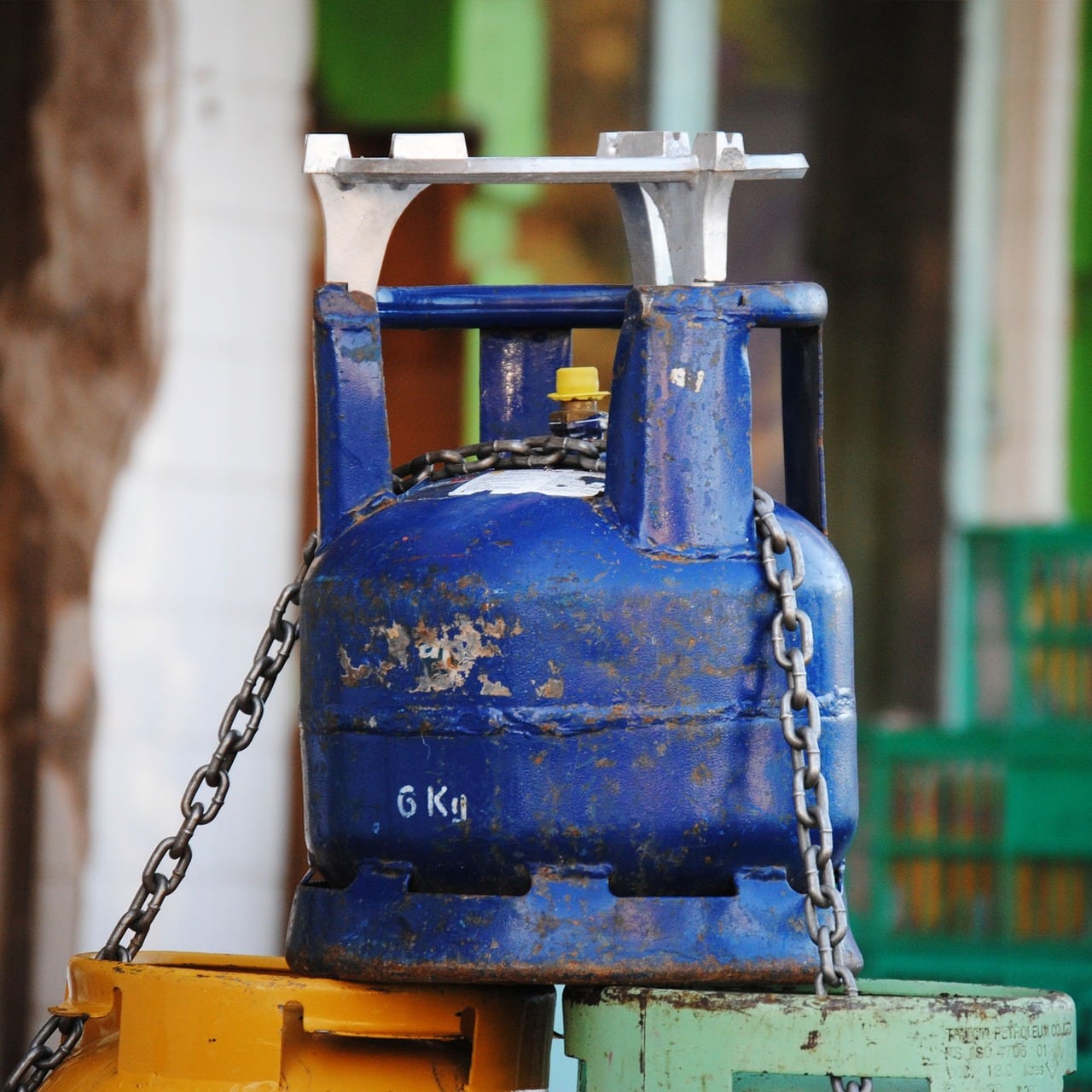
Natural gas contains 1,020 BTUs per cubic foot of gas and is a steady and inexpensive fuel source for homes. Propane contains 91,500 BTUs per gallon of propane and burns at a higher heat level per unit of volume than natural gas. Altitude also affects the oven because at higher altitudes, the air is thinner so the burners has to work harder to reach the target temperature.
Additionally, the settings for the vents impact the amount of moisture that can escape out of the roasts, but high settings for the vents will also allow heat to escape from the oven. A person can manage the use of British Thermal Units by adjusting the cooking habits within the oven. For instance, if a person limits the number of times that they open the oven door, they will use fewer British Thermal Units.
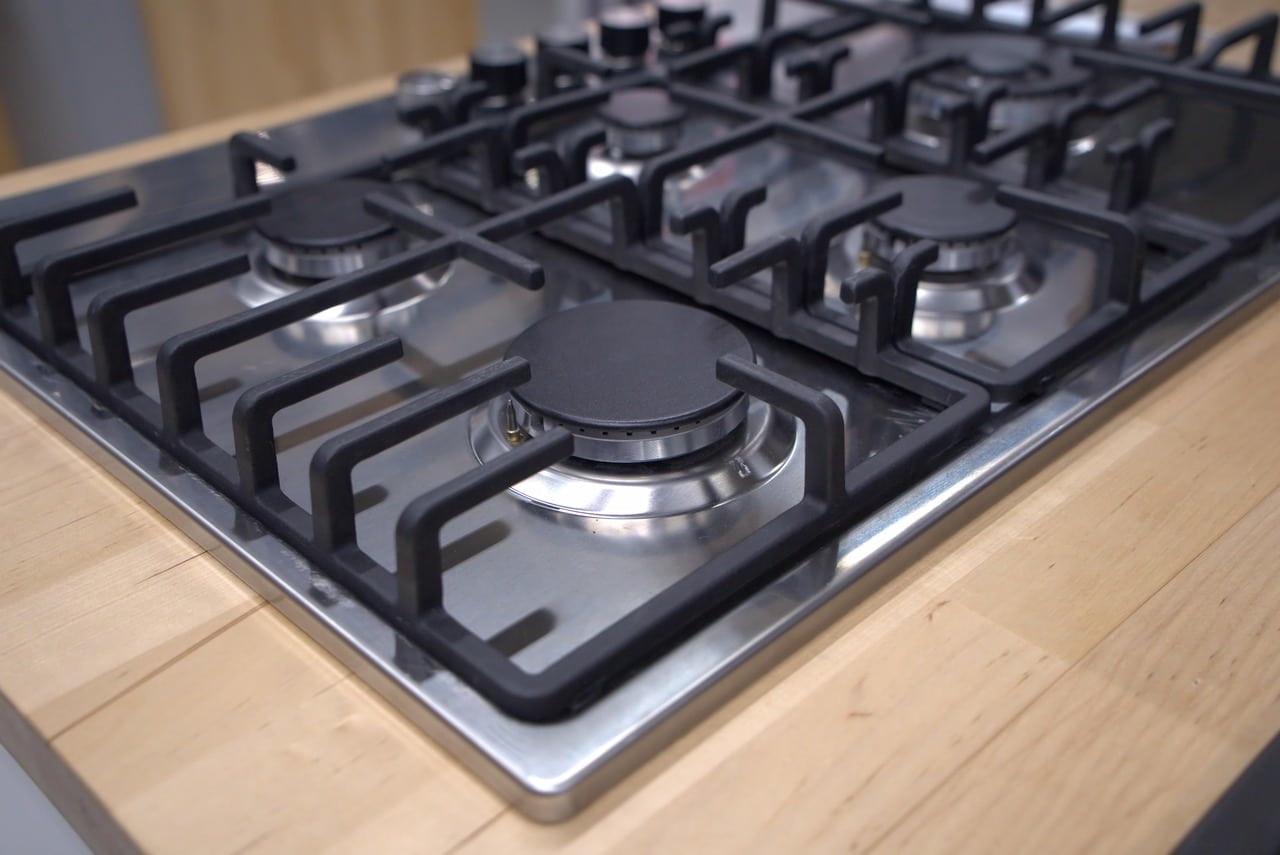
Additionally, if an oven has multiple burners instead of a single burner for the oven, it will be able to better manage the load of British Thermal Units that it has to produce. Using two burners that each create 10,000 British Thermal Units, for instance, may allow the oven to better perform than utilizing one burner with a very high output of British Thermal Units. Providing enough British Thermal Units to meet the demands of the oven will ensure that the flames from the burners do not become weak during the cooking process.
There are several common mistakes that a person can make when using an oven. For instance, one of the most common mistakes is to ignore the preheat cycle for the oven; ignoring this cycle can result in a loss of 20 percent of the fuel that is used during the cooking process. A second of the most common mistakes is to focus exclusively upon the total British Thermal Units that is required to cook the food without considering the breakdown of the British Thermal Units that each burner within the oven can emit.
Placing too many British Thermal Units into one burner, for instance, can create hot spots within the oven. Lastly, individuals may also make a mistake by ignoring the settings for the vents of the oven; using high settings for the vents will allow the roasts to release moisture but will also allow the oven to lose heat. The physical characteristics of the oven can also impact the way in which the oven utilize British Thermal Units.
For instance, the thickness of the insulation for the oven will allow it to hold heat more effectively if it is thicker. Additionally, the leveling of the oven will impact the evenness of the heat that is distributed from the oven; if the oven is not level, the food that is placed within the oven may cook unevenly. The amount of food that is placed within the oven will also impact the amount of British Thermal Units that is required to heat the food; more food will require more heat than fewer cookie sheets with no food on them.
Finally, the cost of the fuel for the oven is related to the amount of British Thermal Units that the oven creates; one therm is equal to approximately 100,000 British Thermal Units. Additionally, knowing the amount of British Thermal Units that an oven can create allows individuals to purchase an oven that is not undersized yet not oversized for their kitchens.