🌿 Fresh to Dried Herb Converter
Convert fresh herbs to dried and back — with herb-specific ratios and substitution guidance
| Herb | Ratio | 1 tbsp Fresh = | 1/4 cup Fresh = | 1 tsp Dried = | Intensity |
|---|---|---|---|---|---|
| Basil | 3:1 | 1 tsp dried | 4 tsp dried | 1 tbsp fresh | Medium |
| Rosemary | 3:1 | 1 tsp dried | 4 tsp dried | 1 tbsp fresh | Strong |
| Thyme | 3:1 | 1 tsp dried | 4 tsp dried | 1 tbsp fresh | Strong |
| Oregano | 3:1 | 1 tsp dried | 4 tsp dried | 1 tbsp fresh | Strong |
| Parsley | 2:1 | 1.5 tsp dried | 6 tsp dried | 2 tsp fresh | Mild |
| Dill | 3:1 | 1 tsp dried | 4 tsp dried | 1 tbsp fresh | Medium |
| Tarragon | 3:1 | 1 tsp dried | 4 tsp dried | 1 tbsp fresh | Medium |
| Sage | 2:1 | 1.5 tsp dried | 6 tsp dried | 2 tsp fresh | Very Strong |
| Herb | Ratio | Best Form | Add When | Flavor Profile |
|---|---|---|---|---|
| Basil | 3:1 | Fresh | End of cooking | Sweet, peppery, anise |
| Rosemary | 3:1 | Either | Early (long cook) | Pine, earthy, resinous |
| Thyme | 3:1 | Either | Early (long cook) | Earthy, subtle, floral |
| Oregano | 3:1 | Dried | Early (sauces) | Robust, slightly bitter |
| Parsley | 2:1 | Fresh | End of cooking | Bright, grassy, clean |
| Dill | 3:1 | Fresh | End of cooking | Grassy, tangy, fresh |
| Tarragon | 3:1 | Fresh | End of cooking | Anise, licorice, delicate |
| Sage | 2:1 | Either | Early or mid cook | Earthy, savory, musty |
herb plants have soft stems instead of wooden. They commonly have separate smell or scent. The definition of herb describes it as a tiny plant that bears seeds and lacks wooden stem.
Upper parts of ground die at the end of every growing season. Normal use of the word herb means perennial species, although it also covers annual and biennial types. The most ancient known usage of that term comes from the medieval English era of 1150 until 1500.
Herb Plants: What They Are and How to Use Them
herb plants serve for many purposes. From them one prepares foods, remedies and perfumes. Since early times folks grow herb species because of their healthy and delicious features.
Farming of herb plants inside home helps to bring greens in the area and enrich everyday meals. Most many of those plants grow fine indoors, requiring only a bit of space and effort. Even so, outside weather seriously afefcts the growth of the herb plants.
Between the most used cooking herb plants find themselves basil, parsley, thyme, rosemary, dill, mint and oregano. Also chives, sage, tarragon, coriander and lavender enjoy big popularity. Best strategy consists in farming of those herb plants that one most commonly uses.
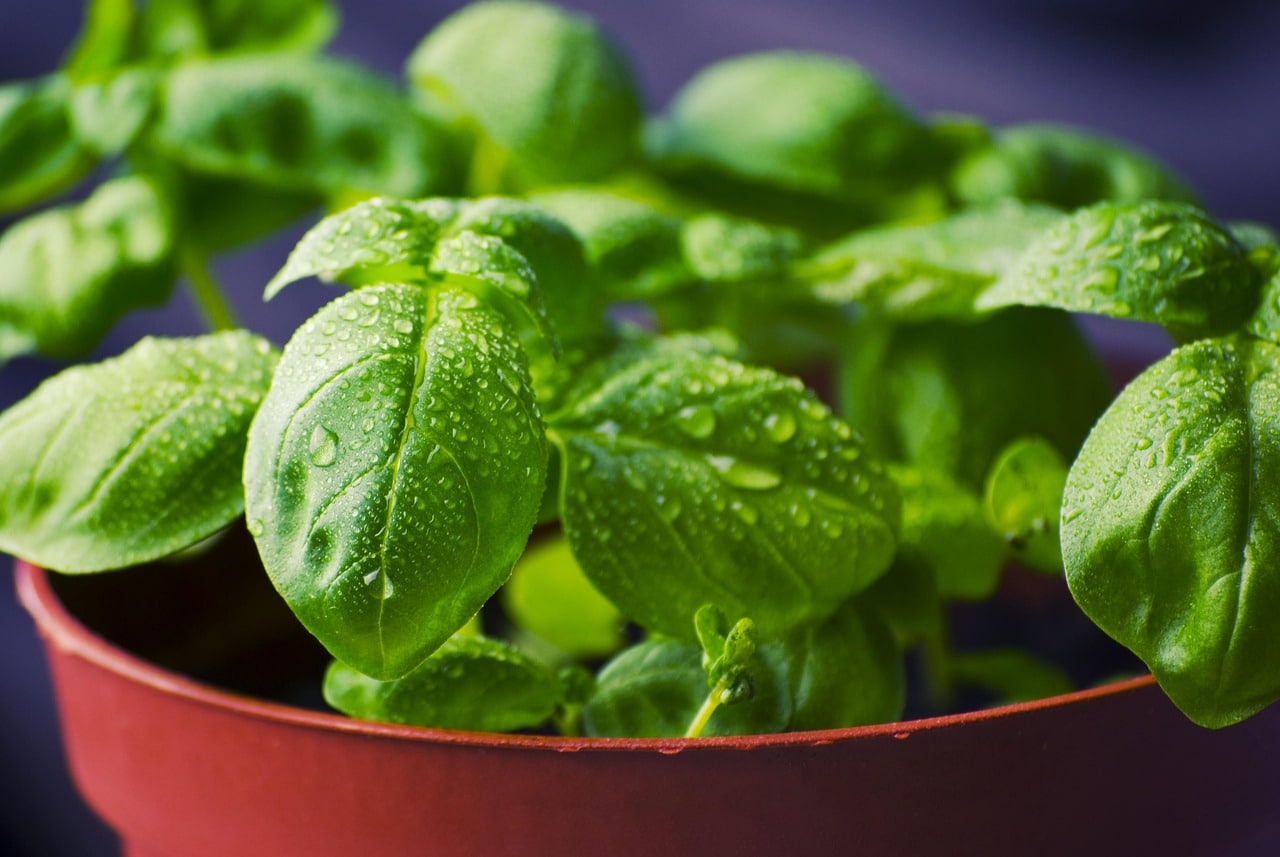
Leaves of basil from the store quickly fade fast, if one does not lay them in water. Even hear they stay fresh only some days until a week. Making of pesto remains one of the most useful ways to use fresh herb plants before they spoil.
Parsley belongs to biennial plants, so it lives during two years before flowering and dying. Chervil is a similar biennial species. Coriander should be biennial, but in warm regions like Florida it grows and ends after only some months.
Mint does not mix with other plants, so it requires its own place.
For fresh against dried herb plants counts this regular advice: triple the use of fresh over dried. Between herb plants and spices happen clear differences about strength. Instead of precise measuring, more practical is to chop small amounts and later add to taste as needed.
For a bunch of fresh herb plants usually one until two units will do.
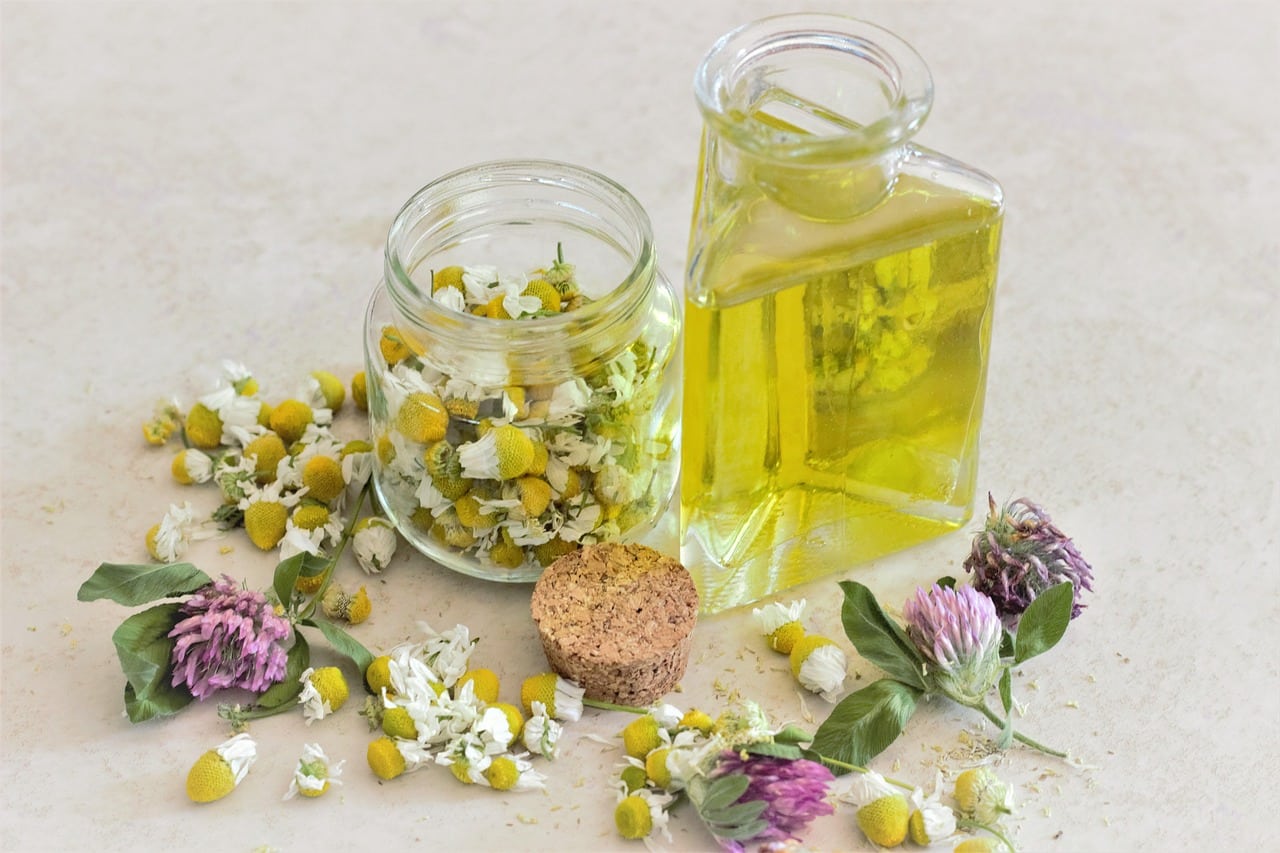
Do not dump leftover herb stems. One can lay them in a glass with oil to create herb oil. Adding things like stems of parsley, basil, thyme, chives and cloves of garlic, one gets delicious flavored oil.
Fresh herb plants work for adding in soups, sauces and bread. Rosemary bitter bread and herb flatbread rank between favourite recipes. Mixed herb plants like those of Provence, carrying basil, thyme, lavender and fennel, wellwork for baking and cooking alike.